You walk into a store. You see a dress you like. You check the tag: XS, S, M, L, XL. That’s it. You’re a size 18. The store doesn’t carry your size. You walk out.
This happens millions of times every day. And it’s not about “trends” or “body positivity marketing.” It’s about a basic mismatch between what the fashion industry sells and who actually buys clothes.
The Data Gap: What Sizes Do Real Women Actually Wear?
The average American woman wears a size 16-18. That’s not a fringe statistic. According to the International Journal of Fashion Design, Technology and Education, 67% of women in the US wear a size 14 or larger. Yet most mainstream brands cap their straight-size ranges at size 12 or 14.
Here is where the disconnect shows up in dollars:
| Size Range | % of US Women | % of Brands Offering |
|---|---|---|
| 0-4 (XXS-XS) | 6% | 95% |
| 6-10 (S-M) | 18% | 90% |
| 12-14 (L-XL) | 23% | 65% |
| 16-18 (1X-2X) | 29% | 35% |
| 20+ (3X-5X) | 24% | 15% |
That third column is the problem. Nearly a third of women wear size 16-18, but only a third of brands make clothes for them. This isn’t a niche market. It’s the majority.
Nike expanded its plus-size activewear line in 2026 after realizing they were leaving money on the table. Old Navy launched their BODEQUALITY line offering every style in sizes 0-30. These moves weren’t charity. They were market corrections.
Why “Vanity Sizing” and “Curve” Lines Are Not Solutions
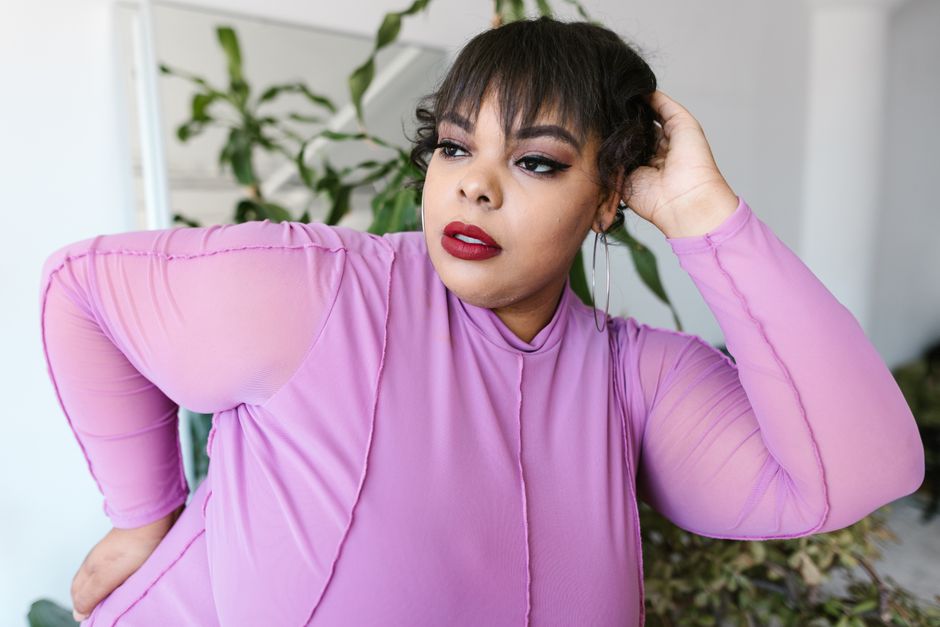
Many brands think they’ve solved inclusive sizing by slapping an “XL” on a pattern that was designed for a size 8. That’s not inclusion. That’s a bandage.
Vanity Sizing: The Numbers Game
A size 12 in one brand fits like a size 16 in another. This is called vanity sizing — brands shrink the numbers so customers feel thinner. It’s deceptive and it makes shopping impossible without trying everything on. A woman who wears a size 16 at Lane Bryant might need a size 22 at Zara. That’s not inclusive. That’s chaos.
The “Curve” Line Trap
Some brands offer a separate “Curve” or “Plus” line. Sounds good, right? Look closer. These lines often use different fabrics, fewer color options, and cheaper construction. Madewell launched a plus-size denim line that only offered three washes in extended sizes, while straight sizes had twelve. That tells customers: “We’ll take your money, but we won’t give you choices.”
The better approach? Full integration. Universal Standard offers every style in sizes 00-40 with no separate section. Same fabric. Same colors. Same price. That’s real inclusion.
How Grading Systems Fail Larger Bodies
This is the technical problem most shoppers never see. Garment grading is the math that scales a size 6 pattern up to a size 16. Most brands use a standard grading rule: add 1 inch at the bust, 1 inch at the waist, and 1.5 inches at the hip for each size increment.
That works fine from size 0 to size 12. After that, bodies don’t scale proportionally. A woman who wears a size 20 doesn’t have the same proportions as a size 8 scaled up. She likely carries more weight in her midsection, upper arms, and thighs. Standard grading creates clothes that are tight in the belly and loose in the shoulders.
Everlane tried extending their standard denim to size 35 waist and got complaints that the fit was terrible. They hadn’t adjusted the grading. Reformation redesigned their entire grading system for extended sizes, adding extra room in the hip and thigh without changing the waist. Their extended-size sell-through rate jumped 40%.
The fix is not simple. It requires new block patterns, new fit models, and more sampling. But the brands that do it right — ASOS with their ASOS Curve line, Torrid with dedicated fit specialists — see repeat customers. The brands that half-ass it get returns and bad reviews.
The Cost of Exclusion: What Brands Lose by Ignoring Plus Sizes
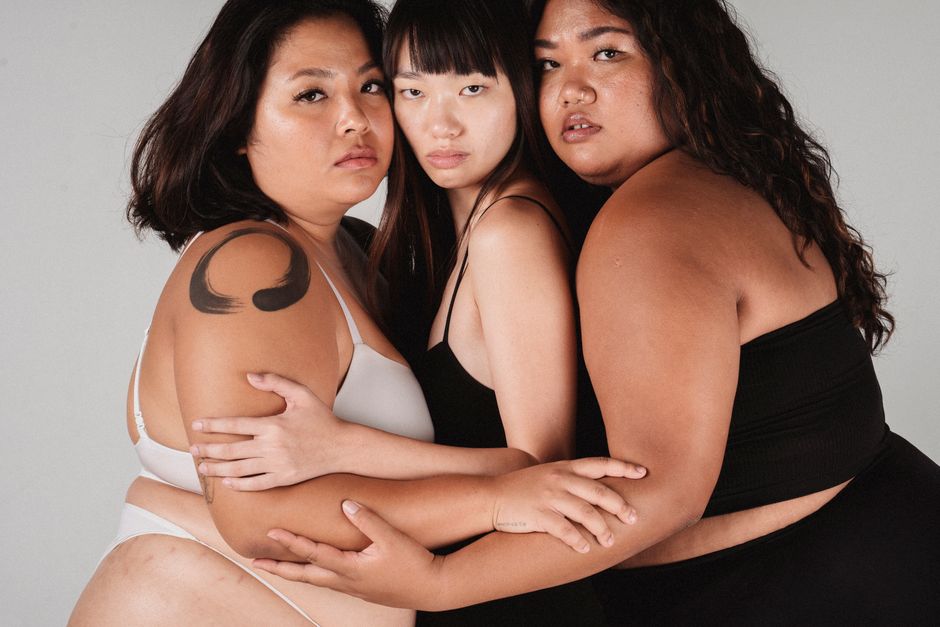
The plus-size apparel market is worth $24 billion in the US alone. It’s growing faster than straight-size apparel. Yet many brands treat it as an afterthought.
Here is what happens when a brand excludes larger sizes:
- Lost revenue. A NPD Group report found that plus-size shoppers spend 20% more per year on clothing than straight-size shoppers, because they have fewer options and buy more when they find something that fits.
- Negative brand reputation. When Anthropologie only carried sizes up to XL in their main line, customers organized social media campaigns calling them out. They expanded to 3X in 2026.
- Higher return rates. Aerie found that return rates on extended sizes were 15% lower than straight sizes when the fit was right. When fit was wrong? Returns hit 35%.
- Alienation of future customers. Gen Z is the most body-diverse generation yet. 73% of Gen Z women say they prefer brands that show diverse body types in ads. Ignoring this demographic is a long-term mistake.
The math is straightforward. If 67% of women wear size 14+, and your brand only carries up to size 12, you are excluding two out of three potential customers. No marketing campaign can fix that.
When Inclusive Sizing Is a Marketing Stunt vs. Real Change
Not all inclusive sizing is created equal. Some brands use it as a PR move. Others build it into their business model. Here is how to tell the difference.
Real inclusive sizing: A brand like Universal Standard that offers every single style in sizes 00-40. They use the same model for photos across all sizes. Their fit models range from size 6 to size 26. They offer a free fit guarantee — if you gain or lose weight within a year, they’ll exchange your clothes for free.
Marketing stunt inclusive sizing: A brand that launches a “plus-size capsule collection” of 5 pieces, photographs them on a size 6 model, and then quietly discontinues the line when it doesn’t sell. H&M did this repeatedly until they finally committed to a permanent extended-size range in 2026.
Here are the red flags:
- Only offering extended sizes online, not in stores
- Charging more for plus sizes (some brands add $10-20 for “extra fabric” — fabric costs less than $2 per garment)
- Using the same photos for straight and plus sizes (a size 6 model does not represent how a size 20 looks in the same dress)
- No size-inclusive fit models on staff
If a brand can’t answer the question “What size do your fit models wear?” with a number above 14, they are not serious about inclusion.
The brands doing it right — Universal Standard, Torrid, Aerie, Old Navy with BODEQUALITY — treat extended sizing as a core part of their business, not a special project. They have dedicated design teams. They test fits on real bodies. They don’t charge more for a size 20 than a size 6.
That is what inclusive sizing actually looks like. Not a trend. A business model that matches the real world.