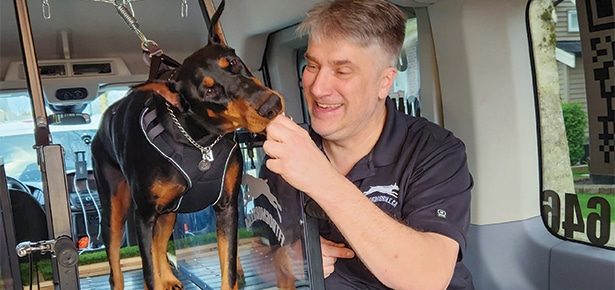
Many dog owners believe a daily walk is enough. It is not always. While essential, walking alone often falls short of meeting a dog’s full exercise requirements. This is especially true for high-energy breeds, dogs in urban environments, or those facing mobility challenges. Limited outdoor space, unpredictable weather, and aging can make consistent, adequate physical activity difficult.
The solution isn’t necessarily more hours at the park. It’s about targeted, efficient fitness. We need smarter ways to keep our dogs healthy and engaged. This is where the concept of a mobile gym for dogs comes into play, offering controlled, effective exercise within the comfort of your home.
The Myth of “Enough” Exercise for Dogs
Relying solely on casual walks for your dog’s fitness is a common mistake. It leaves many dogs undersatisfied and under-conditioned. A leisurely stroll around the block provides mental stimulation from new smells, but it rarely elevates heart rate sufficiently or engages major muscle groups in a sustained way. Dogs need varied activity.
Think about it: a human wouldn’t consider a slow walk to the mailbox their primary workout. Our dogs, depending on their breed and age, require much more. They need opportunities to run, jump, and engage in sustained cardio to maintain optimal weight, build strong muscles, and improve their cardiovascular health.
Beyond Daily Walks: Why More is Needed
A dog’s physical needs are complex. They involve cardiovascular endurance, muscular strength, flexibility, and balance. Traditional walks often address only a fraction of these. For example, a dog consistently walks on flat, even pavement. This doesn’t challenge their proprioception or build the stabilizer muscles needed for agility. Lack of varied movement can lead to stiffness, poor joint health, and a higher risk of injury as they age. Dogs also benefit greatly from mental engagement during exercise, which structured training can provide.
Furthermore, weather extremes—scorching summers or freezing winters—can severely limit outdoor exercise. This forces a compromise on your dog’s activity level, often for weeks or even months. An indoor solution guarantees consistency, regardless of external conditions.
Breeds and Their Specific Energy Demands
Energy requirements vary wildly between breeds. A Chihuahua’s needs are distinct from a Border Collie’s. Retrievers, Collies, Huskies, and Shepherds typically demand intense, sustained activity. A 30-minute walk simply won’t cut it. These breeds might need hours of vigorous play or structured exercise daily to prevent boredom, destructive behaviors, and weight gain. Even smaller, brachycephalic breeds like Pugs and Bulldogs, while unable to handle extreme exertion, benefit from consistent, low-impact cardio that is often safer indoors where temperatures are controlled. Understanding your dog’s breed-specific needs is the first step toward tailoring an effective fitness plan.
Identifying Your Dog’s Exercise Deficit
It’s critical to recognize if your dog isn’t getting enough activity. Overweight pets, joint problems, and behavioral issues often stem from insufficient exercise. These problems are preventable with a proper fitness regimen.
A dog that is adequately exercised is generally calmer, more cooperative, and exhibits fewer behavioral problems. They sleep better and have a stronger immune system.
Common Signs of Underexercise
- Destructive Behavior: Chewing furniture, digging, or excessive barking often indicates boredom and pent-up energy.
- Weight Gain: Beyond diet, a lack of movement is a primary cause of obesity, leading to joint strain and other health issues.
- Restlessness or Hyperactivity: Even after a walk, an under-exercised dog might pace, whine, or seem unable to settle down.
- Excessive Licking/Chewing: Sometimes a stress response from lack of mental and physical stimulation.
- Lethargy/Depression: Counterintuitively, a lack of exercise can also lead to a dog seeming less enthusiastic or engaged.
Calculating Ideal Activity Levels
Determining the right amount of exercise involves considering breed, age, health, and individual temperament. A general guideline: adult dogs need 30 minutes to 2 hours of moderate-to-vigorous activity daily. Puppies have bursts of energy but need careful management to avoid overexertion. Senior dogs require gentler, shorter, but still consistent exercise.
Use a canine activity tracker, like those from Fi or Whistle, to monitor steps and active minutes. Compare these numbers to breed averages and your vet’s recommendations. For example, a healthy Labrador might log 10,000-15,000 steps on an active day. If your dog is consistently below these benchmarks, a supplement like a mobile gym might be necessary.
What Exactly Is a Mobile Dog Gym?
A mobile dog gym is an indoor, portable exercise solution designed specifically for canines. It allows owners to provide structured physical activity without relying on weather, outdoor space, or extensive time commitments outside the home. These systems range from simple, foldable dog treadmills to more elaborate setups incorporating agility and balance equipment. The core idea is to replicate diverse exercise types in a controlled environment, making fitness accessible and consistent for all dogs.
It’s not just for rainy days. A mobile gym offers therapeutic benefits for recovering dogs, controlled conditioning for working dogs, and a safe outlet for high-energy breeds.
Core Components: Treadmills and Agility Gear
The centerpiece of most mobile dog gyms is the canine treadmill. Unlike human treadmills, dog-specific versions are typically longer, narrower, and have lower profiles. They often feature side rails to keep the dog focused and a quieter motor to minimize anxiety. Beyond treadmills, a comprehensive mobile gym setup might include:
- Balance Pods/Discs: Products like the FitPAWS Canine Balance Discs or K9FITbone help strengthen core muscles and improve coordination.
- Jump Sets: Adjustable hurdles for low-impact jumping exercises, enhancing agility and leg strength.
- Cones and Poles: Used for weaving exercises, improving focus and body awareness.
- Conditioning Platforms: Raised surfaces for targeted muscle work, like teaching proper stance or strength training.
These components allow for a holistic fitness approach, addressing different aspects of a dog’s physical health.
How Portable Systems Work
The primary advantage of a mobile system is its flexibility. Many dog treadmills, such as the DogPACER LF 3.1, are designed to fold flat for easy storage under a bed or in a closet. This makes them ideal for apartments or homes with limited dedicated exercise space. Setup typically involves unfolding the unit, securing the safety leash, and plugging it in. Agility equipment is usually lightweight and modular, allowing for quick assembly and reconfiguration.
Operating these systems is straightforward. Most treadmills have variable speed and incline settings, controlled via a remote or console. Owners start with very short, slow sessions, gradually increasing duration and intensity as the dog becomes comfortable. Positive reinforcement, like treats and praise, is crucial during training. The goal is to make exercise a positive and routine part of the dog’s day.
Key Features to Look for in Canine Exercise Equipment
Selecting the right mobile gym equipment requires careful consideration of several factors. Safety and durability are , but features that enhance usability and cater to your dog’s specific needs also matter. Don’t compromise on quality; cheap equipment can lead to injuries or disinterest.
Here’s a comparison of essential features in popular dog treadmills:
| Feature | GoPet PR720 Dog Treadmill | DogPACER LF 3.1 Folding Dog Treadmill | PetRun PR700 Treadmill |
|---|---|---|---|
| Max Weight Capacity | 175 lbs | 180 lbs | 130 lbs |
| Running Area (L x W) | 72″ x 16″ | 71″ x 16.5″ | 48″ x 16″ |
| Speed Range | 0.1 – 10 MPH | 0.5 – 7.5 MPH | 0.6 – 7.5 MPH |
| Incline Settings | Manual (3 levels) | Manual (4 levels) | Manual (3 levels) |
| Portability | Heavy (130 lbs), not easily folded | Light (82 lbs), folds flat | Moderate (79 lbs), folds compact |
| Noise Level | Moderate | Quiet (under 65 dB) | Moderate |
Treadmill Speed and Incline Ranges
A broad speed range allows for gradual progression, from a slow walk for beginners to a brisk trot or even a full run for conditioned athletes. Look for models offering speeds as low as 0.1 MPH for cautious introductions. The GoPet PR720, for instance, provides speeds up to 10 MPH, suitable for very athletic dogs. Incline settings are crucial for targeted muscle development and increasing the intensity of a workout without increasing speed, which can be safer for joints. Manual incline usually means adjusting the front feet of the treadmill; some premium models offer motorized incline adjustments for convenience during a session.
Durability and Safety Features
Durability is non-negotiable. Dog treadmills must withstand consistent use from animals with claws and varying weights. Look for heavy-gauge steel frames and robust running belts designed for canine use. Safety features include emergency stop buttons, side rails to keep the dog on track, and a low-profile design that makes stepping on and off easy. A safety key, similar to human treadmills, that clips to your dog’s collar and stops the machine if they pull away, is also a valuable addition. The quieter the motor, the less likely your dog will be startled, making the DogPACER LF 3.1 a strong contender in this regard.
Top Brands in Portable Dog Fitness
When investing in a mobile dog gym, specific brands consistently deliver quality and performance. Our recommendation centers on those with proven track records for safety, durability, and features catering to canine needs. These are not just human treadmills rebranded; they are purpose-built.
For most pet owners seeking a reliable, space-saving solution, the DogPACER LF 3.1 Folding Dog Treadmill is the best option right now. It balances portability with robust construction, making it accessible for a wider range of users and living situations. For larger or more intensely trained dogs, the GoPet PR720 offers superior power and running surface.
GoPet PR720 Dog Treadmill
The GoPet PR720 is a powerful, heavy-duty treadmill designed for larger breeds and more rigorous workouts. Its generous 72-inch running surface accommodates even very long-striding dogs like Greyhounds or German Shepherds. The PR720 supports dogs up to 175 pounds, features a substantial 1.5 HP motor, and reaches speeds up to 10 MPH. While not as portable as some competitors (it weighs 130 lbs and does not fold), its stability and power are unmatched for serious canine athletes or multiple-dog households. It features manual incline adjustments and an emergency stop button, prioritizing performance and safety.
DogPACER LF 3.1 Folding Dog Treadmill
The DogPACER LF 3.1 excels in its balance of features and convenience. Weighing only 82 pounds, it folds completely flat, making storage incredibly easy. Despite its lighter weight, it supports dogs up to 180 pounds, an impressive feat for a folding model. The 71-inch running deck is long enough for most medium to large breeds. It offers a speed range of 0.5-7.5 MPH and four levels of manual incline. Its quiet motor is a significant advantage, reducing anxiety for dogs new to treadmills. This model is often chosen for its practicality and versatility, fitting well into urban living spaces.
Setting Up a Safe and Effective Home Gym for Your Dog
Introducing your dog to new exercise equipment requires patience and a structured approach. A positive first experience is vital. Never force your dog onto a treadmill or through an agility course. Instead, create an environment of curiosity and reward.
The setup area itself needs to be considered. Ensure good ventilation, especially if your dog is prone to overheating. Avoid placing equipment in high-traffic zones where people might trip or distract your pet during a session.
How much space is truly needed?
For a folding dog treadmill like the DogPACER LF 3.1, you’ll need approximately 75 inches by 20 inches of floor space during use. When folded, it often reduces to about 10-12 inches in height, making it storable under furniture. If you incorporate agility equipment, allow for an open area of at least 5×5 feet, depending on the number of obstacles. Balance equipment often requires less space, making it ideal for smaller rooms.
What safety protocols are essential?
Always use the safety leash provided with dog treadmills. Attach it to a harness, not a collar, to prevent neck injury. Supervise your dog constantly. Never leave them unattended on the machine. Start with very short sessions (2-5 minutes) at the slowest speed. Ensure access to fresh water before and after exercise. Check paw pads regularly for any signs of irritation or wear. If your dog shows any signs of discomfort or pain, stop immediately and consult your veterinarian.
How do I introduce my dog to new equipment?
Start with the equipment off. Let your dog sniff and explore it. Place treats on and around the treadmill. Once they are comfortable standing on it, turn it on at the absolute lowest speed for a few seconds. Use positive reinforcement (praise, treats). Gradually increase duration and speed over several days or weeks. For agility equipment, guide them gently through the obstacles with treats, making it a game. Consistency and patience are key.
Is a Mobile Dog Gym Right For Your Pet?
A mobile dog gym is an excellent investment for pet parents committed to their dog’s long-term health, especially those in urban areas, with high-energy breeds, or whose dogs have specific conditioning needs. It provides a reliable, controlled environment for consistent, effective exercise. It’s a tool for better health and a happier dog.
Here’s a quick summary to help you decide:
- Best for: Owners in apartments, cold climates, or with high-energy/recovering dogs.
- Key Benefits: Consistent exercise, controlled environment, targeted training, mental stimulation.
- Considerations: Initial cost, space for setup, commitment to training.