Planning a trip to Japan between December and March means preparing for significant temperature variations. Whether you’re navigating the snowy peaks of Hokkaido, exploring the brisk metropolitan streets of Tokyo, or experiencing the milder coastal breezes of Kyushu, your down jacket is a critical component of your packing strategy. A well-chosen down jacket provides insulation without excessive bulk, making it indispensable for both comfort and travel efficiency. This guide outlines the technical specifications and climate considerations necessary to make an informed decision, ensuring your jacket performs optimally across Japan’s diverse winter environments.
Understanding the specific demands of Japanese winters — from damp snow to dry, biting cold — allows for a targeted approach to gear selection. Relying on generic advice can lead to insufficient warmth or unnecessary bulk. This article breaks down the technical aspects of down insulation, shell materials, and design features, providing a framework for selecting a jacket that aligns with your itinerary and personal comfort requirements. Focus here is on the functional attributes that translate directly into performance during your 2026 winter journey.
Understanding Japan’s Diverse Winter Climates
Japan experiences a wide range of winter conditions, necessitating a nuanced approach to down jacket selection. The archipelago stretches from subarctic Hokkaido in the north to subtropical Okinawa in the south, with distinct climatic zones in between. For instance, the Sea of Japan coast (e.g., Niigata, Kanazawa) typically receives heavy snowfall and experiences high humidity due to cold air masses picking up moisture over the sea. The Pacific Ocean side (e.g., Tokyo, Osaka), conversely, often features drier, sunnier, but still cold winters with less snowfall, particularly in urban centers.
In Hokkaido, temperatures can consistently drop below -10°C (14°F) with frequent snowfall, requiring jackets optimized for extreme cold and moisture resistance. Central Honshu, including the Japanese Alps, presents alpine conditions with deep snow and strong winds, demanding high fill power and robust shell fabrics. Tokyo and other Kanto region cities might see temperatures hover around 0-5°C (32-41°F) during the day, occasionally dipping below freezing at night. Here, a moderately insulated jacket with good wind resistance is often sufficient, especially when combined with effective layering. Humidity is a common factor across much of Japan, influencing the performance of down insulation if not adequately protected.
Regional Temperature Ranges (Approximate, December-February)
- Hokkaido (Sapporo): Day: -5°C to 0°C (23-32°F); Night: -10°C to -5°C (14-23°F)
- Tohoku/Sea of Japan Coast (Sendai, Niigata): Day: 0°C to 5°C (32-41°F); Night: -5°C to 0°C (23-32°F)
- Kanto (Tokyo): Day: 5°C to 10°C (41-50°F); Night: 0°C to 5°C (32-41°F)
- Kansai (Osaka, Kyoto): Day: 5°C to 10°C (41-50°F); Night: 0°C to 5°C (32-41°F)
- Kyushu (Fukuoka): Day: 8°C to 12°C (46-54°F); Night: 3°C to 8°C (37-46°F)
These ranges highlight the necessity of considering your specific travel route. A jacket suitable for Tokyo might be inadequate for Sapporo, while an extreme expedition jacket would be overkill and cumbersome for city touring in Kyoto. The goal is a jacket providing sufficient warmth for your coldest expected conditions without being overly heavy or bulky for milder days or indoor transitions.
Key Down Jacket Specifications: Fill Power and Fill Weight Explained

When evaluating down jackets, two critical metrics define their insulating capability: fill power and fill weight. Understanding these allows for a direct comparison of warmth-to-weight ratios and overall thermal performance. Fill power measures the loft or fluffiness of down. It indicates how many cubic inches one ounce of down occupies when fully lofted. Higher fill power means the down traps more air per ounce, providing more warmth for less weight. For instance, 800-fill-power down is warmer per ounce than 600-fill-power down.
Fill power ratings typically range from 400 (lower quality, heavier for warmth) to 900+ (premium, extremely light for warmth). For general winter travel in Japan’s cities, a jacket with 600-700 fill power often suffices. For colder regions like Hokkaido or for extended outdoor activities, 750-850 fill power offers superior performance. Jackets boasting 900+ fill power are generally reserved for extreme cold environments or situations where minimal weight is paramount.
Interpreting Fill Power and Fill Weight Synergies
While fill power indicates the quality of the down, fill weight refers to the total weight of down insulation inside the jacket, measured in ounces or grams. A jacket with a high fill power but very low fill weight will not be as warm as a jacket with a lower fill power but a significantly higher fill weight. Conversely, a jacket with 800 fill power and 8 ounces of down will be substantially warmer than a jacket with 600 fill power and 8 ounces of down, while potentially being lighter overall.
| Fill Power Range | Fill Weight (Approx. for Moderate Warmth) | Ideal Use Case in Japan (2026) |
|---|---|---|
| 550-650 FP | 6-10 oz (170-280g) | Mild city winters (Tokyo, Kyoto), shoulder seasons, layering |
| 700-800 FP | 5-8 oz (140-225g) | Colder city winters, moderate outdoor activities, Hokkaido urban |
| 850+ FP | 4-7 oz (115-200g) | Extreme cold (Hokkaido mountains), minimal weight expeditions |
For example, a jacket designed for urban exploration in Tokyo during winter 2026 might feature 650 fill power with 7 ounces of down, providing good warmth without excessive bulk. A jacket for a multi-day trip to the ski resorts of Niseko, Hokkaido, would ideally offer 800 fill power with 6-7 ounces of down, or 700 fill power with 9-10 ounces, prioritizing robust warmth and a favorable warmth-to-weight ratio for packability. Always consider both numbers in tandem; neither metric alone tells the full story of a jacket’s thermal capacity.
Hydrophobic Down vs. Untreated Down: Performance in Humidity
Japan’s winter climate, especially on the Sea of Japan side and during periods of wet snowfall, can be quite humid. Standard, untreated down loses its insulating properties when wet, as the delicate plumules clump together and lose their loft. This significantly compromises warmth and can lead to a dangerous drop in core body temperature in cold conditions. This vulnerability is a critical consideration for any outdoor gear used in potentially damp environments.
Hydrophobic down, also known as treated or water-resistant down, addresses this issue through a chemical treatment applied to each individual down cluster. This treatment makes the down resistant to moisture absorption, allowing it to retain loft and insulation capacity significantly longer when exposed to dampness or light precipitation. While not fully waterproof, hydrophobic down provides a crucial safety margin, preventing rapid heat loss if the outer shell fabric is compromised or if the jacket gets damp from sweat or external moisture.
Advantages and Limitations of Hydrophobic Down
The primary advantage of hydrophobic down is its enhanced performance in humid or mildly wet conditions. It dries faster than untreated down and maintains approximately 60-80% of its loft when damp, compared to untreated down which can lose almost all its loft. This makes it a preferred choice for activities involving snow, fog, or variable weather, common in many parts of Japan.
However, hydrophobic down typically comes at a slightly higher cost. The treatment process can also add a marginal amount of weight compared to untreated down of the same fill power, though this difference is often negligible for practical purposes. It is important to note that hydrophobic down is not a substitute for a waterproof outer shell. In heavy rain or prolonged exposure to wet conditions, water will eventually saturate the jacket. Therefore, it should be seen as a secondary defense, enhancing the jacket’s resilience rather than replacing the need for a protective outer layer.
| Down Type | Moisture Retention | Drying Time (Relative) | Performance When Damp | Typical Cost |
|---|---|---|---|---|
| Untreated Down | High | Slow | Significant loft loss, reduced warmth | Lower |
| Hydrophobic Down | Low | Faster | Retains substantial loft, maintains warmth | Higher |
For travel to regions like Hokkaido, Tohoku, or the Japan Alps in 2026, where snow and humidity are prevalent, a jacket utilizing hydrophobic down is a pragmatic choice. For drier, colder urban environments on the Pacific side, untreated down can be sufficient, assuming a robust, water-resistant outer shell protects it.
Shell Fabric Durability and Water Resistance Ratings
The outer shell fabric of a down jacket plays a pivotal role in its overall performance, protecting the delicate down insulation from external elements like wind, abrasion, and moisture. Shell fabrics vary widely in their denier (D) rating, a measure of fiber thickness and strength. A higher denier indicates a more durable, but often heavier, fabric. For example, a 10D or 15D fabric is ultralight and highly packable, suitable for backpacking or situations where every gram counts, but it is more susceptible to tears. A 30D or 40D fabric offers a better balance of durability and weight, while 70D or higher is typically found in expedition-grade jackets designed for extreme conditions and heavy use, such as mountaineering.
In Japan, where urban environments can be crowded and outdoor activities might involve brushes with sharp objects (like ski edges or tree branches), balancing durability with weight is crucial. A jacket with a 20D to 30D shell strikes a good balance for general winter travel, offering reasonable tear resistance without being excessively heavy or rigid. For specific activities like skiing or snowboarding, a more robust 40D+ shell might be preferable.
Understanding Water Resistance and DWR Coatings
Most down jacket shell fabrics incorporate a Durable Water Repellent (DWR) coating. This chemical treatment causes water to bead up and roll off the fabric’s surface, preventing saturation and maintaining the fabric’s breathability. However, DWR is not a permanent solution; it degrades over time with wear, washing, and exposure to dirt and oils. Regular reapplication or proper care is necessary to maintain its effectiveness. While DWR offers initial protection against light rain and snow, it is not waterproof.
For true waterproofing, a down jacket would need a fully waterproof membrane, such as Gore-Tex or Pertex Shield, usually laminated to the outer fabric. Jackets with waterproof shells are significantly heavier and less breathable than those with DWR-treated fabrics, but they offer complete protection in heavy precipitation. These are often referred to as “waterproof down parks” or similar. For typical Japanese winter conditions, especially in cities, a jacket with a good DWR coating on a mid-denier shell (20-40D) is usually sufficient, combined with an umbrella or a separate hardshell jacket for heavy rain. For sustained exposure to wet snow or rain, particularly in mountainous regions, a waterproof shell is highly recommended.
| Shell Denier | Durability | Weight (Relative) | Ideal Application in Japan (2026) |
|---|---|---|---|
| 10-15D | Minimal, prone to tears | Ultralight | Fast-and-light, emergency insulation, strict weight limits |
| 20-30D | Good balance, general use | Light-moderate | Urban exploration, casual hiking, versatile travel |
| 40D+ | High, robust | Moderate-heavy | Backcountry skiing, mountaineering, heavy-duty use |
Consider your primary activities: if you anticipate mostly urban sightseeing with occasional light snow, a lighter, DWR-treated shell is practical. If your itinerary involves significant time in snowy mountains or potential heavy precipitation, a jacket with a more robust, possibly waterproof, shell is a safer investment.
Sizing and Layering Considerations for Japanese Apparel
Effective warmth in cold climates, including Japan’s winters, relies heavily on a well-executed layering system, not just the jacket itself. Your down jacket functions as a key insulating layer, typically worn over a base layer and a mid-layer. Therefore, proper sizing is crucial to accommodate these underlying garments without compressing the down, which would reduce its insulating loft. An overly tight down jacket will not perform to its full potential, as compressed down cannot trap air effectively. Conversely, an excessively loose jacket allows cold air to circulate too freely, negating warmth.
When selecting a size, aim for a fit that allows a full range of motion in the shoulders and arms while wearing your typical mid-layer (e.g., a fleece or wool sweater). There should be enough room to comfortably zip up the jacket without feeling constricted, but not so much room that it feels baggy. Many manufacturers design their down jackets with layering in mind, so comparing your measurements to their specific sizing charts is recommended. Pay particular attention to sleeve length and torso length, as these can impact overall coverage and warmth retention.
Optimizing Your Layering System for Japan
A typical three-layer system is highly effective for Japanese winters:
- Base Layer: Worn directly against the skin, this layer wicks moisture away to keep you dry. Merino wool or synthetic fabrics are excellent choices.
- Mid-Layer: Provides primary insulation. Options include fleece jackets, lightweight synthetic insulation, or heavier wool sweaters. The weight of this layer should be adjusted based on the expected temperatures and your activity level.
- Outer Layer (Down Jacket): Your main thermal barrier. Its purpose is to trap warm air and protect against wind. For extreme cold, this might be a very warm down jacket. For moderate cold, a lighter down jacket might suffice.
For activities such as urban sightseeing where you might frequently move between cold outdoor conditions and warm indoor spaces (e.g., shops, trains, restaurants), a versatile system is key. This might involve a moderately warm down jacket that can be easily shed and packed, paired with a substantial mid-layer that can be worn independently. The ability to add or remove layers allows for precise temperature regulation, preventing overheating (which leads to sweating and subsequent chilling) or underheating.
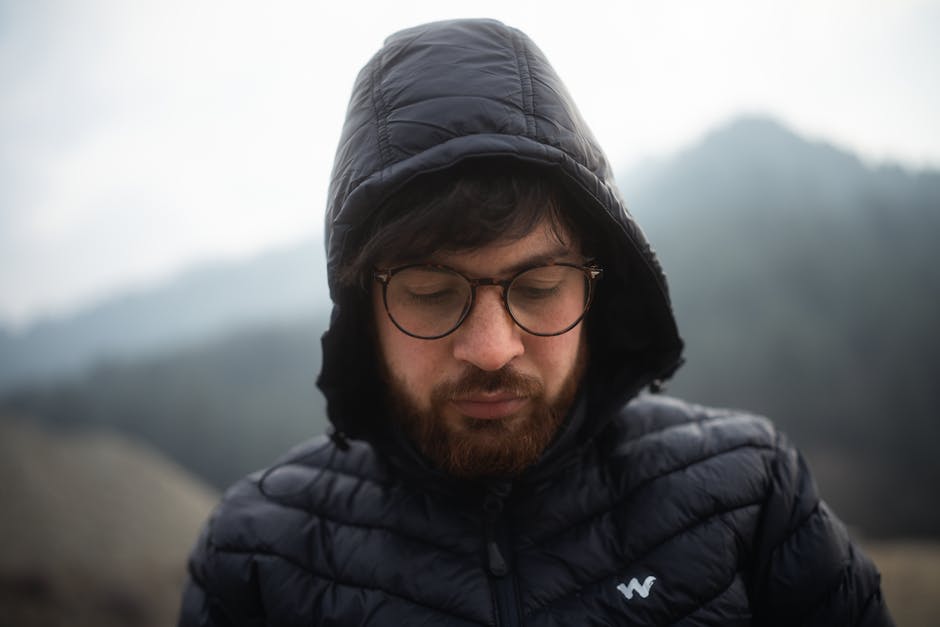
Consider features like adjustable cuffs, drawcords at the hem, and a well-fitting hood. These elements help seal in warmth and prevent cold air drafts, critical details for maintaining comfort across varied Japanese environments in 2026. A jacket with a hood, for instance, can significantly reduce heat loss from the head and neck, an area where substantial heat escapes.
Packability and Weight: Essential for Travel Logistics
Traveling through Japan often involves navigating public transport, from Shinkansen bullet trains to local subways, and walking through bustling cities. In this context, the packability and overall weight of your down jacket are paramount. A bulky, heavy jacket quickly becomes a burden, especially when transitioning between warm indoor environments and cold outdoors, or when space in your luggage is limited. The ideal down jacket for Japanese travel strikes a balance between warmth and its ability to compress into a small, manageable size.
Most quality down jackets are designed to be highly compressible. Many come with a stuff sack, allowing them to be packed down to the size of a water bottle or even smaller. This feature is particularly valuable for day trips, where you might only need your jacket for specific periods or in the evenings, and want to stash it in a daypack without occupying too much space. A lightweight jacket (typically under 500 grams or 1.1 pounds for a men’s medium) with high fill power (700-850 FP) offers the best warmth-to-weight ratio, ensuring maximum insulation with minimal bulk.
Comparing Weight and Compressibility Factors
The weight of a down jacket is influenced by several factors: fill power, fill weight, shell fabric denier, and the inclusion of features like a hood, pockets, and zippers. Jackets with higher fill power generally achieve more warmth for less weight. For instance, an 800-fill-power jacket might use less down by weight to achieve the same warmth as a 600-fill-power jacket, making the former lighter and more compressible. Similarly, a lower denier shell fabric (e.g., 10D-20D) contributes significantly to overall lightness and packability, though at the expense of some durability.
| Feature | Impact on Weight | Impact on Packability |
|---|---|---|
| Higher Fill Power (e.g., 850 FP) | Lower (for same warmth) | Better |
| Lower Fill Power (e.g., 600 FP) | Higher (for same warmth) | Worse |
| High Fill Weight | Higher | Worse |
| Low Denier Shell (e.g., 15D) | Lower | Better |
| High Denier Shell (e.g., 40D) | Higher | Worse |
| Hooded Design | Adds ~50-100g | Slightly reduced |
| Multiple Pockets/Features | Adds weight | Slightly reduced |
For extensive travel throughout Japan in 2026, especially if you plan to move between multiple cities or regions, prioritizing a jacket that stuffs down small will significantly improve your travel experience. This allows for greater flexibility in luggage, easier transitions on public transport, and the ability to carry the jacket with you for fluctuating temperatures throughout the day. Consider jackets specifically marketed as “ultralight” or “packable” if minimal bulk is a top priority for your itinerary.
Care and Maintenance for Longevity of Your Down Jacket
Proper care and maintenance significantly extend the lifespan and performance of a down jacket. Down, being a natural material, requires specific handling to retain its loft and insulating properties. Neglecting care can lead to clumping, reduced warmth, and premature wear of the shell fabric. Investing in a quality down jacket for your 2026 trip to Japan means also investing in its upkeep, ensuring it remains an effective piece of gear for many years.
The most common mistake is improper washing. Down jackets should be washed infrequently, only when genuinely dirty or losing loft. When washing, always use a front-loading washing machine (top-loaders with agitators can damage the jacket). Use a specialized down-specific cleaner, not regular detergent, as detergents can strip natural oils from the down, making it brittle. Wash on a gentle cycle with cold water. It’s advisable to add a few tennis balls or dryer balls to the dryer to help break up down clumps and restore loft. Tumble dry on a low heat setting, checking frequently and fluffing by hand. This process can take several hours, and patience is key to fully drying the down and preventing mildew.
Storage and Repair Best Practices
Correct storage is as vital as proper washing. Never store a down jacket compressed for extended periods. While it’s fine for travel, prolonged compression will permanently damage the down’s loft. Instead, store it loosely hung in a closet or in a large, breathable mesh storage sack. This allows the down to remain fully lofted, preserving its insulating capabilities.
Minor rips or tears in the shell fabric should be addressed promptly to prevent down leakage. Small holes can often be repaired with adhesive patches designed for outdoor gear, which are simple to apply and highly effective. For larger damage, professional repair services might be necessary. Regularly inspect your jacket for signs of wear and tear, paying particular attention to seams, zippers, and high-abrasion areas. Addressing these issues early can prevent them from escalating and compromising the jacket’s integrity. Cleaning the DWR coating every few washes with a specialized wash-in product or spray-on treatment will also prolong water repellency, which is important for Japanese winters.
Following these care guidelines ensures your down jacket remains a reliable source of warmth for all your future winter adventures, including your excursions in Japan in 2026 and beyond. A well-maintained jacket provides consistent performance and durability, making it a valuable asset in your cold-weather wardrobe.
Accessorizing Your Down Jacket for Maximum Japanese Winter Comfort
While the down jacket itself is central to winter warmth in Japan, its effectiveness can be significantly enhanced by thoughtful accessorizing. These complementary items seal gaps, provide additional insulation where heat loss is common, and offer protection against specific weather elements. Overlooking these details can diminish the performance of even the highest-quality down jacket, leading to discomfort during prolonged outdoor exposure. Consider how these additions integrate with your jacket and overall layering system for optimal comfort.
Headwear is a primary consideration. A significant amount of body heat can be lost through an uncovered head. Even if your down jacket has a hood, a warm beanie or insulated hat provides an additional layer of warmth, especially in windy conditions or when the hood is down. For extreme cold, a balaclava offers comprehensive protection for the face, ears, and neck, which is especially useful in regions like Hokkaido or during outdoor activities in snowy areas. Look for options made from merino wool or synthetic fleece for effective warmth and moisture management.
Gloves, Scarves, and Footwear Synergies
Protecting your extremities is crucial. Quality gloves or mittens are non-negotiable for Japanese winters, particularly if you plan on extended periods outdoors. Mittens generally offer more warmth than gloves due to less surface area exposure and shared warmth among fingers. Look for options with waterproof or water-resistant outer shells and good insulation. For urban exploration, thinner, touchscreen-compatible gloves might be sufficient, but heavier, insulated options are necessary for colder regions or snow activities.
- Gloves: Choose insulated, waterproof/water-resistant options for outdoor activities. Lighter, wind-resistant gloves suffice for milder city conditions.
- Scarves/Neck Gaiters: A scarf or neck gaiter provides crucial warmth for the neck and lower face, areas often exposed between the jacket collar and hat. A merino wool neck gaiter is versatile and easily adjustable.
- Footwear: Waterproof, insulated boots with good traction are essential. Snowy or icy conditions are common, especially in northern Japan and mountainous areas. Proper socks (wool or synthetic) are also critical for moisture-wicking and warmth.
By integrating these accessories with your chosen down jacket, you create a comprehensive defense against the cold, wind, and moisture of Japan’s winter. This holistic approach to winter clothing ensures that no single point of heat loss compromises your overall comfort and enjoyment of your 2026 trip. The combination of a well-chosen down jacket and appropriate accessories transforms your gear from merely adequate to truly optimal for the diverse challenges of the Japanese winter landscape.
Choosing the Right Down Jacket for Your 2026 Japan Itinerary
Selecting the optimal down jacket for your trip to Japan in 2026 depends heavily on your specific itinerary and anticipated activities. There is no single “best” jacket; rather, there is a best jacket for a particular set of conditions and user preferences. A jacket suitable for extensive hiking in the snow-laden Japanese Alps will differ significantly from one ideal for urban exploration and temple visits in Kyoto and Tokyo. Matching the jacket’s technical specifications—fill power, fill weight, shell durability, and water resistance—to your actual needs is the most effective approach.
For travelers focusing on major cities like Tokyo, Kyoto, or Osaka, where temperatures are typically milder and precipitation might be light snow or occasional rain, a lightweight, compressible down jacket with 600-700 fill power and a robust DWR-treated shell (20-30D) is often sufficient. The emphasis here is on versatility, ease of packing, and a balance of warmth for transitioning between indoors and outdoors. A hooded design is beneficial for unexpected cold snaps or light precipitation.
Scenario-Based Jacket Recommendations
Consider these common travel scenarios for your 2026 Japan winter trip:
- Urban Sightseeing & Cultural Immersion (Tokyo, Kyoto, Osaka):
- Jacket Profile: Moderate warmth, highly packable, good wind resistance.
- Specifications: 650-750 fill power, 5-8 oz fill weight, 20D shell with DWR. Hooded preferred for versatility.
- Rationale: Allows for easy movement, fits well under a city coat if desired, and is not overly warm for frequent indoor stops.
- Snow Sports & Mountain Exploration (Hokkaido, Japanese Alps):
- Jacket Profile: High warmth, excellent moisture resistance, durable shell.
- Specifications: 750-850+ fill power, 8-12 oz fill weight, 30-70D shell (ideally with a waterproof membrane or highly effective DWR). Hydrophobic down is strongly recommended.
- Rationale: Crucial for maintaining warmth in sub-zero temperatures, heavy snow, and high winds. Durability protects against abrasion from gear.
- Mixed Itinerary (Cities + Day Trips to Snowy Areas):
- Jacket Profile: Versatile, good warmth-to-weight, adaptable.
- Specifications: 700-800 fill power, 6-10 oz fill weight, 20-40D shell with strong DWR. Hydrophobic down is beneficial.
- Rationale: Provides sufficient warmth for colder excursions while remaining manageable for urban segments. Can be layered effectively for varied conditions.
Ultimately, the objective is to prevent both overheating and under-insulation. Overheating leads to sweat, which then causes chilling when temperatures drop. Under-insulation directly results in discomfort and potential health risks in cold weather. By carefully evaluating your planned activities against these technical guidelines, you can confidently select a down jacket that will serve as a reliable and comfortable companion throughout your 2026 winter journey in Japan.