A long wool coat is not only for formal outfits. That is the common mistake. The coat becomes practical everyday clothing when the fit leaves room for layers, the hem works with your shoes, and the fabric matches the weather. The goal is a warm vertical line that looks deliberate without making a trip to the grocery store feel like a ceremony.
Start With the Coat’s Shape, Not the Color
My clear recommendation: choose a straight or softly oversized long coat before you worry about color. Shape controls comfort, layering space, and how often you will reach for the coat. A black coat may match everything, but a narrow shoulder or tight armhole can make it useless over a sweater.
Check the fit in a real winter layer
Try the coat over the thickest outfit you expect to wear. Raise both arms, sit down, and button or belt the front. You need about 2 to 3 inches of room across the chest and enough sleeve length to cover the wrist bone. The shoulder seam should sit near the edge of your shoulder, not halfway down the arm unless the coat is intentionally oversized. A back vent should open when you walk, not pull flat across the hips.
Pick the silhouette that matches your routine
A straight coat creates the cleanest office-to-weekend line. A belted wrap coat gives more room at the waist and works well over chunky knits. A double-breasted coat adds structure but can feel bulky when worn over a sweatshirt. The COS Double-Faced Wool Long Coat, listed at $429, is the strongest choice for a simple tailored wardrobe because its notch lapels and regular fit work with both denim and trousers. Leave at least two generic outfits in rotation between statement pieces: dark jeans with a fine sweater, then wide-leg trousers with a tucked long-sleeve top. If you prefer a sharper shoulder and more traditional topcoat shape, the J.Crew Chiara Topcoat, listed around $398 to $498, is the more polished pick.
Build Warmth With Three Thin Layers

Bulk is not the same as warmth. Three thin layers trap air better than one giant sweater and make temperature control easier on buses, trains, and heated indoor spaces. Keep the coat itself as the outer shell and let each layer solve one job.
1. Start with a close base layer
Choose a merino, cotton, silk, or technical long-sleeve layer that sits close to the body without squeezing. A thin merino top around 150 to 200 grams per square meter gives useful warmth without creating a lumpy chest. Tuck it into your trousers so cold air does not move up under the coat. Avoid a loose cotton T-shirt as the only base in freezing weather; cotton holds moisture and dries slowly.
2. Add one insulating middle layer
Use a fine-gauge sweater, cardigan, fleece, or lightweight quilted vest. The middle layer should slide inside the coat without catching at the elbows. For temperatures around 35 to 45 degrees Fahrenheit, a long-sleeve base plus a medium knit is usually enough. Below freezing, add a thin vest or thermal layer instead of jumping to an oversized sweater that strains the buttons.
3. Seal the openings
Most heat escapes at the neck, wrists, and ankles. A wool scarf tucked inside the lapels, gloves that cover the wrist, and socks that meet the trouser hem make a bigger difference than adding another shirt. Keep the scarf length below the coat hem if you want a clean line. Let it hang longer only when the coat is relaxed and the rest of the outfit is simple.
Compare Long Wool Coats Before You Buy
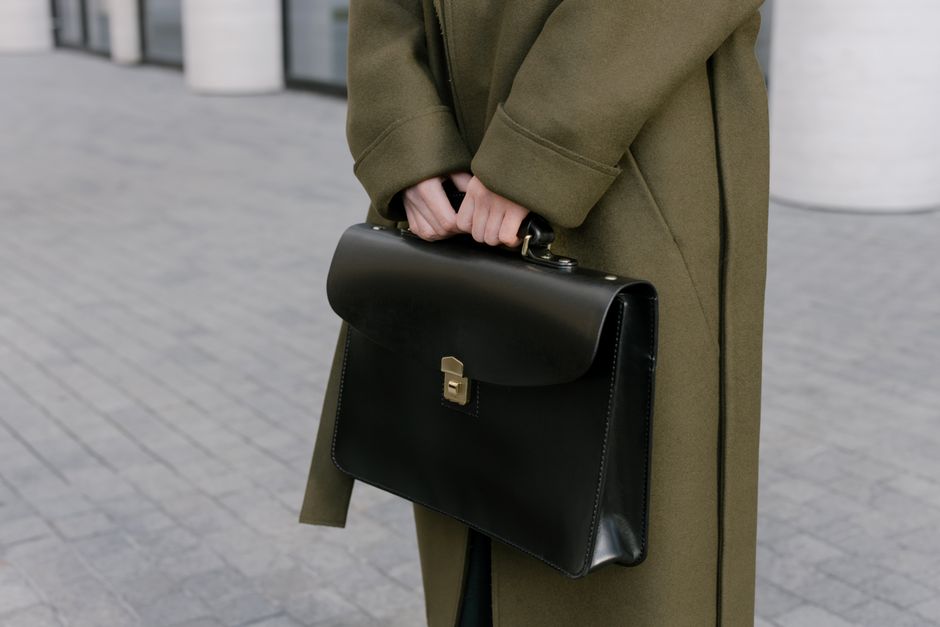
Shopping by color alone is a poor test. Compare fabric blend, back length, closure, pocket placement, lining, and care instructions. Prices below are US list prices seen on official brand listings and can change with seasonal sales.
| Coat | Listed price | Useful details | Verdict |
|---|---|---|---|
| COS Double-Faced Wool Long Coat | $429 | 43.5-inch back length, regular fit, 60% RWS wool and 40% TENCEL Lyocell | Best for a clean everyday uniform |
| COS Double-Faced Wool Shawl-Collar Coat | $349 | 49.8-inch back length, relaxed wrap shape, tonal belt | Best for dramatic layering and tall frames |
| J.Crew Chiara Topcoat | $398-$498 | Classic, petite, and tall sizing; double-face construction | Best for office outfits and varied heights |
| J.Crew Palais Topcoat in Italian Wool-Blend Melton | $450 | Melton wool blend, structured topcoat shape | Best for a traditional tailored wardrobe |
Read the numbers with the use case in mind
A longer back length gives more coverage but may drag in wet streets or catch on public seating. A 43.5-inch coat is easier for daily commuting, while a nearly 50-inch coat gives more visual drama and warmth around the legs. Double-face construction can feel light and flexible, but it does not automatically mean the coat is windproof. A dense melton fabric usually feels more protective, though it may weigh more.
The strongest everyday value is the COS Double-Faced Wool Long Coat. The J.Crew Chiara wins when petite or tall sizing matters. The shawl-collar COS style works for a fashion-led wardrobe, not for someone who wants the least fussy option.
Protect the Coat When Winter Turns Wet
Wool handles light moisture better than many people expect, but a wool coat is not a rain shell. The fibers can absorb water, and repeated soaking can distort the fabric, stain the lining, or create a musty smell.
Use a simple weather decision rule
For light snow or a short drizzle, brush off visible moisture and hang the coat on a wide hanger in a ventilated room. Do not place it directly on a radiator or use a hot hair dryer. Direct heat can shrink fibers, flatten the nap, and damage glued construction. If the forecast calls for steady rain, freezing rain, or wet snow, switch to a water-resistant shell over warm layers or choose an insulated coat with a treated outer fabric. That is the correct alternative, even when the wool coat looks better.
Follow the care label before the first stain
Most tailored wool coats require professional dry cleaning, but cleaning too often can shorten the life of the fabric. Brush the coat after several wears with a soft garment brush, empty the pockets, and air it overnight. Blot spills with a clean towel instead of rubbing them outward. Never put a structured wool coat in a washing machine unless the label clearly allows it. The main failure mode is buying a beautiful coat and treating it like a washable fleece.
Avoid These Five Long-Coat Mistakes

The most common problems are small fit and care decisions, not a lack of styling skill.
Five mistakes that reduce daily wear
- Buying too little room. A coat that fits over a T-shirt may fail over a sweater. Test it with real layers before removing the tags.
- Ignoring sleeve length. Exposed wrists make a warm coat feel unfinished and let cold air reach the arms. The sleeve should meet the wrist bone or cover it slightly.
- Choosing a hem that overwhelms the shoes. A very long coat needs a substantial boot or a deliberately simple trouser line. Tiny flat shoes can look lost beneath heavy fabric.
- Assuming wool equals waterproof. Check the fabric treatment and weather rating. Wool provides insulation, not guaranteed rain protection.
- Leaving the coat on a thin wire hanger. The shoulders can deform. Use a broad wooden or molded hanger and store the coat with room around it.
Read exclusions like a consumer advocate
For clarity, AM Best ratings and J.D. Power scores evaluate insurers, not wool coats. If a household policy covers clothing damage, exclusions, deductibles, and claim limits still matter. Renters and homeowners premiums vary by state and individual factors, and state-specific coverage requirements differ, so get multiple quotes rather than assuming one policy fits every household. Those insurance rules do not make a coat weatherproof; rain, neglect, and poor care may remain outside the policy.
Which Long Wool Coat Setup Wins for Your Routine?
What works for a daily commute?
Choose a straight coat that ends around the knee or slightly below it, then wear it with straight denim, a fine knit, and a low-profile boot. This setup moves easily through buses and office doors. Keep the scarf tucked inside the lapels so it does not catch on bags or handrails.
What works for a polished office?
Use a structured coat with tailored trousers, a tucked knit, and a pointed ankle boot. Keep the color contrast low: charcoal with black, camel with brown, or navy with dark denim. The J.Crew Chiara Topcoat is the clear choice when you need a traditional topcoat line and access to petite or tall sizing.
What works for casual weekends?
Pick a relaxed coat, straight jeans, a sweatshirt or chunky knit, and a substantial sneaker or lug boot. The proportions need one controlled oversized element, not three. If the coat is broad, keep the trousers straight. If the trousers are wide, select a coat with a cleaner shoulder.
The short verdict is simple: use a regular straight coat for the highest wear rate, a structured topcoat for office dressing, and a belted or shawl-collar coat when the outfit itself is the point.
| Routine | Coat shape | Reliable pairing |
|---|---|---|
| Commute | Regular straight | Fine knit, straight denim, ankle boots |
| Office | Structured topcoat | Trousers, tucked knit, pointed boots |
| Weekend | Relaxed or belted | Sweatshirt, straight jeans, substantial sneakers |