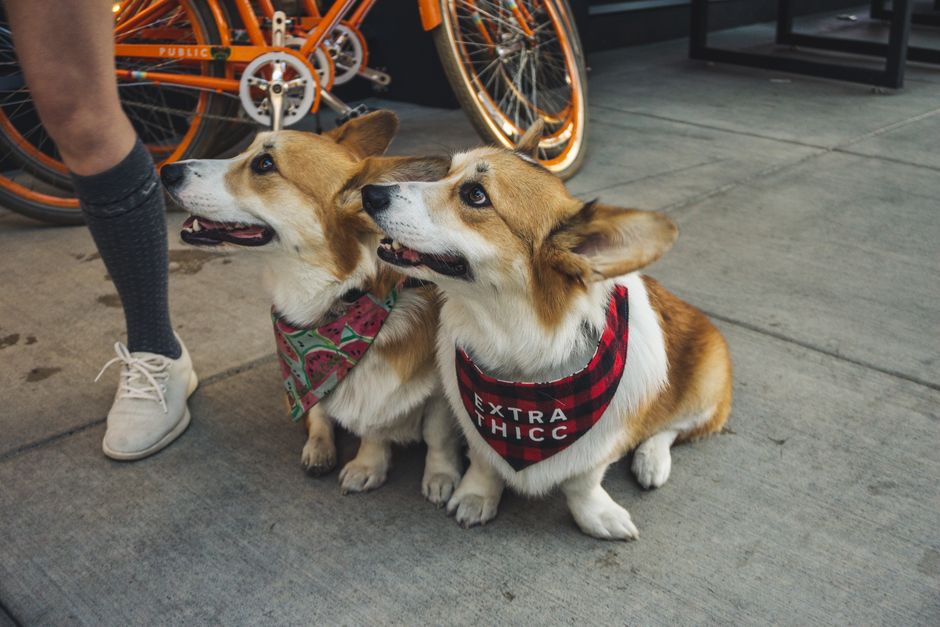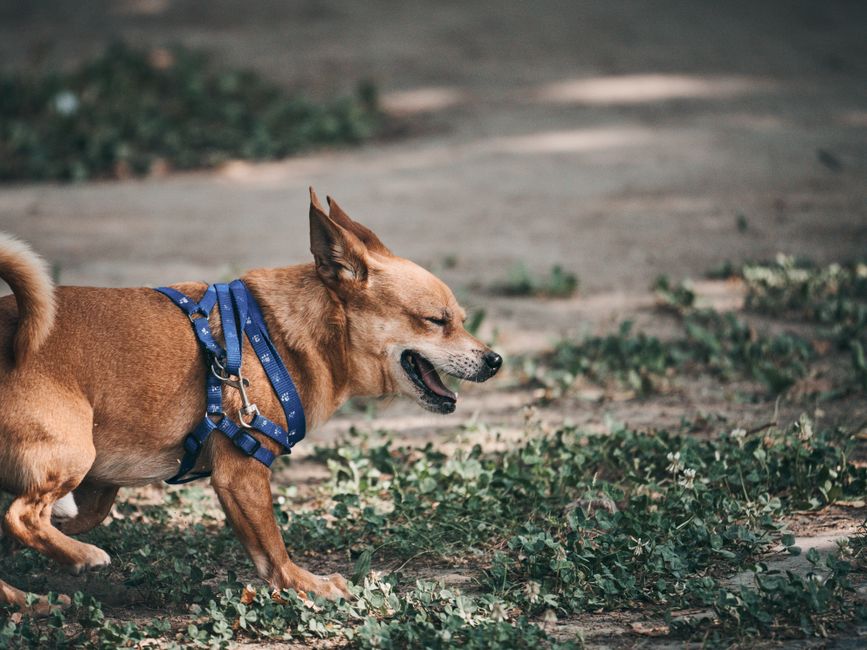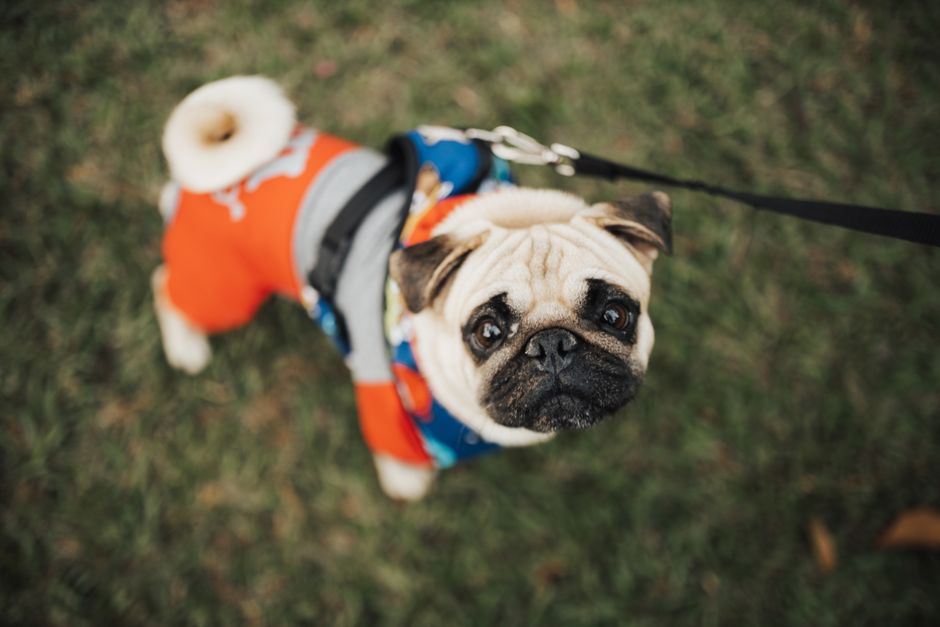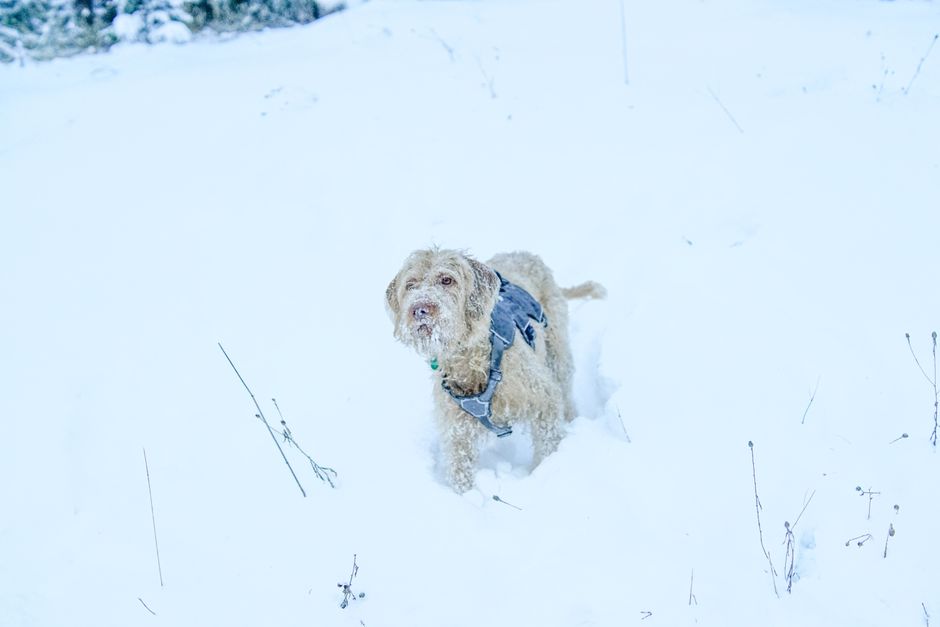
Is your dog between two coat sizes, long in the back, or broad through the chest? Measure the chest first, then check neck coverage, back length, and leg movement before buying. After years of fitting winter gear on different breeds, I have found that a coat with the right chest measurement beats a fashionable coat with perfect-looking back coverage every time.
How Much Room Should a Dog Winter Coat Have?
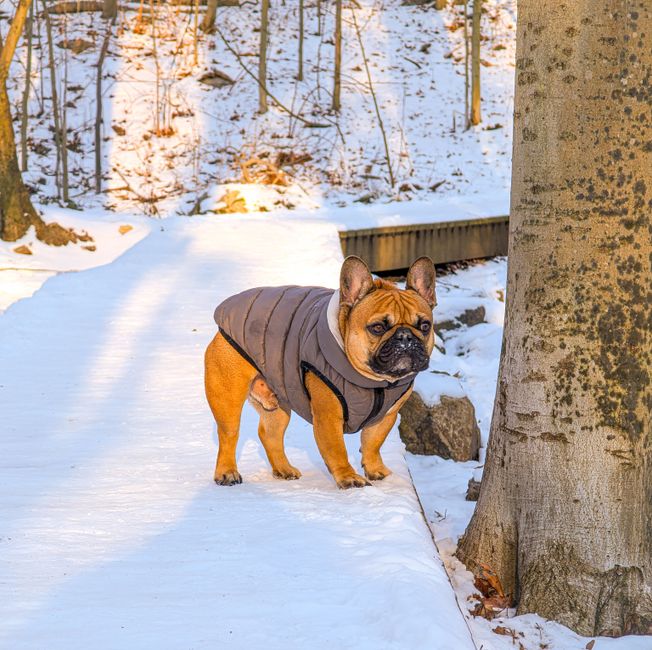
A winter coat should sit close enough to hold warm air against the body but loose enough for your dog to walk, sit, turn, and relieve itself without resistance. I use the two-finger test at the neck and chest, then watch the dog move for a full minute. A coat can feel comfortable when standing and pinch badly once the dog lowers its head or climbs stairs.
Use the two-finger test, not a guess
Slide two fingers under the neck opening and under the belly strap. If you cannot fit two fingers, loosen the adjustment or size up. If you can fit your whole hand, cold air will enter and the coat may twist during play. The belly panel should protect the chest and ribs without covering the genital area.
Check these fit points before keeping the coat
| Fit area | Correct result | Warning sign |
|---|---|---|
| Chest | Snug with two fingers of space | Ribs compressed or breathing looks strained |
| Neck | Closed against wind without choking | Gapping, rubbing, or repeated coughing |
| Shoulders | Front legs swing freely | Short steps or elbows pushed outward |
| Back | Coverage reaches near the tail base | Coat rides forward or exposes the lower back |
| Belly | Protected chest with bathroom clearance | Wet fabric, urine contact, or tangled fur |
Let your dog walk, trot, sit, shake, and turn around indoors before removing the tags. Look for a coat that stays centered instead of sliding toward one shoulder. For a short-backed dog, choose clean shoulder movement over maximum back coverage. For a long-backed dog, seek a brand with long sizes instead of buying a larger chest size that hangs too loosely.
Which Winter Coat Features Actually Matter?
The best dog winter coats solve three separate problems: heat loss, wet weather, and restricted movement. Marketing language often blends them together, but insulation and waterproofing are not the same thing. A thick fleece coat can keep a dog warm in dry cold and become heavy when soaked. A waterproof shell can block rain and still feel cold because it has little insulation.
Choose insulation for the actual cold
Short-haired, lean, senior, and recently groomed dogs usually need more insulation than healthy dogs with dense undercoats. Look for a padded chest, a covered back, and a collar that blocks wind without rubbing. For ordinary city walks, a light insulated jacket is easier to wear than a bulky snow suit. A dog that runs hard may overheat in heavy padding even when the air feels cold.
Match the shell to rain, snow, and wind
A water-resistant finish works for brief drizzle and dry snow. For wet snow or freezing rain, choose a coat with a coated outer fabric, protected seams, and a covered zipper. Check the belly because that area collects slush first. A hood is rarely useful for active dogs; it can block hearing and make a dog shake its head. I prefer a raised collar with an adjustable opening.
Protect movement before adding coverage
Front-leg clearance matters more than a dramatic full-body design. The arm openings should stay behind the elbows when the dog walks. Avoid stiff straps across the shoulders and elastic that pulls the coat into the armpits. Reflective trim helps during dark walks, while a harness opening matters only if the opening lines up with your actual harness. Test the coat with the leash attached and watch for twisting.
- Warmth comes from insulation and coverage.
- Dryness comes from the outer shell and seam design.
- Comfort comes from shoulder clearance and a stable belly strap.
- Safety comes from visibility, secure closures, and a leash path that does not pull the coat sideways.
My clear rule is simple: buy the lightest coat that solves the weather problem. Too much fabric makes dogs resist clothing, and a coat that stays in the closet provides no warmth at all.
When Does a Dog Actually Need a Winter Coat?
Cold tolerance depends on the individual dog
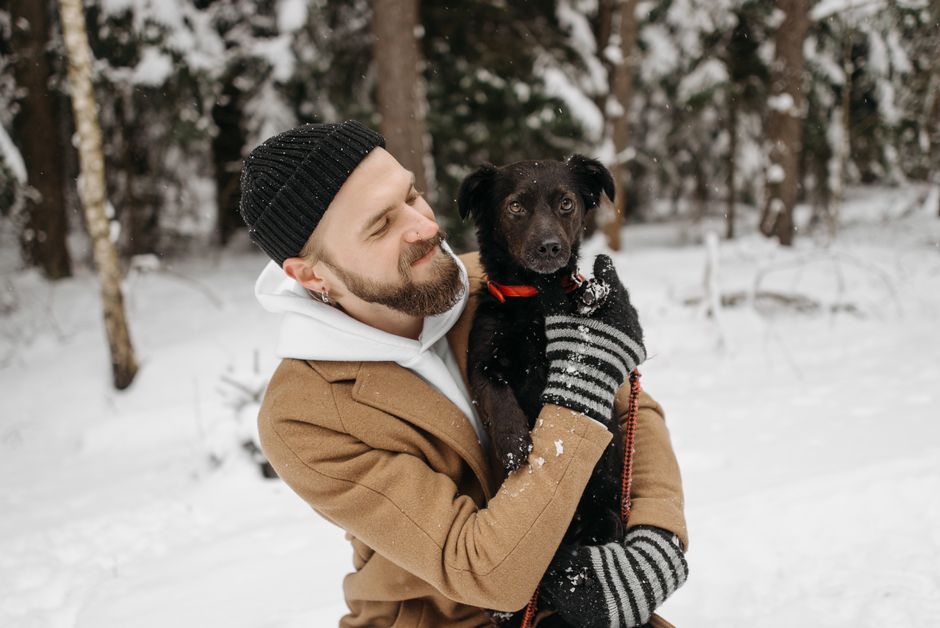
My verdict: buy a coat for short-haired, lean, elderly, very young, sick, or freshly clipped dogs, but do not dress every dog automatically. A healthy Husky with a dry double coat may stay comfortable on a cold walk while a slim Greyhound can shiver within minutes, so breed labels alone do not tell you enough; watch for shivering, tucked posture, slowing down, lifting paws, seeking shelter, or repeatedly turning toward home.
Weather and activity change the answer
A warm coat makes the biggest difference during slow walks, rest breaks, cold rain, strong wind, and wet snow, while a running dog may need a lighter layer or no coat after warming up; remove the coat indoors, check the skin and armpits after every outing, and stop the walk if your dog shows weakness, confusion, pale gums, or unusual breathing.
Which Dog Winter Coats Are Worth Buying in 2026?
My top pick for most cold, wet walks is the Hurtta Expedition Parka II. It costs about €115 on the European official site, uses a 140 g filling in sizes 30 through 80, and has adjustable neck, collar, back, and belly areas. The size range runs from 23 to 80, which is useful for small dogs and broad bull breeds. Its long back and weather-resistant outer fabric give better coverage than most inexpensive jackets.
Best budget coat for mild winter walks: Kurgo Loft Dog Jacket
The Kurgo Loft Dog Jacket is listed around $35.95 and offers light insulation, a reversible design, water resistance, reflective accents, and side hook-and-loop adjustments. Its chest chart runs from 15 to 45 inches across sizes XS through XL. I would buy it for an average-shaped dog walking in cold but mostly dry weather. I would not buy it for a Dachshund or a deep-chested dog unless the coat matches both chest and back measurements.
Best active-dog option: Ruffwear Overcoat Fuse Insulated Vest
The Ruffwear Overcoat Fuse Insulated Vest costs about $100 when stocked and is sized by chest girth from roughly 9 to 42 inches. It combines insulation with an integrated harness system, reflective trim, and a rugged outer layer. Choose it for an active dog that dislikes separate harness and coat layers. The vest is easier to put on than a full jacket, but it gives less leg coverage during deep snow.
Best slush protection: Canada Pooch Slush Suit
The Canada Pooch Slush Suit starts around $59 and covers more of the body than a standard jacket. Its size numbers run from 8 to 28, with back lengths of 8 to 28 inches and chest limits up to 16 to 40 inches. Buy it for wet snow, salt spray, and dogs whose leg fur collects ice balls. Skip it for dogs that panic when their legs are covered; a simpler parka will be worn more often.
For current measurements, I check the Ruffwear apparel fit guide, the Kurgo Loft size chart, and the Hurtta Expedition Parka II specifications before ordering.
Which Coat Fits a Dachshund, Greyhound, or Broad Chest?
What works for a Dachshund?
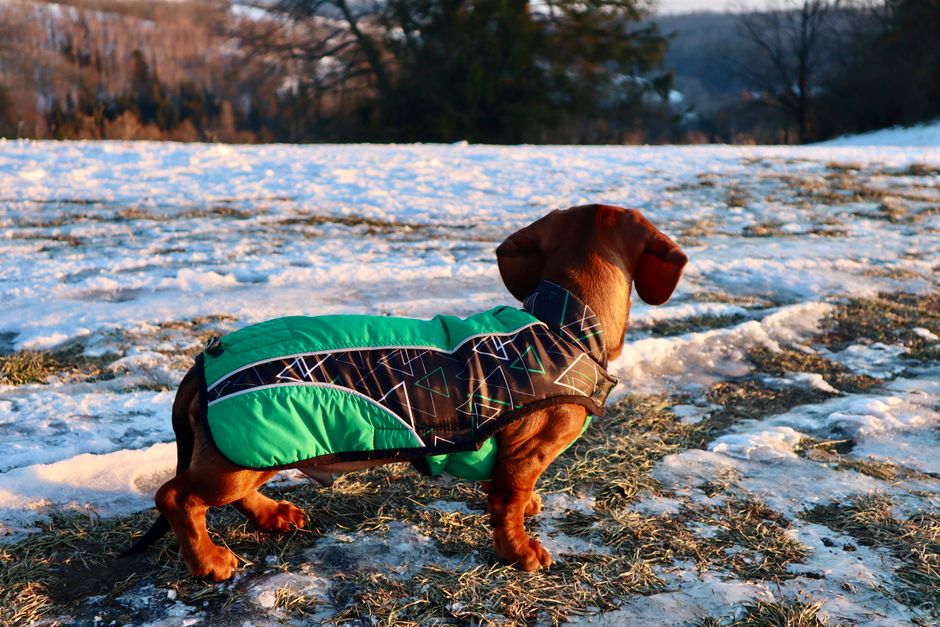
Dachshunds need a coat with enough back length and a chest cut that does not hang under the belly. Do not solve a short back by sizing up a standard jacket; that usually creates loose straps and exposed shoulders. A long-size parka or a breed-specific coat is the better purchase. The Canada Pooch Slush Suit offers numbered back lengths, but check the chest limit carefully because long-backed dogs can still have narrow ribs.
What works for a Greyhound or Whippet?
Sighthounds have deep chests, narrow waists, thin skin, and little insulating body fat. They usually need a high neck, full back coverage, and a belly panel that follows the waist. The Voyagers K9 Apparel Boxer Winter Coat starts around $174 and shows why breed-specific sizing costs more: its fit system separates body shape from generic weight ranges. For a Greyhound, Whippet, or Italian Greyhound, I would choose a specialist coat over a cheap universal jacket.
What works for a broad-chested dog?
Rottweilers, Bulldogs, Staffies, and some retrievers often fit the chest before they fit the back. Pick a coat with adjustable girth and a shoulder opening rather than a rigid pullover. The Hurtta Expedition Parka II is my strongest choice for this group because its neck, back, collar, and belly adjustments allow a closer fit without forcing the next size up.
My short list looks like this:
| Dog or weather | Best choice | Why |
|---|---|---|
| Mild, dry winter | Kurgo Loft Dog Jacket | Low price, light insulation, adjustable chest |
| Cold rain and snow | Hurtta Expedition Parka II | Warm filling, broad size range, weather-resistant shell |
| Active dog using one layer | Ruffwear Overcoat Fuse | Integrated harness and stable athletic fit |
| Wet snow and icy leg fur | Canada Pooch Slush Suit | Long coverage and water-resistant outer fabric |
| Greyhound or unusual body shape | Voyagers K9 Apparel | Breed-focused proportions and deeper chest coverage |