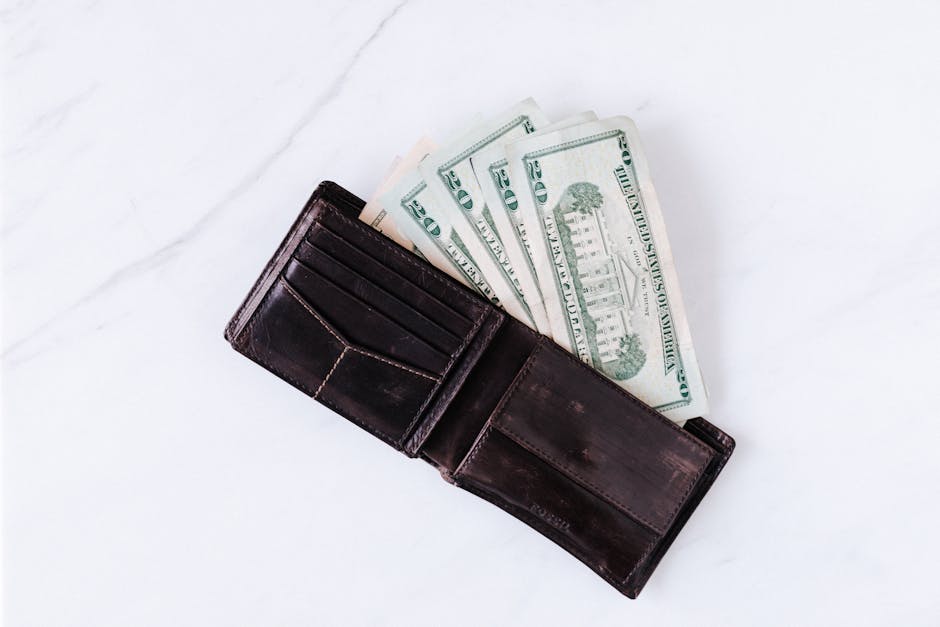
Medical research into spinal alignment reveals that sitting on a wallet thicker than one inch for extended periods can tilt the pelvis sufficiently to cause chronic lower back pain and piriformis syndrome, often colloquially termed “Wallet Sciatica.” This physiological reality, more than any fleeting fashion trend, has driven the massive shift in the men’s accessory market toward minimalist front-pocket carry. When scouring communities like r/BuyItForLife, r/EDC, and r/malefashionadvice, the consensus isn’t just about aesthetics; it is about the intersection of orthopedic health, material longevity, and the evolving nature of currency. As cash becomes a secondary concern for many, the requirements for a daily carry item have fundamentally transformed from a bulky storage unit to a streamlined card management system. The modern man on Reddit is no longer looking for a suitcase in his pocket; he is looking for a precision tool.
Why Reddit Favors Minimalist Front Pocket Wallets Over Traditional Bifolds
The transition from the back pocket to the front pocket represents a significant shift in how men approach their daily carry. On Reddit, this is frequently discussed as a move toward “intentionality.” The traditional bifold, often stuffed with expired receipts, business cards never to be called, and loose change, is viewed by the enthusiast community as an inefficient relic. Analysis of user sentiment across the most popular fashion subreddits shows a distinct preference for wallets that force the user to curate their essentials. By limiting capacity, these wallets prevent the “George Costanza” effect—that bulging, distorted pocket profile that ruins the silhouette of well-fitted trousers and causes the aforementioned postural issues. This isn’t just about vanity; it’s about the structural integrity of your clothes and your spine.
Beyond ergonomics, the front-pocket movement is closely tied to the rise of technical materials. While leather remains a staple, the Reddit community has been instrumental in mainstreaming metal, carbon fiber, and high-density polyethylene (HDPE) wallets. These materials offer a level of thinness that leather simply cannot achieve without sacrificing structural integrity. A titanium plate wallet can hold twelve cards in the same thickness as two empty leather flaps. This technical efficiency appeals to the “Everyday Carry” (EDC) demographic, which prioritizes gear that is both indestructible and highly functional. However, the move to the front pocket isn’t just about modernism; even traditionalists are opting for “slim bifolds” or card sleeves that utilize thinner, high-tensile leathers like kangaroo or goat skin to keep the profile manageable.
Material choice also dictates the long-term cost-of-ownership. Reddit users frequently calculate the “cost per carry,” arguing that a $100 wallet that lasts fifteen years is significantly more economical than a $20 synthetic wallet replaced annually. This analytical approach to fashion is what separates the Reddit consensus from mainstream retail trends. The community tends to ignore brand logos in favor of construction techniques. You will rarely see a designer fashion house wallet recommended on these boards; instead, the focus remains on small-batch makers and heritage brands that provide transparency regarding their sourcing and manufacturing processes. This scrutiny ensures that the recommended products can withstand the friction and sweat of front-pocket carry, which is often more demanding on materials than the relatively static environment of a back pocket.
The Ergonomic and Aesthetic Trade-offs
Choosing a minimalist wallet involves a specific set of trade-offs that the deep researcher must consider. While a metal plate wallet like the Ridge offers unmatched thinness, it lacks the tactile warmth and “give” of leather. Conversely, a minimalist leather sleeve will eventually stretch; if you carry five cards for a year and then drop down to two, those two cards may no longer be secure. Reddit users often suggest “stretching the leather” intentionally or using a filler card to maintain tension. Furthermore, front-pocket carry changes the wear patterns on denim. Enthusiasts of raw denim often celebrate the “fades” created by a sharp-edged metal wallet, while others find the premature holes in their pockets to be a significant drawback. Understanding these nuances—the balance between card security, pocket wear, and comfort—is vital before committing to a specific style of carry.
Top Rated Reddit Wallets: A Deep Dive into BIFL Brands and Models
When aggregating data from thousands of user comments, several brands consistently rise to the top. These aren’t just popular because of marketing; they are popular because they have survived years of real-world testing by a demanding user base. The following table summarizes the key specifications of the most frequently recommended models on Reddit, including technical details often omitted by standard retail descriptions.
| Brand & Model | Material Options | Approx. Price | Capacity | Weight (Empty) | Best For |
|---|---|---|---|---|---|
| Bellroy Note Sleeve | Premium LWG Leather | $95 | 4-11 cards + bills | 1.4 oz | Professional/Traditional |
| The Ridge | Titanium, Alum, Carbon | $95 – $140 | 1-12 cards | 2.0 oz | Durability/Minimalism |
| Saddleback Front Pocket | Full-grain Boot Leather | $60 | 4-6 cards + ID | 3.2 oz | BIFL Purists |
| Ashland Fat Herbie | Shell Cordovan | $160 – $250 | 8-16 cards + bills | 3.5 oz | Patina Enthusiasts |
| Magpul DAKA Essential | Reinforced Polymer | $25 | 3-7 cards | 0.9 oz | Gym/Outdoor/Budget |
| Trayvax Element | Stainless Steel & Leather | $90 | 3-10 cards | 5.0 oz | Rugged EDC/Security |
Bellroy Note Sleeve: The Slim Professional Standard
The Bellroy Note Sleeve is perhaps the most recommended “transitional” wallet on Reddit. It appeals to men who want to slim down their carry without giving up the familiar feel of a leather bifold. Its primary innovation is the pull-tab card section, which allows for deep storage of infrequent cards without adding layers of leather for each slot. It measures approximately 102mm x 90mm, making it small enough for front-pocket carry but large enough to hold tall international currencies like the Euro or Yen without folding them.
Specs & Details: Uses environmentally certified leather and features a hidden coin pouch and a protected section for business cards.
Pros: Excellent organization, fits full-sized banknotes without folding, and maintains a very slim profile even when moderately loaded. The pull-tab mechanism is highly satisfying and functional.
Cons: The leather is shaved thin to achieve its profile, meaning it won’t last 20 years like a thicker Saddleback piece; the internal liners can occasionally fray after 4-5 years of heavy use. It is not as “crush-proof” as metal alternatives.
The Ridge Wallet: The Industrial Minimalist
The Ridge has become a polarizing but dominant force in the EDC community. It consists of two metal plates held together by a heavy-duty elastic band. It is the antithesis of the traditional wallet, designed for the user who has moved almost entirely to digital payments but still needs to carry physical IDs and a few credit cards. It is incredibly compact, essentially the same dimensions as a credit card (86mm x 54mm).
Specs & Details: Available in 6061-T6 aluminum, Grade 5 titanium, and 3k carbon fiber. Includes integrated RFID blocking.
Pros: Virtually indestructible, lifetime warranty on the hardware, and integrated RFID blocking. It is arguably the thinnest way to carry 10 cards. The modular design allows you to swap between a cash strap and a traditional money clip.
Cons: The metal edges can be harsh on phone screens if kept in the same pocket; the elastic band, while replaceable, is a point of failure that leather doesn’t have. Some users find the “fanning” motion required to access middle cards to be cumbersome in a fast-paced retail environment compared to a traditional sleeve.
Saddleback Leather: The Heavyweight Contender
Saddleback Leather’s motto, “They’ll fight over it when you’re dead,” resonates deeply with the r/BuyItForLife crowd. Their Front Pocket ID wallet is constructed from thick, full-grain leather and stitched with marine-grade polyester thread. This is not a wallet for someone looking for the absolute thinnest profile, but rather for someone who wants a tactile, organic object that will survive a house fire.
Specs & Details: 100% full-grain leather with a pigskin lining (which is even stronger than cowhide). No breakable parts like zippers or snaps.
Pros: Overbuilt to an extreme degree, 100-year warranty, and develops a rich character over time. The ID window is a “no-plastic” design, meaning it won’t crack or yellow over time.
Cons: It is significantly thicker than other minimalist options even when empty; the break-in period can be brutal, sometimes taking months before cards slide in and out easily. At 3.2 oz, it is noticeably heavier than polymer or aluminum options.
Ashland Leather Fat Herbie: The Horween Specialist
For those who view leather as an art form, Ashland Leather—founded by employees of the famous Horween Tannery—is the gold standard. The Fat Herbie model is unique because it spreads the cards out across a wider surface area to keep the wallet flat, rather than stacking them vertically. This “pancake” approach to design is a favorite on r/malefashionadvice.
Specs & Details: Frequently crafted from Shell Cordovan, a rare leather from the fibrous flat muscle beneath the hide on the rump of a horse.
Pros: Uses world-class Shell Cordovan leather, which is dense, water-resistant, and develops an incredible mirror-like patina. The design ensures no “card on card” pressure, which prevents cards from cracking.
Cons: The footprint is much larger than a standard wallet, which may not fit comfortably in smaller front pockets; the price point is a significant investment for a pocket accessory, often exceeding $200 for Shell Cordovan versions.
The RFID Blocking Debate: Essential Security or Marketing Gimmick?
One of the most frequent debates on Reddit’s wallet threads concerns RFID (Radio Frequency Identification) protection. Many modern wallets, especially metal ones like the Ridge or Trayvax, advertise RFID blocking as a primary security feature. The marketing suggests that “electronic pickpockets” can scan your credit card information through your pocket using handheld readers. However, the consensus among the more tech-savvy members of the Reddit community is that RFID blocking is largely unnecessary for the average user.
Modern credit cards use EMV chips (the “dip” instead of the “swipe”), which generate a one-time code for each transaction. Even if a thief managed to scan your card, they would not get the static data required to clone it or make fraudulent online purchases. Furthermore, the range required for such a scan is extremely close—usually within inches—making it an impractical method for large-scale theft. While RFID blocking isn’t a bad feature to have, Reddit experts advise against making it the primary factor in your purchase. If you like a leather wallet that lacks RFID shielding, you can simply buy an RFID-blocking card to slip inside, providing the same protection without limiting your style choices.
Synthetic Alternatives: When Leather Isn’t the Answer
While leather and metal dominate the high-end market, a significant segment of the Reddit community advocates for high-performance synthetics. Brands like Magpul and Flowfold have gained a cult following for their use of materials like reinforced polymer and racing sailcloth (X-Pac). These wallets are particularly popular among hikers, athletes, and those living in humid climates where leather might mold or become saturated with sweat.
The Magpul DAKA series, for instance, uses a polymer fabric with RF-welded seams. This creates a permanent, waterproof bond that is stronger than traditional stitching. These wallets are incredibly thin (often less than 3mm) and provide a “grippy” texture that ensures the wallet won’t slide out of gym shorts or technical trousers. Similarly, Flowfold utilizes recycled sailcloth, which has a higher strength-to-weight ratio than steel. For the man who prioritizes a “zero-bulk” lifestyle and needs a wallet that can be washed in a sink, these synthetic options are often superior to heritage leather.
How to Choose a Wallet Based on Leather Grades and Construction Methods
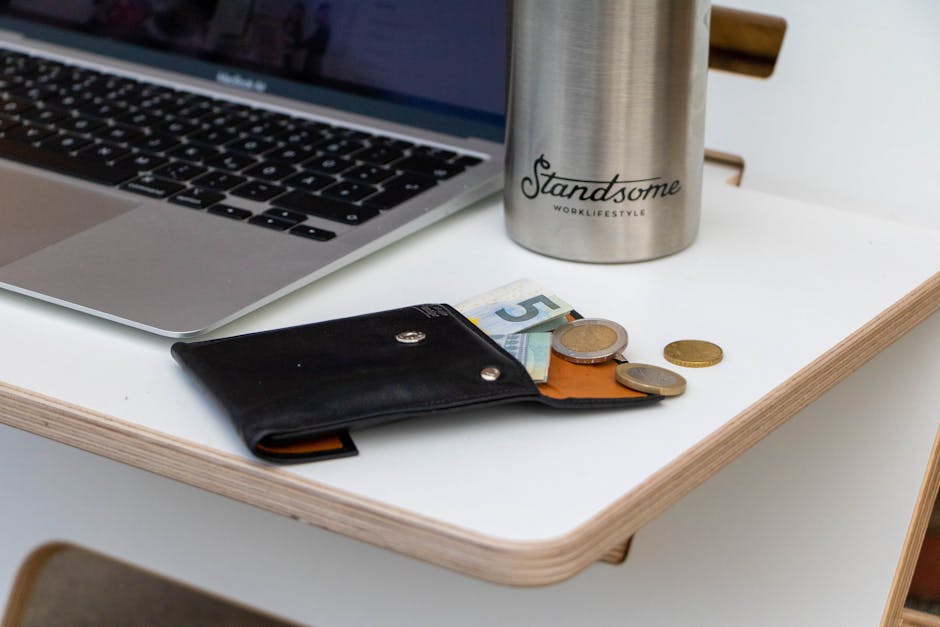
One of the most valuable aspects of the Reddit fashion community is the collective education on material science. A common pitfall for the average consumer is the “Genuine Leather” trap. On Reddit, you will quickly learn that “Genuine Leather” is not a claim of quality, but rather a specific grade of leather created by splitting lower layers of the hide and embossing them with a grain pattern. It is the plywood of the leather world. For a wallet that is intended to last, the community almost exclusively recommends Full-grain or Top-grain leather. Full-grain retains the entire natural grain of the hide, including the toughest outer fibers, ensuring that the wallet will not peel or crack over time.
The tanning process is equally important. Most mass-market wallets use chrome-tanning, which is fast and cheap but results in a leather that smells like chemicals and remains static in appearance. Reddit purists favor vegetable-tanned leather. This traditional process uses natural tannins from tree bark and leaves. While it starts out stiff and light-colored, it absorbs the oils from your hands and the indigo from your jeans, darkening and softening into a unique patina that tells the story of its use. This “evolution” of the product is a primary driver of the hobbyist interest in wallets. If you want a wallet that looks better at year five than it did at day one, vegetable-tanned full-grain leather is the only viable path.
Construction methods are the final piece of the puzzle. Most commercial wallets use a lockstitch performed by a sewing machine. The inherent flaw of a lockstitch is that if one thread breaks, the entire seam can unravel because the two threads are simply looped around each other. In contrast, many high-end makers recommended on Reddit use the “saddle stitch.” This is a hand-sewing technique using two needles and a single thread that crosses itself in every hole. If a thread breaks in a saddle-stitched wallet, the other side of the stitch remains secure, preventing the seam from opening. When you pay a premium for a handmade wallet from a maker like Mitchell Leather or a small Etsy artisan frequently cited on r/Leathercraft, you are primarily paying for this superior stitch integrity.
“The bitterness of poor quality remains long after the sweetness of low price is forgotten.” This quote is frequently cited in BIFL circles to justify the $100+ price tag on a simple card carrier. When you factor in the engineering of the leather thickness—measured in ounces, where 3-4oz is ideal for wallets—and the use of bonded nylon or Tiger thread, the value proposition becomes clear.
Maintenance and the Longevity of Modern Materials
Even the best-constructed wallet requires maintenance to reach its full potential. For leather, Reddit users recommend a light application of Smith’s Leather Balm or Venetian Shoe Cream every six to twelve months. This prevents the fibers from drying out and cracking, especially if the wallet is frequently exposed to body heat and moisture. Avoid over-conditioning, as this can make the leather too soft and cause it to lose its shape. A quick buff with a horsehair brush is usually enough to remove surface dust and redistribute oils.
For metal wallets like the Ridge or Trayvax, maintenance is simpler but still necessary. Checking the tension of the T5 Torx screws every few months ensures that the plates don’t become misaligned or lose their grip on the elastic. If the elastic begins to lose its “snap,” most high-end metal wallet brands sell replacement kits, allowing you to refresh the wallet for a fraction of the original cost. The deep researcher understands that a wallet is not a “set it and forget it” purchase, but a tool that requires occasional calibration to serve its owner for a decade or more. By focusing on these technical details—leather grade, stitch type, and ergonomic profile—you can bypass the marketing noise and select a piece of gear that truly earns its place in your pocket.