I’ve been through countless pairs of sneakers. From chasing trends to trying every hyped release, I’ve learned what truly matters when it comes to a shoe you wear daily. It’s not about flash; it’s about reliable comfort, lasting quality, and quiet versatility.
The Non-Negotiables for Daily Wear
When I talk about an “everyday” sneaker, I’m talking about a shoe that needs to pull triple duty. It needs to be comfortable enough for long walks, durable enough to handle constant use, and versatile enough to pair with most casual outfits. I’ve wasted too much money on shoes that look good for an hour but kill my feet, or fall apart after a few months. That’s a rookie mistake.
For me, the core pillars are straightforward: long-term comfort, build quality, and timeless design. If a sneaker doesn’t nail these three, it’s just another pair sitting in the back of your closet. Don’t fall for marketing hype promising revolutionary comfort if the shoe uses flimsy materials. Real comfort comes from thoughtful design and quality components, not just a catchy name.
Prioritizing Lasting Comfort
Comfort isn’t just about how a shoe feels fresh out of the box. It’s about how it feels at hour six, or after six months of regular wear. Look for adequate arch support, responsive cushioning, and a flexible upper that breathes. I’ve found shoes with a robust EVA foam midsole, like those from New Balance’s classic lines, consistently deliver. My feet have thanked me for choosing models with a wider toe box, too. Cramped toes are a recipe for discomfort and eventual foot problems. This isn’t just preference; it’s biomechanics. Your feet need room to splay naturally.
Build Quality That Endures
This is where many brands cut corners. An everyday sneaker needs strong stitching, quality upper materials, and a durable outsole. I’ve learned to scrutinize the seams, especially where the upper meets the sole. Glued-only construction rarely holds up. Leather or high-quality suede uppers tend to last longer and age better than cheap synthetics. For the outsole, look for dense rubber with a substantial tread pattern. Thin, smooth rubber wears down fast, especially if you’re walking on concrete sidewalks every day. Vibram soles are a gold standard for traction and longevity, although they add to the price.
Versatility in Design
An everyday sneaker shouldn’t scream for attention. It should blend in, elevating your outfit without being the main focus. Neutral colors—black, white, gray, navy, olive—are your best friends here. Classic silhouettes, like a simple low-top or a heritage running shoe, are always in style. Avoid overly chunky designs or wild color schemes unless that’s genuinely your core style. Simplicity usually means more mileage from your wardrobe. Think about what goes with jeans, chinos, and even casual trousers. If it only works with athletic shorts, it’s not an everyday shoe.
My Top Picks: Performance vs. Style

This is where I’ll probably get some flak, but I stand by these. You want a shoe that performs, and sometimes that means making a choice between pure athletic comfort and classic style. I’ve got clear winners for both. For sheer, all-day walking comfort that still looks respectable, the New Balance 990v6 is unmatched. Yes, it’s pricey, typically running $190-$200, but the comfort, stability, and durability are worth every penny. It’s an investment in your feet. The FuelCell cushioning is plush but supportive, and the build quality is tank-like. I can walk miles in these without a second thought.
If your priority leans more towards classic, understated style that can still handle a fair bit of walking, the Adidas Samba OG is my pick. It’s about $100. It’s not a cloud like the 990v6, but the leather upper, gum sole, and iconic T-toe design have been relevant for decades. It’s sleek, low-profile, and pairs with almost anything from jeans to smarter chinos. The comfort is adequate for casual strolls, but I wouldn’t recommend it for a full day of sightseeing. It’s a style play first, comfort second, but still miles ahead of many fashion sneakers.
The Unsung Hero: Saucony Jazz Original
I feel like people sleep on the Saucony Jazz Original. For around $70-$80, it offers an incredible blend of retro style, decent comfort, and surprising durability. It’s lighter than the 990v6 and more cushioned than the Samba. The EVA midsole provides enough bounce for daily wear, and the suede and nylon upper holds up well. It’s a fantastic middle ground if you want something comfortable, stylish, and wallet-friendly.
Nike’s Contenders: Waffle One vs. Killshot 2
Nike has a few options, but they often lean more heavily into specific aesthetics. The Nike Waffle One ($90-$110) offers a modern take on a heritage runner, bringing good breathability and light comfort. The Waffle outsole is grippy, and the translucent mesh upper is unique. However, its durability isn’t quite on par with a 990v6. Then there’s the Nike Killshot 2 ($90), a J.Crew staple for years. It’s pure vintage tennis style. Great with chinos, but comfort is minimal; it’s quite flat. It’s a shoe you buy for the look, not for logging steps.
What to Avoid (and Why)
Don’t buy hypebeast shoes with ridiculously thick, overly sculpted soles for everyday wear. They look cool in photos, but they’re often unstable, prone to premature wear, and offer little in terms of practical, long-term comfort. Stick to proven silhouettes and functional design.
Understanding Sneaker Tech and Materials

When you’re shelling out good money for a daily driver, understanding the basics of what makes a sneaker tick can save you a lot of grief. It’s not just about what looks good; it’s about what performs.
- Outsole Materials: The part that hits the ground. Durable rubber compounds are essential. Carbon rubber offers excellent abrasion resistance, but can be a bit stiffer. Blown rubber is lighter and softer, providing better cushioning, but wears faster. Look for a substantial tread pattern for grip and longevity. A thin, smooth outsole will wear through quickly on concrete.
- Midsole Cushioning: This is the engine of comfort. Most brands use some form of EVA (ethylene-vinyl acetate) foam. Different densities and formulations create varying levels of softness and responsiveness. Polyurethane (PU) midsoles are denser, heavier, but incredibly durable and stable—think boots or some classic trainers. Advanced foams like New Balance’s FuelCell or Adidas’s Boost offer excellent energy return and plushness, making long walks far more enjoyable.
- Upper Materials: This defines breathability, flexibility, and durability.
- Leather: Classic, durable, molds to your foot, but less breathable. Full-grain leather is best.
- Suede: Softer hand-feel than leather, ages well, but less water-resistant and requires more care.
- Mesh/Knit: Highly breathable, lightweight, flexible. Great for warmer weather but less durable against abrasion and less water-resistant. Often used in performance-oriented models.
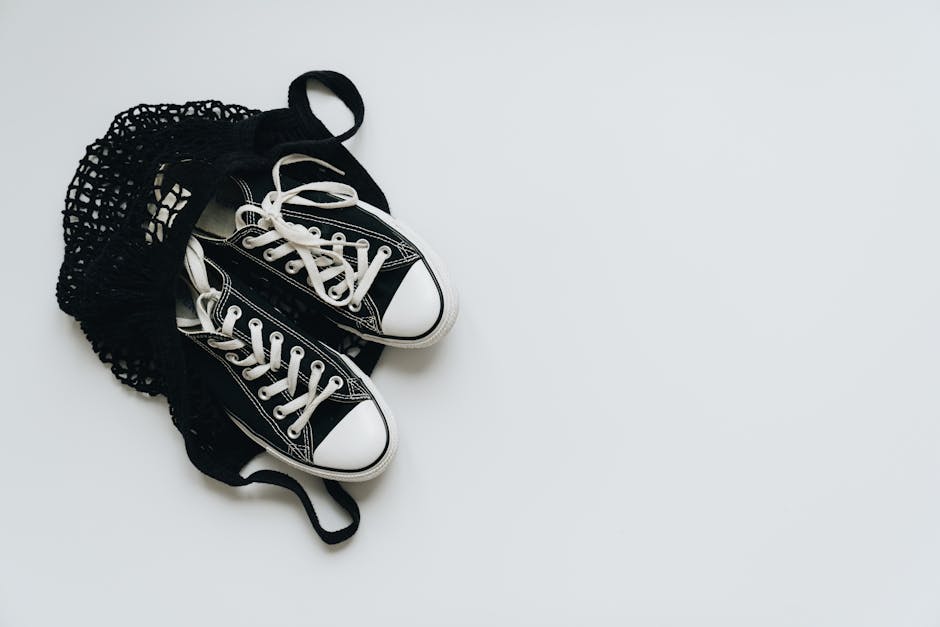
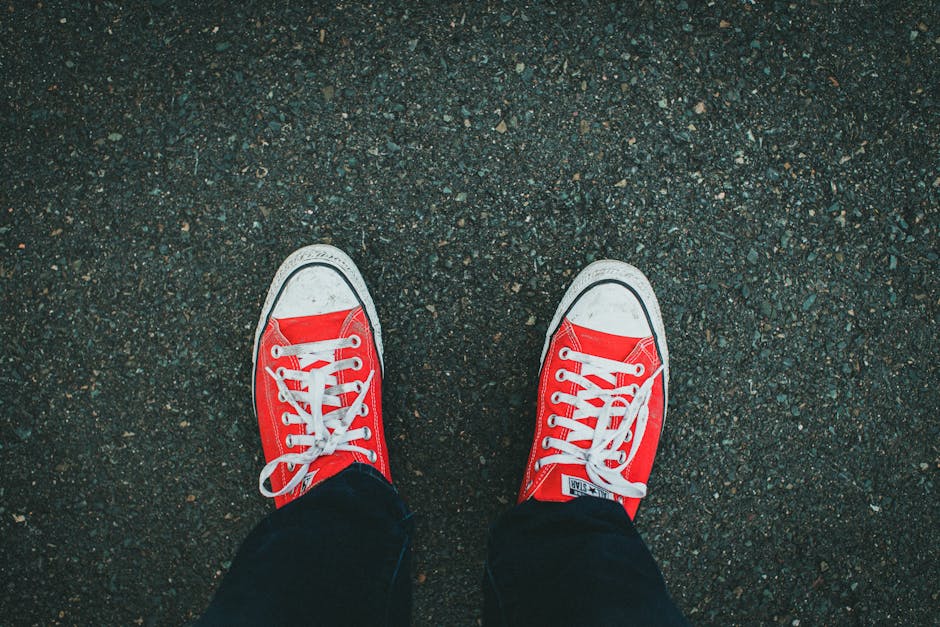
- Canvas: Affordable, breathable, but wears out faster and offers minimal support. Think Vans Authentics or Converse Chuck Taylors – iconic, but not for heavy walking.
- Lining and Collar Padding: Often overlooked, but critical for blister prevention and overall comfort. A soft, moisture-wicking lining and adequate padding around the ankle can make a huge difference, especially when you’re wearing them all day.
- Last and Fit: The ‘last’ is the foot-shaped form around which the shoe is built. It dictates the overall shape, width, and volume. Some brands, like New Balance, are known for offering wider lasts, which is a blessing for many of us who don’t have narrow feet. Always check sizing charts and, if possible, try them on.
Cost vs. Value: Are Expensive Sneakers Worth It?
This is a question I get constantly. My short answer: yes, often. But it’s about discerning value, not just price. Paying $180 for a New Balance 990v6 that lasts three years of heavy rotation and keeps your feet happy is far better value than buying three pairs of $60 sneakers that fall apart or cause discomfort within a year. Think about the cost per wear.
| Price Range | Typical Brands/Models | Expected Durability | Comfort Level (Daily) | Value Proposition |
|---|---|---|---|---|
| $50 – $80 | Vans Old Skool, Converse Chuck Taylor, Puma Suede Classic | 6-12 months (light-moderate use) | Basic, limited cushioning | Good for casual style, specific looks; not for long walks. Lower initial cost, higher cost per wear. |
| $80 – $120 | Adidas Samba, Nike Waffle One, Saucony Jazz Original, New Balance 237/327 | 12-18 months (moderate use) | Moderate, decent for casual wear | Solid balance of style, reasonable comfort, and decent durability. Mid-tier cost per wear. |
| $120 – $180 | New Balance 574/997, Brooks Addiction Walker, some Adidas Ultraboost sales | 18-24 months (moderate-heavy use) | Good to excellent, supportive | Serious comfort and better materials start here. Good long-term value for daily wear. |
| $180+ | New Balance 990v6/993, high-end Hoka, some premium leather options | 24-36+ months (heavy use) | Exceptional, all-day walking comfort | Best investment for foot health and longevity. Lower cost per wear in the long run if used extensively. |
It’s about understanding your needs. If you walk miles every day, investing in that $180+ tier is a no-brainer. If you primarily drive and only walk short distances, a $100 pair like the Adidas Samba could be perfect. But don’t expect the cheaper options to perform like the premium ones; you generally get what you pay for when it comes to material quality and comfort technology.
Q&A: Your Most Common Sneaker Questions Answered
I’ve heard these questions countless times. Let’s clear some things up.
How often should I clean my everyday sneakers?
Ideally, after every few wears, or whenever they look visibly dirty. A quick wipe down with a damp cloth goes a long way. For deeper cleans, use a dedicated sneaker cleaner and soft brush. Don’t throw them in the washing machine unless the manufacturer explicitly states it’s safe; it can damage glues and materials. I learned that the hard way with a pair of Adidas Stan Smiths.
Is it okay to wear the same pair of sneakers every single day?
No. I strongly advise against it. Giving your sneakers a day or two to air out helps them dry out from sweat, which extends their life and prevents odors. Rotate between at least two pairs. This also allows the cushioning to decompress and recover, prolonging its effectiveness. My rule of thumb: never wear the same pair two days in a row.
What’s the best way to break in new sneakers?
Wear them for short periods initially, especially around the house. Don’t embark on a five-mile walk the first day. Use thin socks first, then gradually move to your preferred sock thickness. Most quality sneakers shouldn’t require an agonizing break-in, but leather and some denser materials need a little time to mold to your foot.
Should I size up or down if I’m between sizes?
For everyday sneakers, I always recommend sizing up. A little extra room is better than cramped toes, especially as your feet swell slightly throughout the day. You can always add a thinner insole or wear thicker socks to take up minimal slack. Going too small is a guaranteed route to discomfort.
Choosing the right everyday sneaker isn’t about chasing fleeting trends; it’s about investing in your comfort and making smart choices that last.