Why “Near Me” Searches Send You to the Wrong Aisle
Walk into any big-box sporting goods store after a “workout clothes near me” search and you’ll face 200 square feet of options sorted by color, not by function. Commission-driven staff, limited size depth, and inventory tilted toward what photographs well — that’s the environment most women shop in. It’s not a great starting point.
The deeper problem is that workout clothing has an image problem. A massive portion of what gets sold as activewear is not designed to perform. It’s designed to look like it performs. Seam placement, fabric weight, moisture management, structural support — none of these show up in a product photo. So stores sell what looks good on a hanger, and buyers get home to discover the leggings go transparent during a deadlift or the sports bra shifts during a jog.
Understanding what separates functional workout clothes from workout-shaped clothes solves this. Once you know the filter, it doesn’t matter if you buy local or online. You can walk into any Dick’s Sporting Goods or Lululemon and skip past 70% of the inventory in about three minutes.
The women’s activewear market has ballooned into a multi-hundred-billion-dollar global category. More money flowing in means more brands, more options, and more confusion about what’s actually worth buying. The answer isn’t to spend more — it’s to spend on the right things. The Under Armour HeatGear Legging at $45 outperforms some $110 options for high-intensity training. The Lululemon Align at $98 is genuinely worth that for yoga and pilates — not for running. Knowing which is which matters more than the brand on the label.
This isn’t about finding the most expensive option or the best-reviewed one on a sponsored listicle. It’s about matching the garment to the movement, which is the filter that shopping “near you” almost never applies.
Fabric Is the Decision. Everything Else Is Cosmetic.
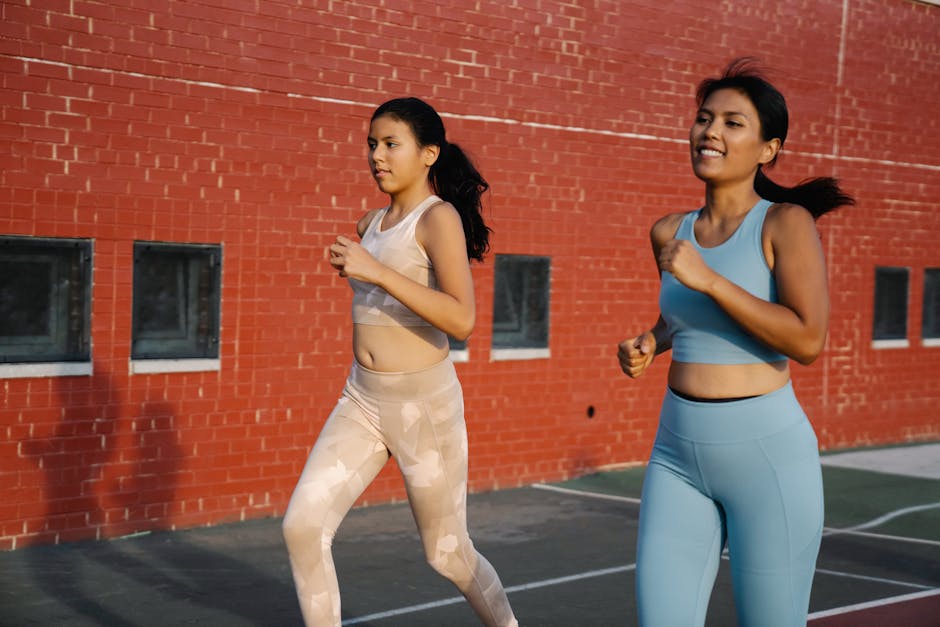
The single variable that determines whether workout clothes hold up: fabric composition. Nylon-spandex blends outperform polyester-spandex blends in softness, shape retention, and resistance to pilling. Polyester is cheaper to produce — that’s the only reason it dominates budget activewear. It’s not better. A 78% nylon / 22% spandex blend (like Lululemon’s Nulu fabric) maintains its stretch and opacity through two years of washing. A 92% polyester / 8% elastane blend typically starts showing wear within six months of regular use.
Cotton has one use case: low-impact movement — casual yoga, walking, light stretching — where sweat management isn’t critical. Anywhere sweat volume is high, cotton becomes a damp, heavy, chafing problem. It absorbs moisture and holds it. That’s the opposite of what you want.
For anything high-intensity, look for at least 15–20% elastane or spandex content. Less than that and the fabric relaxes over time, losing the compression that was the point of buying it.
Matching the Garment to the Workout
The most expensive mistake in workout clothing: buying one pair of leggings and expecting them to handle five different activities. Here’s what each major workout type actually requires, with specific options that deliver it.
- Running and outdoor cardio: Flat seams prevent thigh chafing over distance. Moisture-wicking fabric must move sweat away from skin before it cools. A high waistband won’t roll on inclines. The Nike Epic Luxe Running Tights ($110) hit all three. For shorter distances, the Brooks Greenlight Capri ($75) is excellent and easier on the budget. Reflective detailing matters if you run at dawn or dusk — that’s functional, not decorative.
- HIIT and cross-training: Squat-proof fabric is non-negotiable. Test it in the store: hold the waistband at eye level and look through the fabric toward a light source. If you can see your hand clearly, it’ll go transparent in class. The Gymshark Flex Leggings ($55) pass this test. So does the Under Armour HeatGear Armour Legging ($45), which also has better moisture management for high-sweat sessions than most options at twice the price.
- Yoga and pilates: Softness over compression. You want fabric that moves with the body without gripping or restricting during deep stretches. The Lululemon Align Legging ($98–$128 depending on length) is the legitimate benchmark here — the Nulu fabric is genuinely different from anything near its price point. The Alo Yoga Airlift Legging ($114) offers slightly more structure for those who prefer a firmer feel during balance poses.
- Strength training and lifting: Full squat depth demands serious range of motion, and pockets that hold a phone without bouncing matter more than most buyers admit. The Athleta Salutation Stash Pocket II Tight ($89) handles heavy barbell work and has phone pockets that actually stay closed during a lunge. Most “pocket” leggings dump your phone mid-set. These don’t.
- Walking and low-impact movement: This is where budget options earn their keep. Target’s All in Motion leggings ($25–$35) perform adequately for light activity. Old Navy’s PowerSoft Leggings ($35) hold shape through a full season of casual use. No reason to spend $100 for a 30-minute neighborhood walk.
The pattern holds across every category: spend more on clothes that face high-sweat, high-repetition, high-impact demands. Save money on clothes doing light duty. A $30 legging for walking is smart. A $30 legging for CrossFit is an expensive mistake in the medium term.
Brand-by-Brand Reality Check
Here’s where the major brands actually deliver versus where their marketing overstates the case.
| Brand | Best For | Weak Spot | Price Range (leggings) | Honest Verdict |
|---|---|---|---|---|
| Lululemon | Yoga, pilates, studio work | Durability relative to price; QC inconsistency | $98–$148 | Best fabric softness available. Inspect seams in-store before buying. |
| Nike | Running, HIIT, cardio | Too structured for yoga; cuts run long in the inseam | $55–$130 | Nike Pro and Epic Luxe lines are the most reliable for performance cardio. |
| Under Armour | High-intensity, budget performance | Conservative styling; not a fashion-forward brand | $35–$90 | HeatGear is excellent for 30–40% less than comparable options. Chronically underrated. |
| Gymshark | Strength training, lifting, aesthetics | Minimal moisture management; not ideal for running | $40–$65 | Squat-proof and well-designed for the gym floor. Runs small — size up. |
| Alo Yoga | Studio, yoga, athleisure crossover | Price-to-performance at high intensity | $78–$148 | High quality, but priced partly for lifestyle appeal. Justified if yoga is your main workout. |
| Athleta | Versatility, inclusive sizing, mixed activity | Less technical than Nike for dedicated running | $55–$110 | Strongest size range in the premium tier. Good for women who mix activities week to week. |
| Target / Old Navy | Low-impact, casual use, tight budget | High-intensity durability; fabric quality under sweat volume | $20–$45 | Solid value for walking and light movement. Not built for the gym floor. |
One thing the table doesn’t capture: fit consistency. Lululemon and Athleta run closest to true size. Gymshark runs consistently small — one full size up is standard. Nike runs long in the inseam, which matters for petite buyers. If ordering online for the first time from any brand, use their published measurements (hip and waist circumference) rather than S/M/L designations, which vary significantly.
Three Fit Questions Worth Answering Before You Buy
Why do leggings roll down during squats?
Almost always a waistband placement issue, not a size issue. If the waistband sits at or below the hip, it has nothing to anchor against during deep flexion — the body narrows at the waist and widens at the hip, so a band at mid-hip gets pushed down. High-waisted styles (waistband sitting at or above the navel) stay in place because they sit at the narrowest point of the torso. Physics holds them there. Folded-over waistbands on mid-rise styles make this worse by creating a pressure point that acts as a lever pushing the band south.
Why does the fabric turn see-through after a few washes?
Two causes. First: fabric composition. Cheap polyester blends degrade elastane fibers faster under friction than nylon-spandex blends do. If the leggings were borderline transparent at purchase, a few washes will push them over the line. Second: wash temperature. Hot water and regular machine cycles break down elastane faster regardless of fabric quality. Wash in cold water on a delicate cycle or put them in a mesh laundry bag. If you bought leggings under $30 and they’re going transparent after six washes, that’s a material issue — the fix is buying better fabric, not changing wash habits.
Is this sports bra actually providing enough support?
It depends on cup size and impact level, and most product descriptions won’t tell you honestly. For A and B cups, a compression bra handles high-impact activity fine — the Nike Swoosh Sports Bra ($35) is a solid option. For C cups and above, you need encapsulation: individual cups with structural support, not just compression fabric wrapped tightly. The Panache Sport Underwired Sports Bra ($62) and the Shock Absorber Active Classic ($55) both genuinely work for larger cup sizes during running and HIIT. Compression-only bras for D+ cups are not adequate, regardless of what the packaging claims about “high impact support.”
Local Store vs. Online: Where Each Actually Makes Sense
| Shopping Method | Best Use Case | Watch Out For |
|---|---|---|
| Lululemon retail store | First-time fit check on Align or Wunder Train; staff can assess fit in person | Full price only in most stores; sale inventory is thinner than the online “We Made Too Much” section |
| Nike / Adidas outlet stores | Last-season technical styles at 30–50% off — same fabric, older colorways | Sizes get picked over fast; go on weekdays |
| Dick’s Sporting Goods | Wide multi-brand selection under one roof; frequent 20–30% off sale events | Staff knowledge varies significantly; watch for upsells on accessories you don’t need |
| Brand websites (direct) | Full size and color range; clear return policies; detailed measurement-based size guides | Can’t feel the fabric before buying; shipping adds 3–7 days |
| Amazon (brand storefronts only) | Fast restock on sizes you already know; Prime delivery | Counterfeit risk on third-party listings is real — buy from official brand storefronts only |
The hybrid approach works best. Try on in-store to confirm fit and fabric feel, then buy online when replenishing or shopping a sale. Lululemon’s “We Made Too Much” section regularly discounts Align leggings by $30–$40. That’s real money back for the same product you already tested in the store.
The Straightforward Starting Point for Most Women
Start with one pair of Under Armour HeatGear leggings and one Nike Dri-FIT sports bra. Together they land under $80. They cover most workout types, they’re available at local sporting goods stores for an in-person try-on, and both brands have consistent sizing that makes online repurchasing low-risk once you know your size.
Train in those for a few weeks. You’ll quickly learn what’s missing. If yoga becomes regular, the Lululemon Align addresses what the HeatGear doesn’t — softer fabric, better compression distribution for slow movement. If running becomes frequent, the Nike Epic Luxe solves the moisture and seam issues that general-purpose leggings create over distance. If lifting is the focus, the Gymshark Flex or the Athleta Salutation gives you the squat depth and pocket functionality that basic leggings skip entirely.
Buying a full activewear kit before knowing your movement patterns is how women end up with $400 in clothes that mostly sit folded in a drawer. One versatile starting pair, then build from what you actually notice is missing — that’s the approach that wastes nothing.
The best workout clothes are the ones that don’t make you think about them while you’re moving.