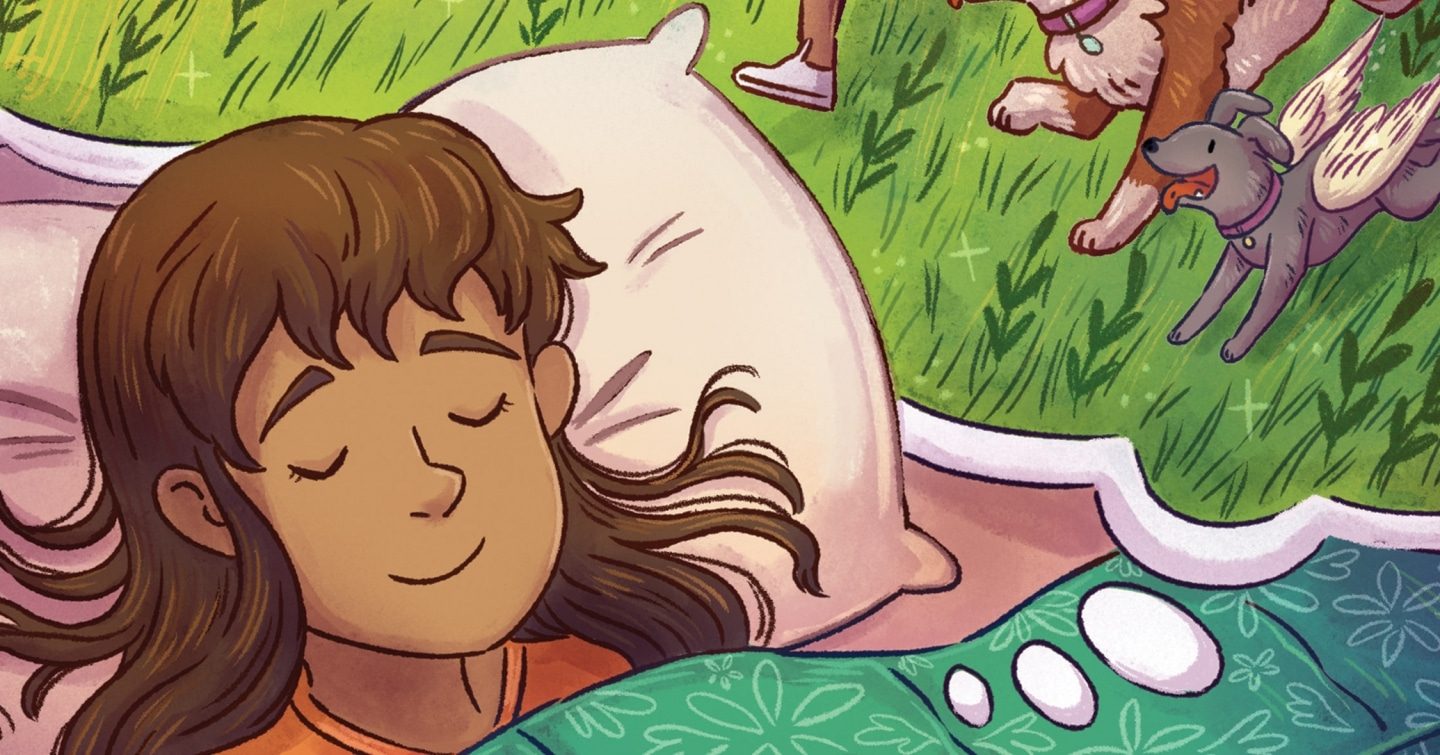
Every night, as your dog drifts off to sleep, they enter a fascinating, complex world. In fact, research shows that nearly 80% of dogs exhibit behaviors consistent with dreaming during their sleep cycles. You’ve seen it: the gentle paw twitch, the soft whimpers, perhaps even a full-body jolt. These aren’t just random movements; they are windows into your dog’s subconscious, reflecting their daily lives and instincts.
Understanding what goes on during your dog’s sleep offers more than just curiosity. It provides insights into their cognitive health, emotional state, and overall well-being. Just like humans, dogs need quality sleep for memory consolidation, learning, and physical restoration. When those dreams are calm and regular, it often signals a happy, well-adjusted pet.
The Science Behind Canine Sleep Stages
Dogs, much like humans, cycle through distinct sleep stages. These stages are crucial for both physical and mental restoration. Knowing these patterns helps us appreciate the depth of their nightly experiences.
Non-REM (NREM) Sleep: The Initial Rest
When a dog first falls asleep, they enter a period of Non-Rapid Eye Movement (NREM) sleep. This stage is characterized by slower brain waves and a gradual relaxation of the body. During NREM, heart rate and breathing slow down. Muscle activity decreases significantly. This initial phase is primarily for physical rest and tissue repair. Your dog might be lightly snoozing, easily roused by a sound or movement. It’s often when they find their most comfortable position, settling in for deeper rest.
REM Sleep: The Dream State
Following NREM, dogs transition into Rapid Eye Movement (REM) sleep. This is the stage where most dreaming occurs. During REM, brain activity increases, closely mirroring wakefulness. The eyes dart back and forth under closed lids. This is when you observe those characteristic twitches, muffled barks, or leg paddling. Scientists believe dogs are replaying daily events, processing new information, and consolidating memories during this intense period. A study by the Massachusetts Institute of Technology, though on rats, supports the idea that animals dream about their day’s activities. For a dog, this could mean chasing a squirrel, playing fetch, or interacting with their favorite human.
Sleep Cycle Duration and Frequency
A typical dog’s sleep cycle is much shorter than a human’s. While humans cycle every 90 minutes, dogs may complete a cycle in as little as 10 to 20 minutes. This means they enter REM sleep more frequently throughout their longer total sleep time. An adult dog sleeps between 12 to 14 hours per day, often in multiple short naps. Puppies and senior dogs require even more. These frequent, shorter cycles allow them to be more alert to their surroundings, a remnant of their ancestral need for vigilance.
Common Dog Dream Scenarios and Their Meanings
What exactly are dogs dreaming about? While we can’t ask them directly, their behaviors during REM sleep offer strong clues. These dream scenarios often reflect their instincts, recent experiences, and social bonds.
Chasing and Hunting Dreams
The most common dream behavior is the leg twitching or paddling, often accompanied by soft growls or barks. This strongly suggests dreams of chasing prey, whether it’s a squirrel in the park or a thrown ball. For breeds with strong hunting instincts, like Beagles or Terriers, these dreams are likely a frequent occurrence. They are practicing innate behaviors in a safe, subconscious space, reinforcing their natural drives.
Social Interaction Dreams
Dogs are highly social animals. It’s common for them to dream about interactions with their human family or other pets. You might hear a soft whimper or a contented sigh, indicating a dream about cuddling, playing, or receiving affection. These dreams help solidify their bonds and process their emotional experiences. A wagging tail or a gentle nudge in their sleep could point to positive social memories being replayed.
Environmental and Comfort Dreams
Some dreams are more about their immediate environment and comfort. A dog might twitch or sigh in a way that suggests settling into a warm bed or finding a sunny spot. These are often calm, peaceful dreams reflecting their safe and comfortable daily lives. They are reinforcing their sense of security and belonging. This type of dream is a good indicator of overall well-being and a low-stress environment.
Do Dogs Have Nightmares? Recognizing Distress
The idea of a dog having a nightmare can be distressing for owners. Unfortunately, just like humans, dogs can experience bad dreams. Recognizing the signs of distress during sleep is important for understanding their emotional state.
How Do I Know if My Dog is Having a Nightmare?
A dog experiencing a nightmare will often show more intense and negative vocalizations. Instead of soft whimpers or barks, you might hear distressed yelps, frantic growls, or even frightened cries. Their body language will also differ. Instead of gentle twitches, you might see more vigorous, panicked thrashing, rapid breathing, or even their body tensing up. These signs indicate fear or distress within their dream state. Their eyes might be tightly shut, or they might seem to be trying to escape something.
Should I Wake My Dog During a Nightmare?
Generally, it’s best not to wake a dog during a nightmare unless they seem truly terrified or are at risk of injuring themselves. Waking a dog abruptly from deep sleep, especially a frightening one, can disorient them and might lead to an accidental bite reaction, even from a normally gentle dog. If you feel you must intervene, do so gently. Speak softly from a distance to try and rouse them gradually. Avoid touching them directly until they are fully awake and aware of their surroundings. Once awake, offer reassurance and comfort, ensuring they feel safe.
What Causes Canine Nightmares?
Nightmares in dogs can stem from various sources. Past traumatic experiences, such as abuse, neglect, or a frightening event, can manifest in sleep. Dogs with anxiety disorders or those experiencing significant stress in their waking lives are also more prone to bad dreams. Physical discomfort or pain can sometimes trigger restless sleep and nightmares. Even a change in routine or environment can contribute. If your dog frequently experiences what appear to be nightmares, it’s worth consulting a veterinarian to rule out underlying health issues or a professional dog behaviorist to address potential anxiety or trauma.
What Influences Your Dog’s Dream Content?
A dog’s dreams are not random; they are a direct reflection of their daily lives and inner workings. Several factors shape the landscapes of their subconscious adventures.
- Daily Activities and Experiences: The most significant influence. A dog that spent the day playing fetch will likely dream of chasing balls. One that visited a new park might dream of exploring new scents. Their brains process and consolidate recent memories during sleep. This includes both positive and negative experiences.
- Emotional State: A happy, secure dog tends to have peaceful dreams. A stressed, anxious, or fearful dog might experience more restless sleep and potentially nightmares. Their waking emotional state directly translates into their sleeping experiences. Providing a stable, loving environment promotes positive dream content.
- Breed-Specific Instincts: Different breeds have different innate drives. Herding breeds like Border Collies might dream of rounding up sheep. Retrievers will likely dream of carrying things in their mouths. Scent hounds might experience dreams filled with complex olfactory information. These ancient instincts are deeply ingrained and surface during sleep.
- Age and Health: Puppies and senior dogs spend more time in REM sleep, suggesting more frequent and vivid dreams. Health conditions, pain, or certain medications can also affect sleep quality and dream content. For instance, an older dog with arthritis might have more restless sleep, or their dreams might reflect their physical discomfort.
- Sensory Input Before Sleep: What your dog sees, hears, and smells right before bedtime can influence their initial dream content. A calming evening routine, with quiet time and familiar scents, encourages serene dreams. Conversely, a chaotic evening with loud noises or unfamiliar stimuli might lead to more agitated sleep.
Comparing Sleep Patterns: Puppies, Adults, and Senior Dogs
Sleep requirements and dream intensity vary significantly across a dog’s lifespan. Understanding these differences helps tailor care to their specific needs. Here’s a comparative overview:
| Characteristic | Puppy (0-6 months) | Adult Dog (1-6 years) | Senior Dog (7+ years) |
|---|---|---|---|
| Total Sleep Hours (24h) | 18-20 hours | 12-14 hours | 14-18 hours |
| REM Sleep Percentage | Higher (approx. 20-25%) | Moderate (approx. 10-12%) | Higher (approx. 15-20%) |
| Dream Intensity/Frequency | Very high; frequent twitches & vocalizations | Moderate; less frequent, subtle signs | High; often restless, more vocalizations |
| Daytime Naps | Frequent, long naps | Regular, shorter naps | Frequent, longer naps |
| Sleep Disorders Risk | Low (unless underlying health issues) | Low to moderate | Higher (e.g., sleep apnea, cognitive dysfunction) |
| Environmental Needs | Warm, safe, quiet den; consistent schedule | Comfortable, quiet area; established routine | Soft, orthopedic bed; warm, easily accessible spot |
Puppies require vast amounts of sleep for brain development and growth. Their rapid learning translates into intense dream activity, essential for processing new information. You’ll often see them twitching vigorously.
Adult dogs have more settled sleep patterns. Their dreams are still rich, but often less outwardly expressive than puppies. They have established routines and memories to consolidate.
Senior dogs experience increased sleep needs, similar to puppies. However, their sleep can be more fragmented due to age-related discomforts or cognitive decline. Their dreams may be more vivid, but also potentially more disturbed. Providing extra comfort and monitoring for sleep changes is crucial.
Improving Your Dog’s Sleep Quality for Better Dreams
A dog’s sleep quality directly impacts their health and happiness. We can take specific steps to foster a calm, restorative sleep environment, leading to more peaceful and beneficial dreams.
Establish a Consistent Routine. Dogs thrive on predictability. Feeding times, play sessions, and bedtime should occur at roughly the same time each day. This helps regulate their internal clock, promoting better sleep cycles. A predictable schedule signals to their body and mind when it’s time to wind down.
Optimize the Sleep Environment
The physical space where your dog sleeps plays a massive role. Ensure their sleeping area is quiet, dark, and free from distractions. Consider the temperature; most dogs prefer a cooler environment, around 65-70°F (18-21°C). A comfortable, appropriately sized bed is crucial. For older dogs or those with joint issues, an orthopedic memory foam bed provides vital support, reducing discomfort that can disrupt sleep. Make sure the bed is in a safe, familiar spot where they feel secure and undisturbed.
Prioritize Adequate Exercise and Mental Stimulation
A tired dog sleeps well. Ensure your dog receives enough physical exercise during the day to expend their energy. This could be a vigorous walk, a game of fetch, or a run at the dog park. Equally important is mental stimulation. Puzzle toys, training sessions, or scent work can tire their minds as effectively as physical activity. An under-stimulated dog might be restless at night, struggling to fall into deep, restorative sleep. Avoid intense play right before bedtime, as this can overstimulate them.
Ensure Proper Nutrition and Hydration
A balanced diet and consistent hydration contribute significantly to overall health, which in turn impacts sleep. Avoid feeding large meals or giving too much water right before bed, as this can lead to nighttime bathroom breaks or digestive discomfort. A healthy body is more likely to achieve deep, restful sleep. Consult your veterinarian for dietary recommendations tailored to your dog’s age, breed, and activity level.
That soft whimper, the rhythmic paw paddling, the gentle twitches – the next time you see your dog dreaming, you’ll understand it’s not just a cute quirk. It’s a vital part of their mental and emotional life. You’re witnessing their brain processing the day, consolidating memories, and perhaps even reliving the joy of a perfect walk or a warm cuddle. By providing a stable, loving environment and understanding their unique sleep needs, you contribute to richer, more restorative dreams, ensuring your best friend wakes up refreshed and ready for another day.