Understanding Puppy Fear and Confidence Building
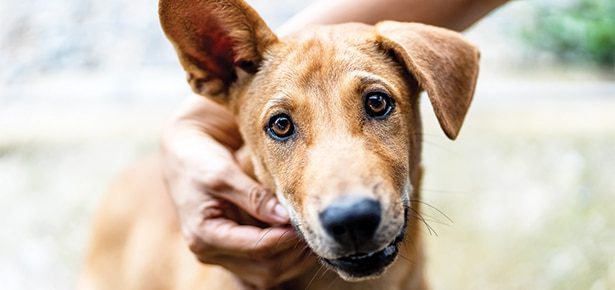
Every puppy experiences fear—that’s perfectly normal! Recognizing signs like a tucked tail, cowering, avoiding eye contact, or freezing helps you spot when your pup feels unsure. These subtle cues are your puppy’s way of saying, “I need a little extra help here.”
Your puppy’s early weeks—especially between 3 and 14 weeks old—are a critical socialization period. This is when they’re most open to new experiences, people, and environments. Later, natural fear stages might pop up, like during their first few months, when some things suddenly feel scary. Understanding these windows helps you support their confidence at just the right times.
To build puppy confidence effectively, focus on three core principles:
- Desensitization: Introduce your puppy gradually to new sights, sounds, and smells. Start slow and keep exposures mild so your puppy doesn’t feel overwhelmed.
- Counter-conditioning: Pair scary things with something your puppy loves—like tasty treats or gentle praise—so they start associating those triggers with positive experiences.
- Choice-based training: Always let your puppy choose if they want to interact or explore. Never force them into a situation. Giving your puppy a say builds trust and encourages brave behaviour.
By tuning into your puppy’s feelings and working patiently with these principles, you’ll help turn fear into fun and lay the foundation for a confident, happy dog.
Essential Training Aids and Tools
When building puppy confidence, having the right training aids makes a big difference. Start with high-value treats—soft, smelly options like chicken or cheese work wonders to motivate a fearful puppy. These treats help your pup focus and create positive associations during training sessions.
Clickers or marker tools are also valuable. They give precise feedback, so your puppy knows exactly when they’ve done something right. This clear communication speeds up learning and builds trust.
For mental engagement and solo confidence, use food-dispensing toys like Kongs or puzzle feeders. These encourage problem-solving and keep your pup’s mind busy, which helps reduce anxiety and builds resilience. Together, these tools form a solid foundation for positive reinforcement puppy training that turns fear into fun.
Top Confidence-Building Games and Exercises
Building puppy confidence is easier and more fun with the right games and exercises. These activities encourage curiosity, focus, and positive emotional responses, helping shy puppies become bolder over time.
-
Nose work and scent games
Hide tasty treats around the house or yard to encourage your puppy to explore and solve problems. This taps into their natural instincts and boosts mental confidence through success and discovery.
-
Target training
Teach your puppy to touch their nose to your hand or a specific object. This simple game helps redirect their attention away from scary triggers and improves focus. It’s a great tool for managing fear by offering a clear, positive task.
-
Tug and fetch variations
Play controlled tug-of-war or fetch sessions to build excitement and strengthen your bond. These games can motivate hesitant puppies to engage more eagerly with you and their surroundings.
-
Obstacle courses at home
Set up mini courses using tunnels, low jumps, or wobble boards. These help improve your puppy’s body awareness and give them success experiences, building physical and mental confidence in a safe space.
-
“Look at That” game
This technique rewards your puppy for calmly glancing at something that usually scares them—like a passing bicyclist or a loud noise—then looking back at you for a treat. Over time, it changes their emotional reaction and reduces fear.
Incorporating these exercises regularly helps turn nervous puppies into confident companions ready to face the world. For ongoing confidence-building, consider using gentle positive reinforcement methods and puzzle toys to keep their minds busy and happy. If you want advice on helping your puppy stay calm in stressful moments, you can also check out tips on how to keep dogs safe and comfortable in various situations.
Fun Aids for Specific Common Fears
Helping a fearful puppy feel safe and confident means using fun, gentle aids tailored to their specific worries. Here’s how you can tackle common fears with simple, positive tools:
| Fear Type | Fun Aids & Activities | Purpose |
|---|---|---|
| Noise Desensitization | Use sound playlists or apps with gradual volumes (thunder, vacuums, traffic) | Familiarize puppy with scary sounds slowly to reduce anxiety |
| Handling & Body Confidence | Play gentle touch games paired with tasty treats (petting paws, ears, mouth) | Prepare puppy for vet visits and grooming with calmness |
| Surface & Environment Exploration | Introduce textures like bubble wrap, rubber mats, gratings during playtime | Build comfort with new sensations and encourage curiosity |
| People & Stranger Socialization | Treat-tossing from visitors, avoid direct eye contact and reaching | Create positive associations with new people without pressure |
Quick Tips
- Start very slowly with noise desensitization — low volume and short sessions work best.
- Always pair handling and new surfaces with high-value treats to build trust.
- Let your puppy approach strangers at their own pace during socialization games.
Using these fun aids makes building confidence less stressful and more enjoyable, turning “fear” moments into chances for positive learning. For more on calming routines and gentle handling, check out helpful home remedies for common dog issues to keep your puppy relaxed and happy.
Advanced Tools for Ongoing Progress
Once your puppy starts gaining confidence, introducing advanced tools can keep building their skills and resilience. Agility-inspired props like low hurdles and balance discs are great for improving physical confidence and body awareness. These simple setups help puppies learn to navigate new challenges while having fun.
Flirt poles or chase toys are excellent for impulse control and giving your pup a joyful outlet for their energy. They encourage focus and quick thinking, which supports overall confidence in more stimulating environments.
Don’t forget relaxation protocols, such as mat training. Teaching your puppy to settle calmly on a mat in different places helps them manage stress and stay composed in new or overwhelming settings. This creates a strong foundation for ongoing growth and mental balance during training.
For ideas on keeping your puppy engaged and joyful throughout their training journey, check out these fun puppy enrichment activities at home that complement confidence building perfectly.
Tips for Success and Common Mistakes to Avoid
Building puppy confidence takes patience and care. Here are some key tips to keep in mind:
- Always work below threshold: Avoid pushing your puppy too far too fast. If they seem overwhelmed or shut down, dial back the exposure. The goal is gentle, gradual progress through desensitization and counter conditioning.
- Keep sessions short and positive: Puppies have short attention spans. Aim for 5 to 10-minute training or play sessions, and always finish on a happy, successful note. This keeps your puppy motivated and eager to try again.
- Track progress and celebrate small wins: Use a simple journal or app to note improvements, no matter how minor. Seeing progress over time helps you stay consistent and reinforces your puppy’s confidence building journey.
- Know when to seek help: If your puppy shows persistent, severe fear or reactivity that doesn’t improve, don’t hesitate to consult a qualified positive-reinforcement trainer or a behaviorist. Professional guidance can make all the difference in overcoming deep anxiety.
For more insights on helping your puppy understand the world safely and confidently, check out this helpful guide on how your dog sees the world.