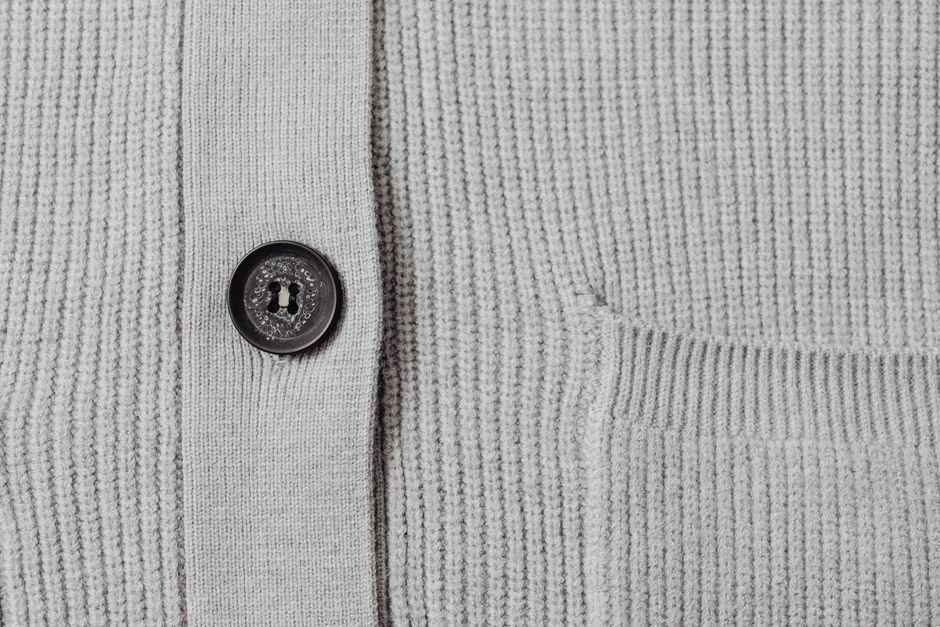
If you’re dropping $150+ on a fall sweater, you want it to last more than one season. Cashmere feels like a cloud. Merino wool performs like a workhorse. One pills within 10 wears. The other holds up for years. Here’s which one you should actually buy for fall 2026.
How Warm Is Cashmere vs. Merino Wool? The Real Numbers
Both fibers trap air to insulate. But the structure is different. Cashmere fibers are hollow — that’s why they feel lighter and softer than sheep’s wool. Merino fibers are solid and crimped, which creates more air pockets per gram.
Thermal Efficiency by Weight
Cashmere is about 2.5x warmer than standard sheep’s wool at the same weight. A 200g cashmere sweater keeps you comfortable down to about 45°F (7°C) with a base layer. Merino wool at 200g is roughly 1.8x warmer than standard wool — good down to 50°F (10°C) with a similar setup. For fall temperatures between 50-65°F, both work. Below 50°F, cashmere pulls ahead.
Moisture Management
Merino wicks sweat away from your skin. It can absorb up to 30% of its weight in moisture without feeling wet. Cashmere absorbs about 20% — fine for dry fall days, but not for active wear or damp weather. If you walk to work or layer for unpredictable weather, merino handles sweat better.
Bottom line: For stationary wear in cool, dry fall air — cashmere wins on warmth-to-weight. For active use or variable conditions — merino wins on moisture control.
Durability: Which Sweater Survives a Second Fall?
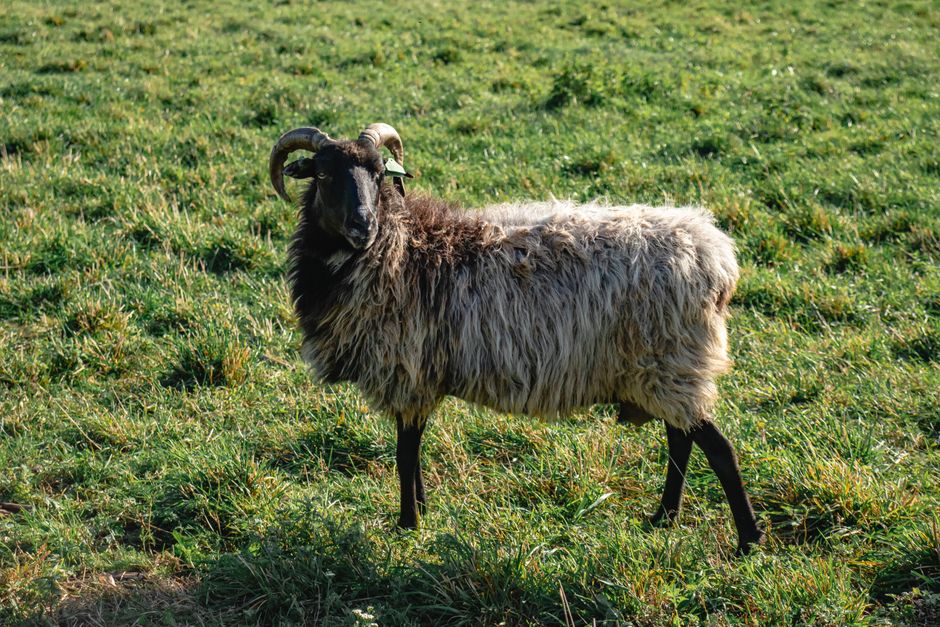
Here’s where the marketing falls apart. Cashmere is fragile. Merino is tough. That’s not opinion — it’s fiber physics.
| Property | Cashmere | Merino Wool |
|---|---|---|
| Fiber diameter | 14-19 microns | 17-24 microns |
| Tensile strength | Low (breaks under 10g force per fiber) | Moderate (15-20g force per fiber) |
| Pilling resistance | Poor — pills within 5-15 wears | Good — pills after 30+ wears with friction |
| Elastic recovery | Moderate — stretches out over a day | Excellent — snaps back after stretching |
| Typical lifespan (with care) | 2-3 seasons | 5-7 seasons |
Cashmere pilling isn’t a defect — it’s a feature of short, fine fibers. A $400 Brunello Cucinelli cashmere sweater will pill just like a $100 Naadam one. The difference is that premium brands often pre-shear the pills at the factory, so they look perfect in the store. After that, you’re on your own.
Merino wool from brands like Smartwool or Icebreaker uses longer, stronger fibers. A 200-weight merino crew neck ($110-$130) lasts three times longer than a comparable cashmere piece. The tradeoff: merino feels slightly scratchy against bare skin for some people.
Cost Per Wear: The Math That Matters
Let’s run the numbers. A decent cashmere sweater from Uniqlo costs $80. A mid-range merino from Wool& costs $98. Assume you wear each 30 times per fall season.
Cashmere scenario: After two seasons (60 wears), the cashmere shows noticeable pilling and thinning at the elbows. You replace it. Cost per wear: $80 ÷ 60 = $1.33 per wear.
Merino scenario: After five seasons (150 wears), the merino still looks presentable. Minor pilling, no holes. Cost per wear: $98 ÷ 150 = $0.65 per wear.
Merino costs half as much per wear. Even a luxury cashmere piece ($300 from Loro Piana or Johnstons of Elgin) only lasts 4-5 seasons if you baby it. That’s $300 ÷ 150 = $2.00 per wear — three times the cost of merino.
When NOT to Buy Cashmere (and Buy Merino Instead)

Cashmere is a poor choice for:
- Everyday work wear. Desk rubbing at the elbows destroys cashmere within weeks.
- Travel. Cashmere wrinkles, snags on zippers, and can’t be machine washed. Merino packs flat and can be washed in a sink.
- Outdoor activities. Even a light hike in a cashmere sweater creates friction under a jacket. Merino handles abrasion and sweat.
- Wet fall climates. Cashmere loses 70% of its strength when wet. Merino loses only 20%.
Buy cashmere only if: you wear it 1-2 times per week, you hand wash carefully, you don’t carry a bag over your shoulder, and you accept that it’s a short-term luxury — not an investment piece.
Which One Should You Buy for Fall 2026?
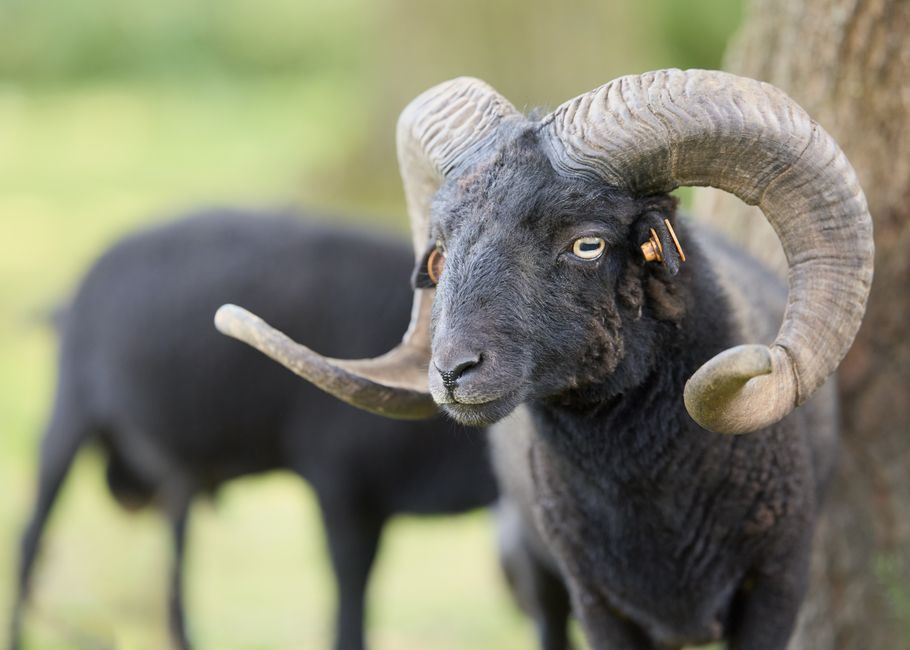
For most people, merino wool is the better buy. It lasts longer, costs less per wear, handles sweat and rain, and machine-washes without drama. A Smartwool Classic Thermal Merino Crew ($120) or Icebreaker Oasis 200 ($110) will outlast any cashmere sweater at the same price point.
Buy cashmere only if you value that specific softness above everything else — and you’re willing to pay $1.33+ per wear for it. A Naadam Essential Cashmere Crew ($95) or Everlane Cashmere Crew ($125) gives you the feel without the insane markup. Just know you’re buying a 2-3 year sweater, not a decade piece.
The single most important takeaway: Merino wool delivers 2x the durability for half the cost per wear — cashmere is a luxury feel you pay for every time you put it on.