Your dog leaves the house looking polished in a colorful harness, then slows down halfway through a June walk. At home, you find red skin behind the front legs, damp fur under the chest strap, or a raw patch where the fabric rubbed. The problem is rarely style alone. Heat, sweat, pressure, and a poor fit turn attractive dog gear into a skin-risk problem.
The safest approach is a short risk audit before buying. Check where the harness sits, how fast its lining dries, how much of the rib cage it covers, and what happens when your dog pulls. The prices below are manufacturer list prices visible in 2026 and may change by size, color, sale, or location.
Measure heat risk before choosing a style
Use a tape measure, not a breed guess
Measure the widest part of the rib cage with a soft tape, keeping it level and snug without compressing the coat. Take the measurement twice: once before a walk and again after your dog has moved for five minutes. A growing puppy, a dog with a thick summer coat, and a lean dog with prominent shoulder blades can all need different adjustments even at the same body weight. Breed labels are useful for browsing, but girth is the buying measurement.
Score the harness before you buy
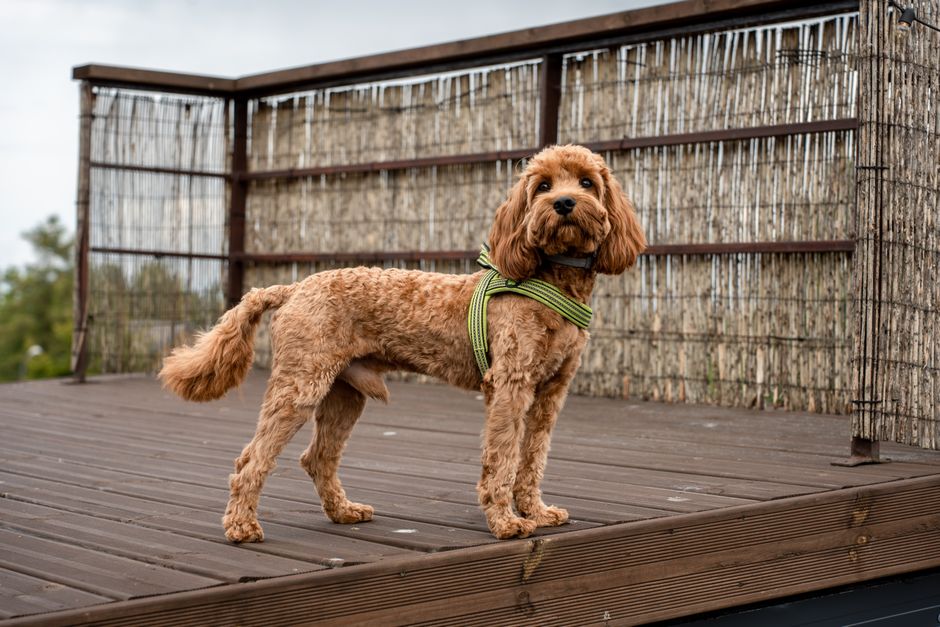
Give each candidate a simple five-part score: shoulder clearance, armpit clearance, drying speed, adjustment range, and visible edge softness. Reject any design that fails two categories. A good summer harness should leave roughly two fingers of space under the girth strap, stay behind the shoulder, and avoid seams that sit directly in the armpit. If the harness shifts more than 2 inches from side to side during a short indoor walk, the shape is wrong for your dog, even if the chest measurement falls inside the maker’s range. The clear verdict is to buy by movement and contact points, not by color or breed marketing.
Which stylish harness materials handle June best?
Material choice matters, but the cut matters just as much. Mesh can improve airflow, while foam can soften pressure; either material can still chafe when the harness rotates. Compare the practical details before comparing colors.
The material verdict
For hot, humid June weather, the Hurtta Casual Y-Harness ECO has the strongest material case because quick-drying neoprene reduces the time wet fabric stays against skin. For dogs that pull or change direction, the Blue-9 Balance Harness earns the practical win because more adjustment points can stop rotation. The Ruffwear Front Range is the strongest all-round choice when you want padding, visibility, and two leash positions in one harness.
How to fit and test a harness on a hot walk
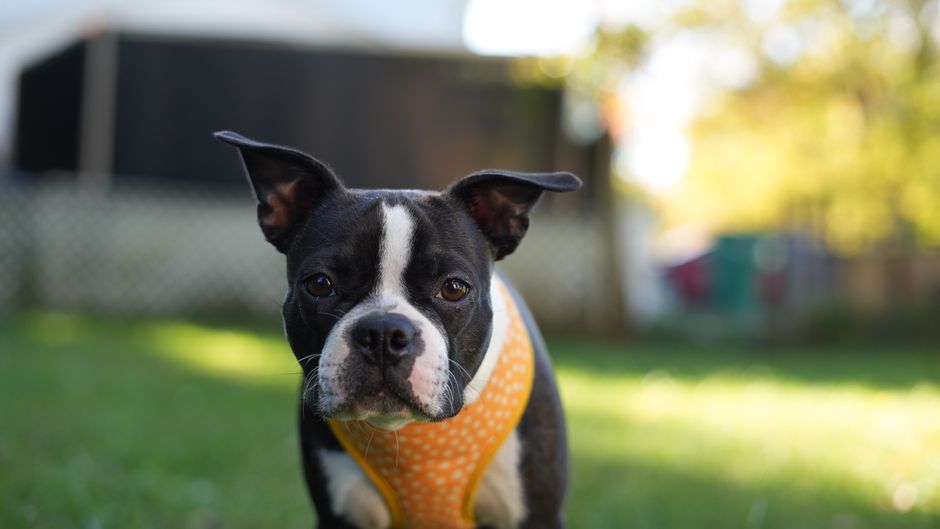
- Start with dry skin. Do not test a new harness immediately after swimming or bathing. Wet fur changes the way straps slide and can hide early redness.
- Set every adjustment loose. Put the harness on, then tighten each strap in small movements. Tightening only the belly strap often pulls the chest panel into the throat or armpit.
- Check the shoulder path. Ask your dog to walk, sit, turn, and step over a low object. The front edge should stay behind the shoulder joint and should not press into the neck when the leash lifts.
- Use the two-finger test. Slide two fingers under the girth strap. If you cannot move them freely, loosen the strap. If you can fit a full hand, the harness is too loose and may rotate.
- Run a 10-minute trial. Walk on a cool surface first. Stop after five minutes to inspect the armpits, sternum, and behind the elbows. Continue only if the skin looks normal and the dog moves naturally.
- Dry and inspect again. Remove the harness as soon as you return. Look for pink skin, broken hairs, damp patches, or a dog that licks one contact point. Any of these signs means the fit or design needs changing.
This test gives you more useful information than a product photograph. A harness that looks airy may still trap moisture in a fold. A padded harness may work well if it stays still. The winning design is the one that keeps its position through movement without creating a hot, wet edge.
My pick: the lightest useful harness wins
My strongest summer opinion is simple: choose the lightest harness that still gives your dog secure control. More fabric is not automatically safer. A large vest-style design may spread pressure well during pulling, but it can also cover more of the chest and hold more heat. A thin strap design can breathe better, but it may concentrate force and twist under tension.
Best for polished everyday outfits
For a dog that walks calmly and needs a coordinated look, the Blue-9 Balance Harness is my pick. Its slim profile leaves more coat and chest exposed, and the adjustment range makes it easier to keep the straps away from the armpits. The tradeoff is less padding than the Ruffwear model, so it is not my first choice for a powerful puller.
Best for active dogs in heat
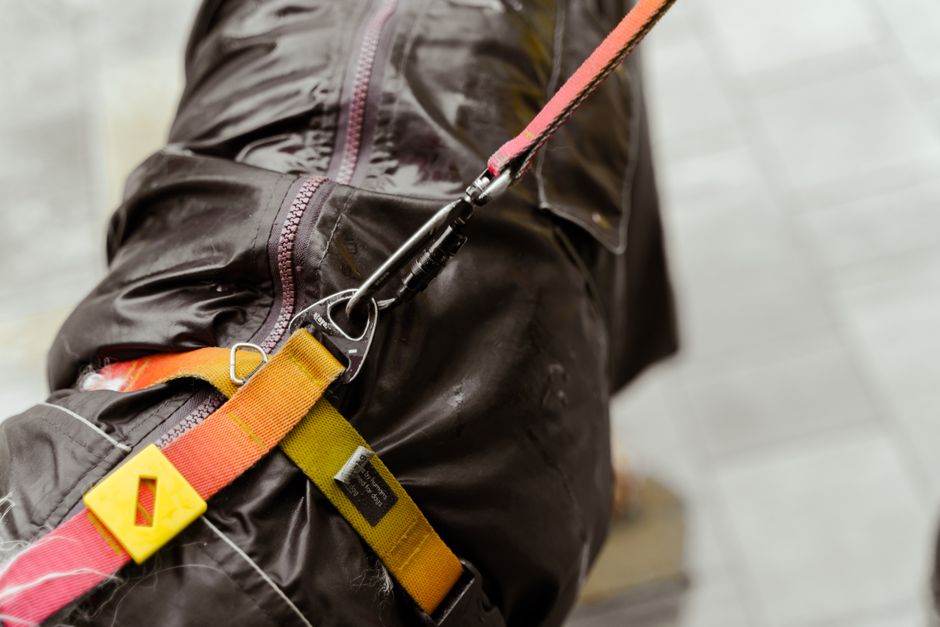
For hiking, longer walks, or a dog that needs front and back leash points, the Ruffwear Front Range Harness is the better choice. Its foam padding and mesh lining offer comfort, while the four adjustment points help keep the chest panel stable. The verdict is clear: select Ruffwear when movement control and durability matter more than the lowest heat coverage. Select Hurtta when a smaller dog needs a softer Y-shaped cut and faster drying after damp grass or water play.
Harness mistakes that create avoidable skin damage
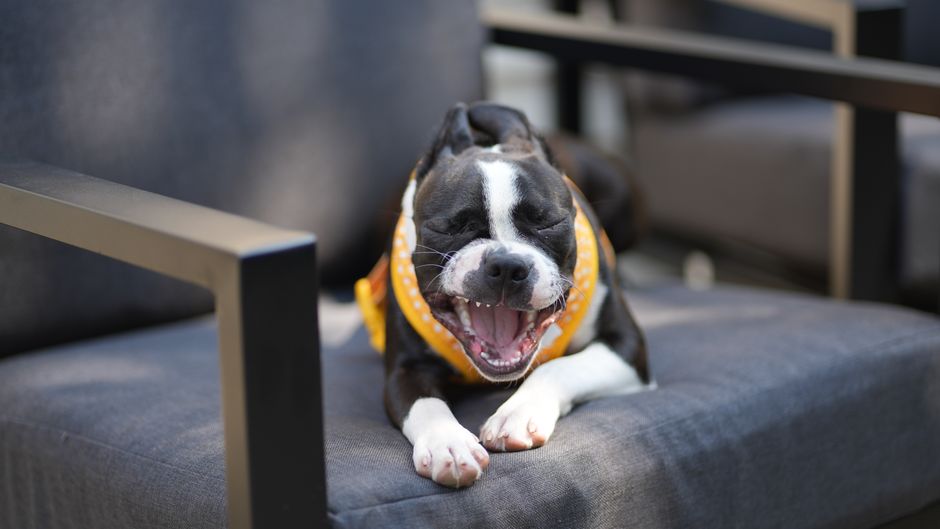
Common exclusions in the comfort promise
Treat a product page like an insurance disclosure. A harness has no AM Best financial-strength rating and no J.D. Power score, so seller badges do not prove hot-weather comfort. No manufacturer can promise zero chafing for every body shape. Warranty exclusions commonly include chewing, incorrect sizing, normal wear, and damage caused by washing outside the care instructions.
| Risk | What a harness may help with | What it cannot cover |
|---|---|---|
| Neck pressure | Moves leash force toward the chest and rib cage | It cannot stop a dog from pulling or prevent every injury |
| Heat rash | Breathable lining and stable fit can reduce rubbing | It cannot protect skin under a wet, dirty, or oversized strap |
| Escape risk | Correct adjustment can reduce backward slip | It cannot replace supervision, a secure leash, or a safety check |
What buyers often miss
Do not leave a harness on for hours because the dog seems comfortable at first. Do not wash it with heavily scented detergent and assume irritation came from the design. Do not size up simply because a larger size looks more fashionable. If you also carry pet insurance, premiums vary by state and individual factors; get multiple quotes and check heat-related exclusions before relying on coverage. State and city leash rules also vary, and some vehicle-restraint rules apply to dogs riding in cars, so check the local requirement before travel.
When to skip a harness and the final June verdict
When another option makes more sense
Skip a padded harness for a dog with a hot spot that has not healed. Use a clean, temporary walking setup recommended by your veterinarian instead of covering damaged skin. Skip a full-coverage vest for a brachycephalic dog that already struggles in heat, especially during midday exercise. A lightweight Y-harness may be a better short-walk option, but only if it stays clear of the throat and shoulders.
Skip any harness that your dog repeatedly scratches, freezes in, walks with shortened steps, or tries to remove. Those behaviors are evidence, not stubbornness. A collar may suit a calm dog for a brief, cool potty break, while a secure harness remains safer for longer walks or dogs that pull. The right tool changes with the route, weather, and the dog’s movement pattern.
The compressed verdict
For most stylish June outfits, choose the Blue-9 Balance Harness when precise adjustment and low fabric coverage are the priority. Choose the Hurtta Casual Y-Harness ECO for a small dog that needs a soft, quick-drying Y-shaped design. Choose the Ruffwear Front Range Harness for active dogs that need stable control, padding, and reflective details. Test any choice for 10 minutes, inspect the skin after removal, and return it if the harness shifts or leaves redness. Heat-safe style comes from a stable fit and fast drying, not from decoration alone.