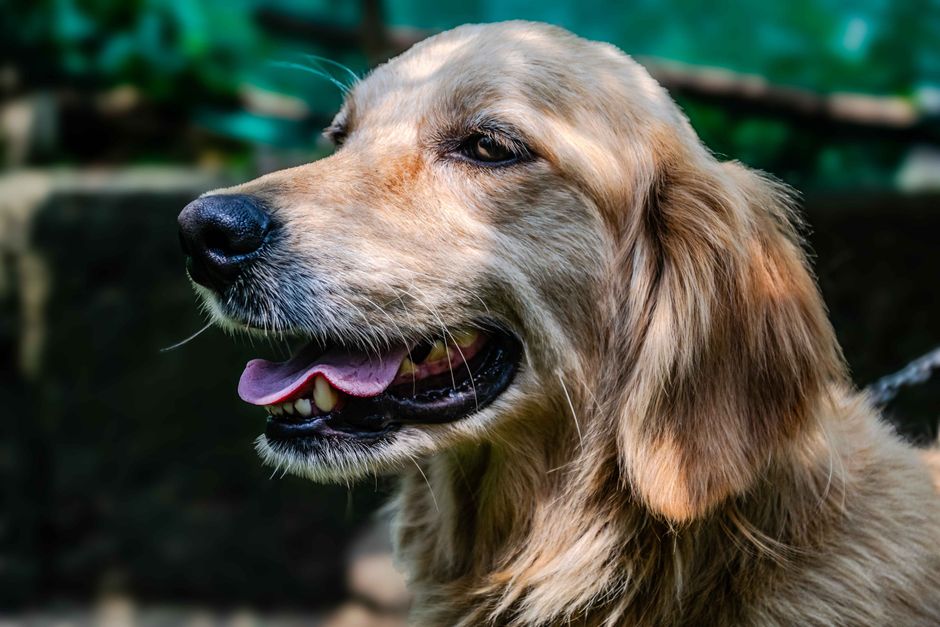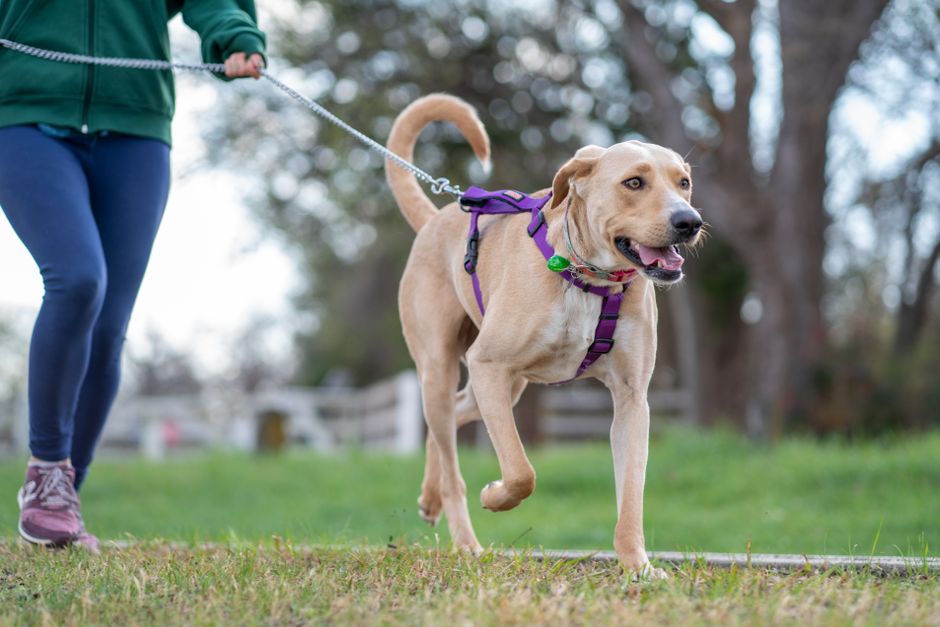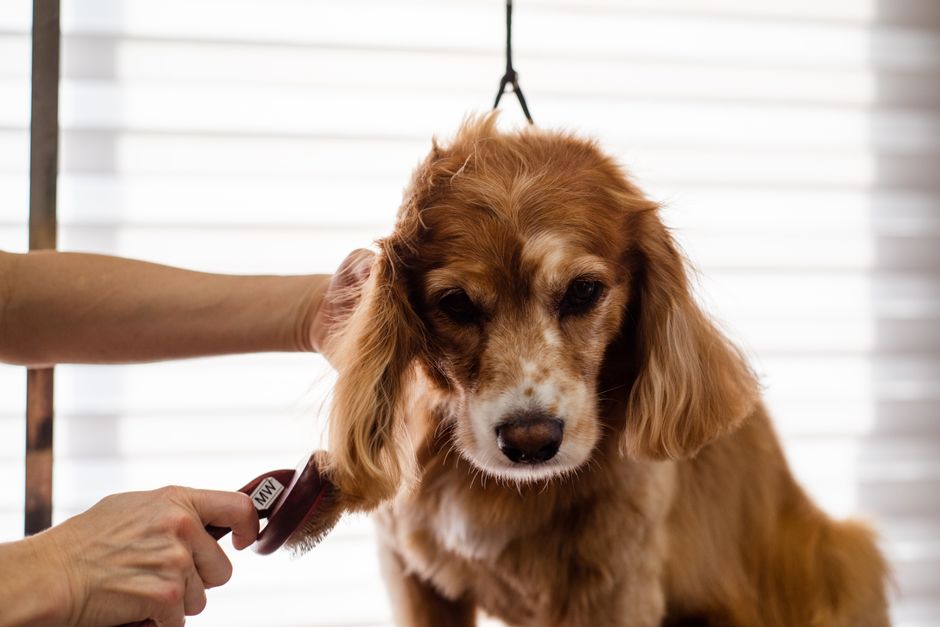
A long-haired dog can look dry on top while its undercoat stays damp for hours. That hidden moisture is where mats, skin irritation, and the familiar wet-dog smell start. After years of grooming spaniels, retrievers, and thick-coated mixes through cold weather, I have settled on one rule: winter grooming is mostly about managing moisture, not cutting the coat short.
Why Winter Coat Care Starts Before Bath Day
My strongest winter grooming opinion is simple: do not wait for a dirty coat before you act. Cold air dries the skin, indoor heating pulls out more moisture, and wet snow packs itself around the legs and belly. A long coat then traps everything close to the skin. The dog may look fluffy while small mats are forming underneath the chest, behind the ears, in the armpits, and between the back legs.
The undercoat is the real problem
Long-haired dogs do not have one uniform layer of hair. The guard coat sheds water and dirt, while the softer undercoat holds warmth. That design works outdoors, but it also holds dampness after a rainy walk or a rinse in the tub. If you brush only the visible surface, you can miss a tight mat sitting against the skin.
I check the coat with my fingers before reaching for a brush. If I cannot slide two fingers through the hair to the skin, I treat that area as a grooming task, not a cosmetic detail. Mats reduce airflow, pull on the skin, and make every later bath harder.
Why shaving is usually the wrong winter fix
Shaving a healthy double-coated or long-coated dog does not solve winter moisture. It removes insulation, exposes sensitive skin to cold and sun, and can leave the coat growing back unevenly. A tidy trim around the feet, sanitary area, and ears is useful, but I leave the main body coat long unless a veterinarian or professional groomer gives a medical reason to remove it.
The better fix is frequent brushing, careful drying, and smaller outdoor sessions during sleet or freezing rain. For most long-haired dogs, ten minutes of maintenance every day beats a painful two-hour rescue groom on the weekend.
How to Brush a Long-Haired Dog Without Breaking the Coat
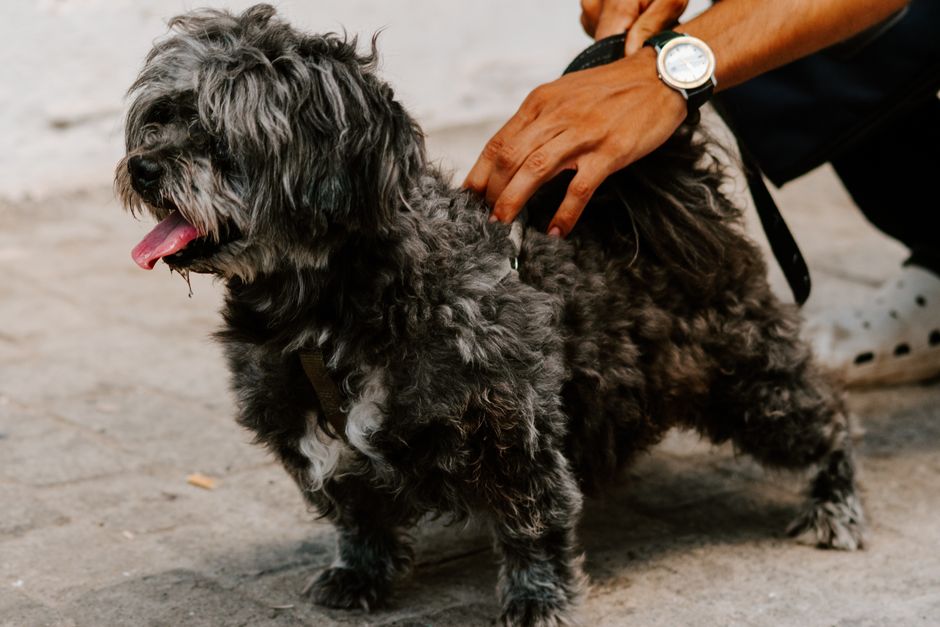
The best brushing method is slow, sectional, and close to the skin. Brushing from the top down makes the coat look neat while leaving hidden tangles untouched.
- Start with the problem zones. Check behind both ears, under the collar, around the elbows, at the tail base, and between the rear legs. These areas mat first because they receive friction and stay damp longest.
- Divide the coat into narrow sections. Lift the hair with one hand and work on a strip no wider than two inches. Begin at the ends, then move closer to the skin as the lower section becomes smooth.
- Use short strokes. Long, forceful pulls hurt the skin and snap hair. Three or four light passes are safer than one hard pass.
- Test each section with a comb. A brush can glide over a small knot. A metal comb shows whether you actually reached the skin. If the comb stops, do not yank it through.
- Loosen small tangles before bathing. Water tightens many mats. Use your fingers to split a small knot, then brush from the outer edge inward. Large, tight mats should go to a groomer rather than being cut out with household scissors.
- Finish with the feet. Trim only excess hair that touches the floor or forms packed snowballs. Inspect the pads for salt, grit, redness, and small cracks.
Brush before an outdoor walk if snow is expected, especially around the legs and belly. After the walk, let the coat dry enough to handle, then check those same areas again. That two-pass routine catches damp tangles before they harden.
A Winter Grooming Schedule That Prevents Mats and Cracked Paws
Winter care works best as a small repeating schedule. Bathing too often can dry the skin, but skipping all cleaning allows salt, road grit, and oily buildup to stay against the coat. This is the schedule I use for a healthy long-haired dog that spends time outdoors.
| Task | How often | What I check | My winter verdict |
|---|---|---|---|
| Quick coat and paw check | After every snowy or wet walk | Salt, ice balls, damp mats, redness | Non-negotiable |
| Sectional brushing | Daily, 5 to 15 minutes | Skin-level tangles behind ears and legs | Best mat prevention |
| Full comb-through | Two or three times weekly | Whether the comb reaches the skin | Essential for dense coats |
| Bath | Every 4 to 8 weeks, or when dirty | Oil, grit, odor, and skin dryness | Use warm water and dry fully |
| Paw balm inspection | Several times weekly | Cracks, licking, bleeding, tenderness | Increase care before damage starts |
Adjust the schedule for the coat, not the calendar
A fine, silky coat may need daily brushing but less frequent bathing. A dense, curly coat may need shorter outdoor trips and more frequent professional clipping. Snowy weather also changes the plan: a dog that walks on treated sidewalks needs its feet checked after every outing, while a dog that stays on clean private trails may need less washing.
Drying is part of grooming
Press water out with towels instead of rubbing the coat into knots. Keep the dog in a warm room and brush in small sections as the coat dries. Never leave a thick undercoat damp overnight. If your dog fears a high-velocity dryer, start with the lowest setting, keep the nozzle moving, and stop before the dog becomes frantic.
Which Winter Grooming Tools Earn Their Place?
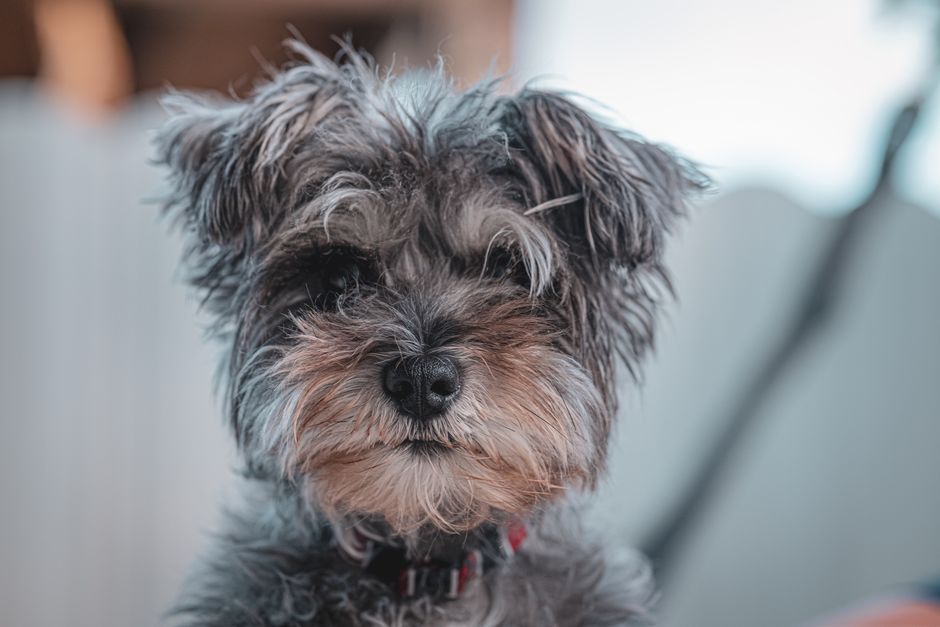
I have bought plenty of grooming tools that looked clever and ended up in a drawer. The useful ones are simple: a brush that reaches the undercoat, a comb that proves the coat is clear, gentle shampoo, and something that protects the pads.
Is a slicker brush or undercoat rake better?
For most long-haired dogs, I choose a medium slicker brush first. The Chris Christensen Big G Slicker Brush, usually around $60, has long angled pins that reach dense coat without the harsh feel of many cheap rakes. It costs more, but it lasts and makes daily brushing faster. For a smaller budget, the Hertzko Self-Cleaning Slicker Brush is often about $25 and works well on moderate coats, though its pins may not reach a very dense undercoat.
I skip aggressive undercoat rakes for silky coats because they can pull healthy hair and leave thin patches when used with too much pressure. A wide-tooth metal comb is the better second tool. It costs less, reveals hidden knots, and helps you decide when brushing is finished.
Which shampoo and paw protector make sense?
For a routine bath, Earthbath Oatmeal and Aloe Shampoo in the 16-ounce bottle usually costs about $18. It is a sensible choice for a dog with normal or mildly dry skin, but it will not treat a rash, infection, or constant itching. Stop experimenting with shampoos and call a veterinarian when the skin is red, smelly, sore, or producing flakes that return quickly.
For paws, Musher’s Secret 60-gram balm costs about $17 and creates a waxy barrier against salt, snow, and rough pavement. Apply a thin layer before the walk, then wipe the feet afterward. Thick layers collect grit. For dogs that already have cracked pads or bleeding, balm alone is not enough.
My Winter Kit Verdict: What I Would Buy and Skip
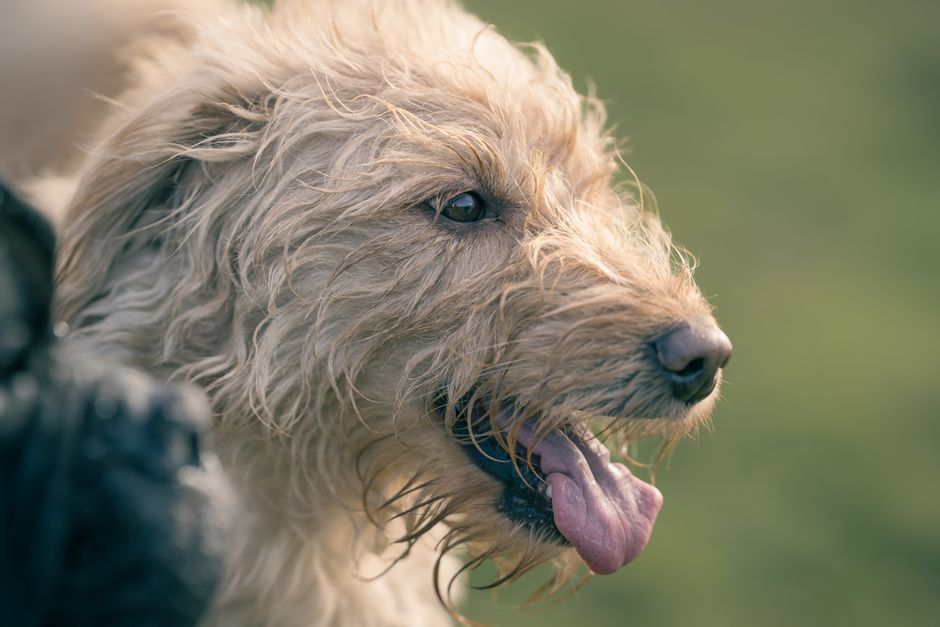
If I were starting from zero, I would buy one medium slicker brush, one metal comb, a gentle dog shampoo, a towel stack, and a small paw balm. That kit handles most healthy long-haired dogs without turning grooming into a shelf full of gadgets.
For daily brushing
My pick is the Chris Christensen Big G Slicker Brush at roughly $60 because its long pins reach through thick coat and its large head covers ground quickly. If that price feels excessive, buy the Hertzko Self-Cleaning Slicker Brush for about $25, but spend more time checking with a comb. I would skip rotating-pin brushes for serious mat prevention; they feel smooth but often glide over the exact knots you need to find.
For bathing and paws
Earthbath Oatmeal and Aloe Shampoo at about $18 is my practical bath choice for ordinary winter dirt. Musher’s Secret at about $17 is my paw choice for salt and dry pavement. I would not buy a heavily perfumed shampoo to cover odor, and I would not buy insulated dog boots unless the dog actually tolerates them and the route has severe ice or chemical salt. Ruffwear Polar Trex boots, often around $129 for a set, can protect paws well, but a dog that repeatedly refuses to walk in boots is better served by shorter routes, rinsing, and balm.
The specific recommendation is this: for a long-haired dog with a normal coat, brush daily in sections, comb twice a week, bathe every four to eight weeks, dry the undercoat completely, and protect the paws before salty walks. Start with the Chris Christensen Big G, a metal comb, Earthbath shampoo, and Musher’s Secret; that combination gives the best balance of coat safety, winter protection, and practical cost.