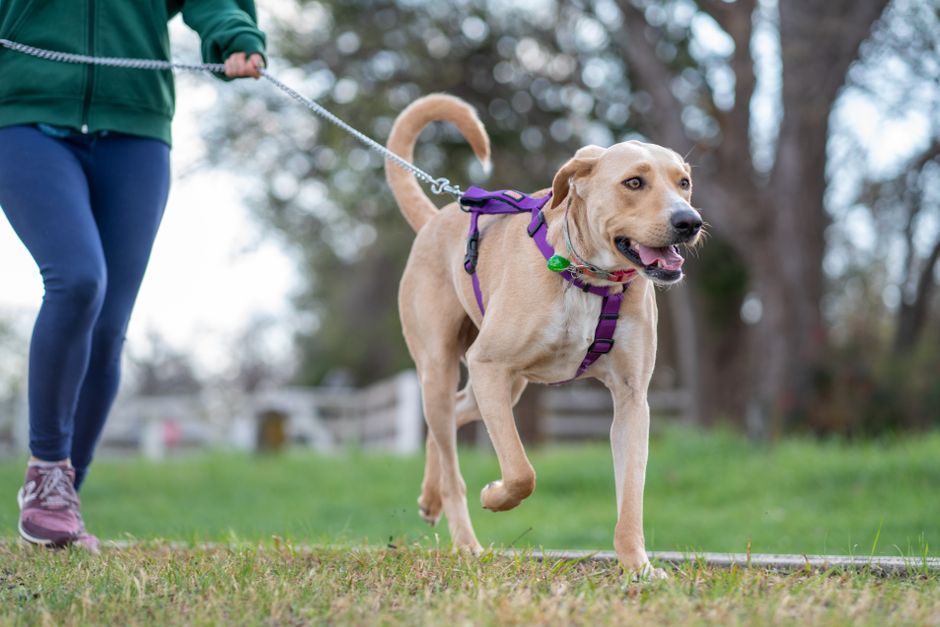
A lightweight harness does not automatically keep a dog cool. Picture a warm June evening: your dog pulls toward the park, starts panting after two blocks, and the harness leaves a damp outline across the chest. The gear feels light in your hand, yet your dog still looks uncomfortable.
Weight matters, but coverage, fit, walking time, coat type, and air temperature matter more. The best lightweight pet harnesses reduce rubbing and trapped heat while giving you enough control to stop sudden lunges. The wrong one can slide sideways, pinch behind the front legs, or encourage you to walk for too long because the fabric looks breathable.
Why a light harness can still make a dog overheat
Weight is only one heat variable
A harness affects comfort through the amount of material touching the body, the size of its chest panel, and the space it leaves around the armpits. A thin fabric panel can still trap warmth if it covers most of the rib cage or sits tightly against a thick coat. Heavy padding adds weight, but a broad, dense panel creates the bigger summer problem: it limits airflow over the chest and holds moisture after panting, rolling, or splashing through wet grass.
Dogs cool themselves mainly through panting and blood flow near the skin. A harness cannot cause heat stress by itself, but it can add discomfort when the dog already faces hot pavement, humid air, direct sun, or a long uphill route. That is why a lower number on a product description never replaces a short, shaded walking plan.
The walk is part of the harness choice
For a five-minute bathroom trip, a simple, narrow harness may work well. For a 45-minute park loop, you need stable straps, a leash connection that does not twist, and material that dries quickly. Start June walks before 9 a.m. or after the pavement cools in the evening. Touch the ground with the back of your hand for seven seconds; if it feels too hot for your skin, choose grass or shorten the route. The winning setup combines light coverage with sensible timing.
How to choose breathable coverage without losing control
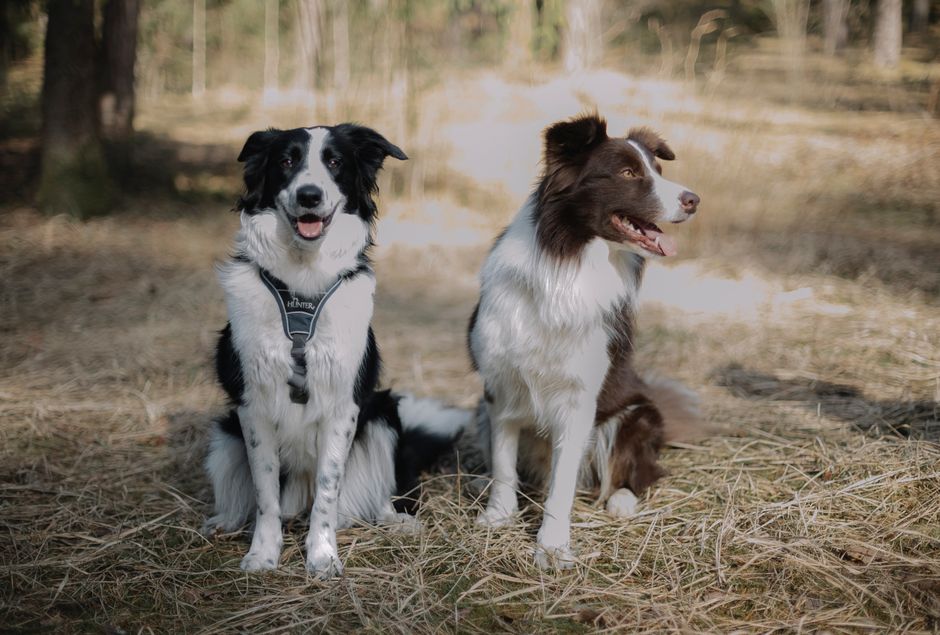
Start with the rib cage, not the size printed on the package
Measure around the widest part of the rib cage, just behind the front legs, while your dog stands naturally. Write down the number in inches and centimeters. Breed labels do not solve sizing because a narrow Whippet, deep-chested Labrador, and compact French Bulldog can all weigh 25 pounds and need different shapes.
- Measure the girth twice and use the larger result.
- Check the manufacturer’s size range instead of guessing from weight.
- Choose the larger size when your measurement sits between two ranges, then adjust the straps.
- Look for soft edges and a clear gap behind each front leg.
- Pick a back ring for calm walking and a front connection when you need more steering control.
Look for airflow where the body bends
Breathable design means more than mesh. Inspect the area behind the elbows, across the sternum, and under the belly. Those are the places where a moving dog creates friction and heat. Narrow webbing can stay cooler, but it needs padding or a smooth finish where it crosses sensitive skin. Open mesh can dry fast, yet loose mesh may catch claws or stretch when a dog lunges.
For warm June walks, I prefer a harness with limited chest coverage, four or more adjustment points, and no thick layer running across the entire back. That combination gives a dog room to move without turning the harness into a small vest.
What fit test stops rubbing and escape attempts?
How tight should a warm-weather harness feel?
Use the two-finger test as a starting point: slide two fingers under the strap at the chest and shoulder, then ask your dog to walk, sit, and turn. The strap should stay close to the body without pressing into the skin. If you can pull the harness over the shoulders or rotate it more than an inch to either side, the fit is too loose. If the dog takes shorter steps, scratches at one spot, or develops pink skin under the front legs, loosen the strap or change the shape.
Do not judge fit while the dog stands still. Movement changes the pressure points. Watch the harness during a slow figure eight, a step over a curb, and a gentle backward step. The chest piece should follow the body instead of climbing toward the throat.
How do you check for a summer failure?
Attach the leash, hold it with light tension, and ask your dog to move forward. Then check that the harness does not slide toward the neck. Try one careful reverse step; a dog should not be able to back out by pulling the shoulders free. After ten minutes, remove the harness and inspect the skin. Heat, damp fur, red lines, and flattened hair show where the design needs adjustment.
The most expensive mistake is buying a cool-looking harness that fits only when the dog is standing still. A secure fit protects comfort, control, and the money in your wallet.
My June pick: simple coverage beats a padded vest
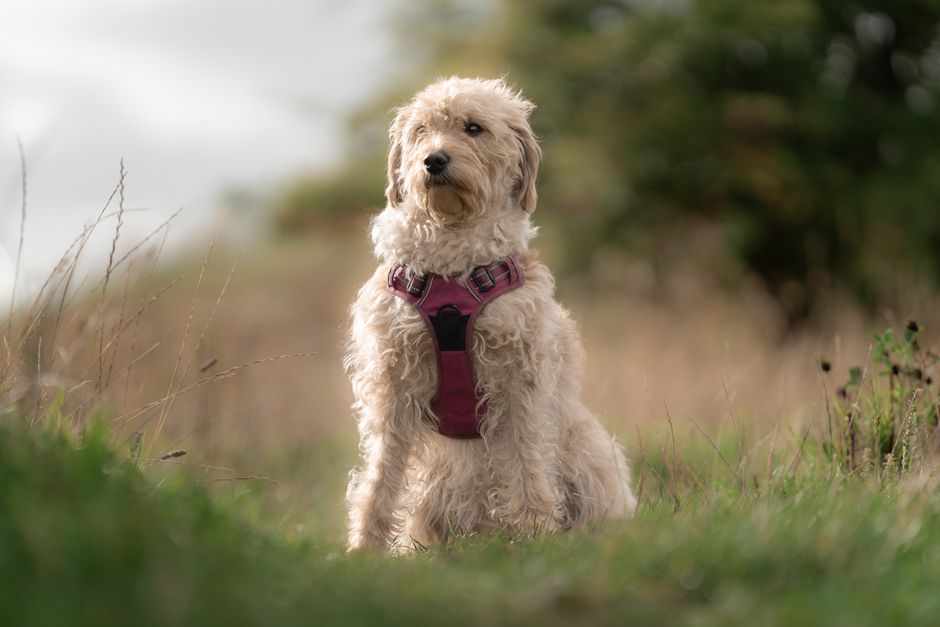
Choose less material for ordinary city walks
Its small, simple layout suits a dog that walks calmly and does not need a lifting handle. It also gives a polished look without making the harness the outfit.
Its size chart lists a Small for a 13–24-inch chest, Medium for 14–30 inches, Large for 15–42 inches, and XL for 16–51 inches. I would choose it for a dog that moves between sidewalks and easy trails, provided the broad size ranges still produce a snug fit.
Pay for structure when pulling creates a real problem
Minimal gear has limits. A strong puller, nervous escape artist, or dog that needs help over uneven ground may need more support. Extra straps and a handle add weight, but they can improve control and reduce the chance of a dog slipping out. Do not buy the lightest design just to win a scale comparison. Buy the lightest design that stays secure through the actual walk.
For fashion-conscious owners, color and reflective trim can add style without adding bulk. A bright harness also makes a small dog easier to spot at dusk. The verdict is simple: choose a light, low-coverage design for relaxed routes; choose stability first when behavior or terrain demands it.
When should you skip a lightweight harness?
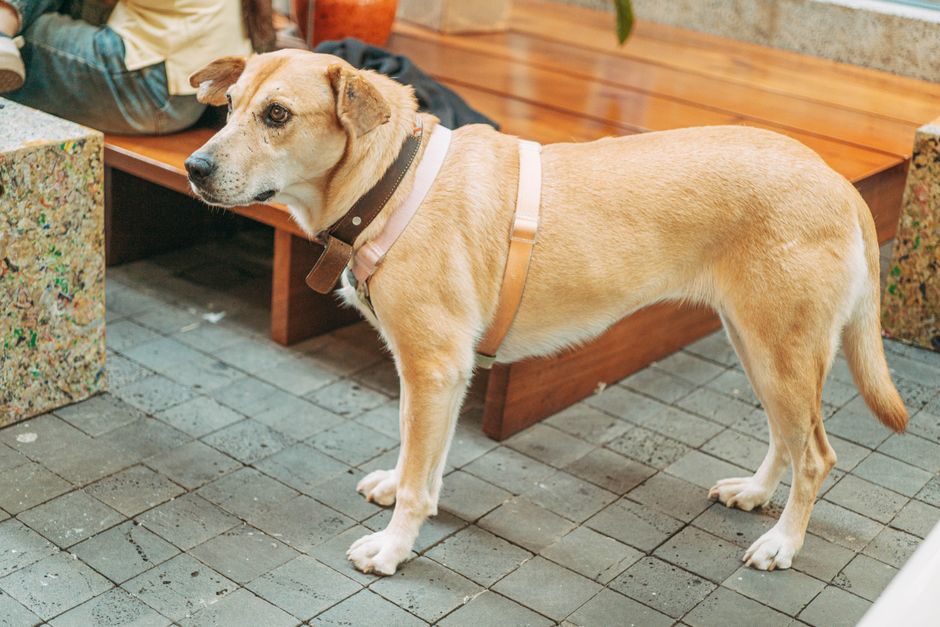
Do not buy one for the wrong problem
- Skip a minimal harness if your dog can reverse out of it during a calm test.
- Skip any model that rubs the armpits after ten minutes, even if the color looks perfect with a summer outfit.
- Skip long midday walks when the pavement, humidity, or direct sun already creates a heat risk.
- Skip a harness that hides your dog’s ID tag or blocks a secure collar backup.
- Skip a lightweight model for car restraint unless the maker clearly states that it passed crash testing.
Choose another solution when the season demands it
A collar may suit a calm dog on a brief, cool bathroom trip. A more supportive harness may suit a strong puller, a dog with a narrow head, or a route with steep steps. A cooling vest addresses heat in a different way, but it does not replace leash control or solve poor fit. Dogs with short muzzles, heart problems, breathing trouble, or previous heat illness need shorter walks and veterinary guidance rather than a thinner piece of gear.
The main failure mode is treating a harness as permission to keep walking. If your dog pants heavily, slows down, seeks shade, drools more than usual, becomes weak, vomits, seems confused, or collapses, stop the walk and seek veterinary help. A cheap, light harness cannot make an unsafe route safe.
How to use a lightweight harness on a hot June walk
A five-minute pre-walk routine prevents most mistakes
- Measure the girth again if your dog gained weight, lost weight, or changed coat length.
- Check every buckle, stitch, ring, and adjustment point for damage.
- Fit the harness indoors, then walk ten steps before leaving.
- Pack water and choose shade, grass, or a route with indoor cooling stops.
- Start with a 15–20 minute walk and reassess your dog before adding distance.
Keep the harness clean because salt, dirt, and wet fur increase rubbing. Follow the maker’s care instructions, rinse off sweat or mud, and air-dry the material completely before the next walk. Never leave the harness on for hours simply because your dog looks stylish in it.
The final recommendation
Choose the Wilderdog Dog Harness when you need mesh, two leash positions, and a handle for easy trails. That is the best balance of cool comfort, control, and practical summer style.