You got the invite. It says “black-tie optional.” Now you’re staring at your closet, wondering if that means floor-length gown, knee-length cocktail dress, or something in between. The short answer: a cocktail dress is almost always the right call. But not just any cocktail dress.
Here’s the thing about black-tie optional in 2026. Most hosts use it as a safety net. They want formal energy without forcing every guest to rent a tux or buy a gown. For women, that means elegant cocktail attire works. But you need to nail the fabric, length, and silhouette. Below are seven styles that consistently hit the mark.
Why Cocktail Dresses Beat Gowns for Black-Tie Optional
Gowns are a gamble. Show up in a full sequin ballgown to a black-tie optional wedding where half the men are in dark suits, and you’ll feel overdressed. Show up in a basic work dress, and you’ll look like you missed the memo. A well-chosen cocktail dress splits the difference perfectly.
The key is elevation. A cocktail dress becomes black-tie optional appropriate when it has at least one formal element: luxe fabric, structured tailoring, a dramatic neckline, or a longer hemline. Think midi over mini. Think silk over cotton. Think jewel tones over neons.
You’re aiming for “intentionally dressed up” without looking like you’re attending the Met Gala. That’s the sweet spot.
The 7 Cocktail Dress Styles That Work
1. The Satin Slip Dress
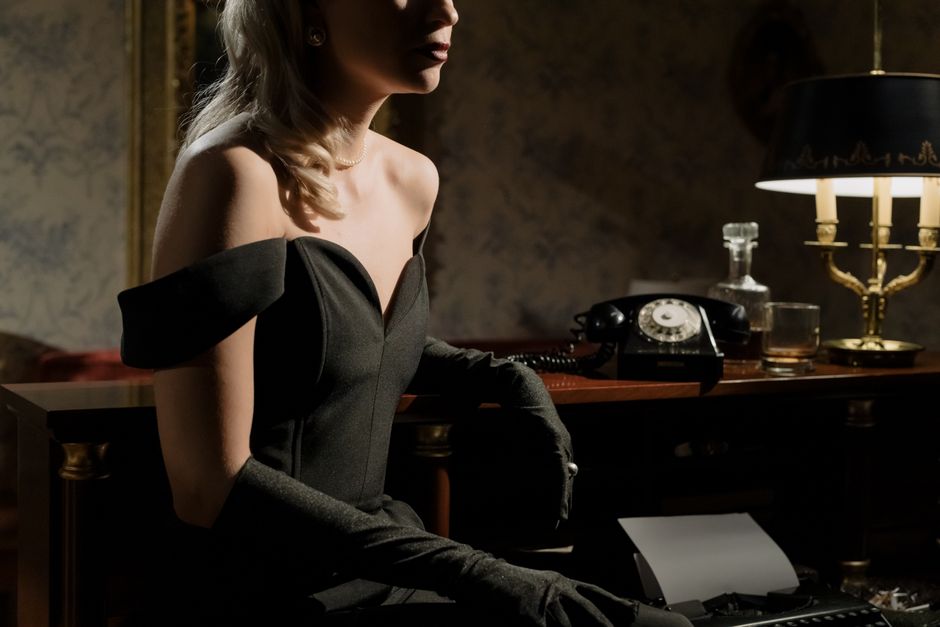
The satin slip dress is the easiest win. It’s simple, elegant, and reads as formal without trying hard. Look for bias-cut silk or high-quality satin (not cheap polyester that shines like a trash bag). A midi length satin slip in champagne, emerald, or black is a workhorse for any black-tie optional event.
The Reformation Layla Silk Dress ($328) is a solid pick. Real silk, bias cut, hits mid-calf. For a budget option, the Quince Washable Silk Slip Dress ($99) works surprisingly well. It’s not as luxe as Reformation, but the drape is right and it survives a dinner without wrinkling into a disaster.
Verdict: If you buy one dress for black-tie optional events, make it this. It’s the most versatile option on this list.
2. The Structured Midi with a Statement Neckline
Some venues call for more structure. A tailored midi dress with a sweetheart, square, or asymmetric neckline gives you architectural polish. The structure does the work for you—no need for heavy jewelry or complicated styling.
The Abercrombie & Fitch Sculpted Squareneck Midi Dress ($120) is shockingly good for the price. Thick fabric, boning in the bodice, and a neckline that photographs beautifully. For something more elevated, the Norma Kamali Diana Midi Dress ($190) in a jewel tone is a classic.
This style works especially well for indoor hotel ballrooms and formal weddings. The structure reads as “intentional” in a way flowy dresses sometimes don’t.
3. The Velvet Column Dress
Velvet is the cheat code for black-tie optional. It’s inherently formal. A simple column silhouette in velvet looks expensive even at a lower price point. Stick to deep colors: burgundy, forest green, navy, black. Avoid bright red velvet unless you want to look like a holiday decoration.
The Anthropologie Velvet Column Maxi Dress (around $180) is a reliable option. It’s technically a maxi, but the column shape reads more like an elongated cocktail dress than a gown. For petites, the Lulus Timeless Velvet Midi Dress ($68) hits at a flattering length.
Velvet works best for fall and winter events. Save it for October through March.
4. The One-Shoulder Cocktail Dress
One-shoulder silhouettes are having a moment in 2026, and they translate beautifully to formal events. The asymmetry adds drama without requiring much accessorizing. You can skip a necklace entirely—the neckline is the statement.
The Bec + Bridge Cadence One Shoulder Midi ($260) is a favorite. It’s fitted without being tight, and the fabric has enough weight to hold its shape through a full evening. For a lower price point, the Showpo Ayla One Shoulder Dress ($75) works for a single event.
One-shoulder dresses are ideal for black-tie optional because they’re clearly not office wear. They signal “special occasion” instantly.
5. The Embellished or Beaded Cocktail Dress
If the event skews more formal—think black-tie optional where the couple actually wants people in black tie—an embellished cocktail dress is your best bet. Beading, sequins, or metallic threading pushes a shorter dress into formal territory.
The Rixo Della Embellished Midi Dress ($365) is a splurge, but the beading is done right. No loose threads, no cheap plastic shine. For something more affordable, the ASOS Design Embellished Midi Dress (around $120) photographs well but requires careful handling.
Warning: cheap beading falls apart. If you’re buying under $100, inspect the seams and beading before you commit. Nothing kills an elegant look faster than beads dropping off mid-event.
6. The Tailored Jumpsuit (Yes, It Counts)
A tailored jumpsuit in a formal fabric is a legitimate cocktail alternative. It’s modern, comfortable, and reads as fashion-forward. The key is tailoring. A sloppy jumpsuit looks like pajamas. A well-cut one in crepe or satin looks sharper than most dresses.
The Reiss Alexa Wide Leg Jumpsuit ($325) is the standard. Clean lines, premium crepe, and a waist definition that flatters most body types. For a budget option, the Everlane The Wide-Leg Jumpsuit ($148) works if you get it hemmed properly.
Jumpsuits are polarizing. Some hosts love them. Some traditionalists side-eye them. If the event is a wedding with a very traditional crowd, stick with a dress. If it’s a gala or modern venue, jumpsuit all the way.
7. The High-Neck Halter Dress
High-neck halter dresses offer coverage up top while still feeling formal and elegant. They’re especially good for events where you want to feel secure and polished without showing much skin. The silhouette reads as sophisticated, not conservative.
The Vince Camuto High Neck Halter Midi Dress ($138) is a solid mid-range pick. The fabric drapes well, and the high neck balances a fitted waist. For a more dramatic option, the Mac Duggal Embellished Halter Cocktail Dress ($398) brings the formal energy with beaded details.
This style works for almost any venue, from country club weddings to city gallery openings. It’s one of the safest choices on this list.
Fabric Rules That Separate Elegant from Cheap
Fabric is where most black-tie optional outfits go wrong. A great silhouette in cheap fabric still looks cheap. A simple silhouette in great fabric looks expensive.
Fabrics that work: silk, satin (quality), velvet, crepe, chiffon, lace, brocade, and high-end jersey. Fabrics to avoid: basic cotton, casual linen, stretchy ribbed knits, and anything with visible elastic waistbands.
Here’s a quick reference for what to look for at different price points:
| Price Range | Fabrics to Expect | Red Flags | Best Brands |
|---|---|---|---|
| Under $100 | Polyester satin, stretch crepe, basic chiffon | Visible shine, thin fabric, loose threads | Lulus, Showpo, ASOS Design |
| $100-$250 | Better polyester, viscose blends, some real silk blends | Wrinkling easily, cheap zippers | Abercrombie, Everlane, Quince |
| $250-$500 | Real silk, quality velvet, structured crepe | Poor lining, uneven beading | Reformation, Bec + Bridge, Reiss |
| $500+ | Premium silk, hand-beaded details, designer fabrics | Usually none if buying from reputable brands | Norma Kamali, Rixo, Mac Duggal |
One more rule: check the lining. An unlined dress clings, rides up, and shows every seam. A lined dress hangs properly. At minimum, the bodice should be lined.
Length and Silhouette: What Actually Flatters
Black-tie optional gives you length flexibility. But there are limits. Mini dresses are risky—too casual for most formal events. Floor-length gowns are safe but can feel like overkill if the crowd skews more casual. The sweet spot is midi length: below the knee, above the ankle.
For silhouettes, consider your body type and what makes you feel confident. A-line and fit-and-flare shapes flatter most figures and move well. Column dresses elongate. Slip dresses skim. Bodycon works if you’re comfortable, but choose a heavier fabric so it doesn’t look like clubwear.
Petite? Avoid overwhelming volume. A simple column or sheath midi will serve you better than a full-skirted ballgown shape. Tall? You can carry longer lengths and wider silhouettes without being swallowed.
The goal is balance. If the dress is fitted on top, go slightly fuller on the bottom. If it’s flowy throughout, add structure with a belt or tailored jacket.
Common Mistakes That Ruin Black-Tie Optional Looks
Most people don’t fail because they picked the wrong dress. They fail because of execution. Here are the mistakes I see repeatedly.
- Wearing a work dress. If you’d wear it to the office, it’s not formal enough. Black-tie optional is still formal. Elevate everything.
- Ignoring the venue. A satin slip dress at a beachfront ceremony? Fine. At a grand hotel ballroom? It can work, but you might feel underdressed. Match the dress to the setting.
- Over-accessorizing. A statement dress needs minimal jewelry. A simple dress can handle more. Don’t do both statement dress and statement jewelry.
- Wrong shoes. Strappy heels or elegant pumps. No chunky platforms, no casual sandals, no sneakers. Even “fashion” sneakers kill the formal energy.
- Waiting until the last minute. Good cocktail dresses sell out fast during wedding and holiday season. Start looking at least 6 weeks before the event.
Fix these execution problems, and even a $75 dress can look appropriate. Ignore them, and a $500 dress can still miss the mark.
How to Choose for Your Specific Event
Not all black-tie optional events are equal. A wedding in a barn with black-tie optional on the invite is very different from a museum gala with the same dress code. Use these quick guidelines.
What type of event is it?
Weddings: err slightly more conservative. Avoid anything too revealing or attention-grabbing. Galas and fundraisers: you can be more fashion-forward. Cocktail parties and holiday events: elegant but less formal than weddings.
What time is the event?
Evening events call for darker colors and richer fabrics. Afternoon events can handle lighter colors and softer fabrics. A 2pm black-tie optional wedding is different from a 7pm one.
What does the venue suggest?
Outdoor venues: avoid anything that will drag in grass or blow in wind. Indoor venues: you have more flexibility. Historic venues: classic silhouettes work best. Modern venues: contemporary cuts feel right.
When in doubt, ask the host. A quick text—”Is this too casual?” with a photo—takes 30 seconds and saves you from a full evening of feeling uncomfortable.
Final Verdict: The One Dress to Buy First
If you’re starting from zero and need one dress that works for almost any black-tie optional event, buy a midi satin slip dress in a dark neutral or jewel tone. The Reformation Layla if you can swing $328. The Quince Washable Silk Slip Dress if you want to stay under $100.
It’s the most flexible option. Dress it up with heels and statement earrings for formal events. Add a tailored blazer for more conservative settings. It works across seasons, venues, and years. That’s the point—black-tie optional shouldn’t require a new dress every time.
But if your event skews formal, invest in velvet or embellished. If it skews casual, the structured midi or one-shoulder works better. Match the dress to the specific event, not just the dress code on paper.
You got the invite. Now you know exactly what to wear.