Most people fail at building a sustainable wardrobe because they try to replace everything at once. They purge their closet, buy a bunch of beige basics from an “ethical” brand they saw on Instagram, and three months later half of it is pilling and the other half doesn’t fit their actual life. I’ve done this. Twice.
The better way is slower and less photogenic: wear what you own, identify what you actually reach for, and swap items one at a time as things wear out. This guide covers the swaps that matter most, the brands worth your money in 2026, and the mistakes that waste both cash and good intentions.
The Real Cost of Fast Fashion (And Why Price Tags Lie)
A $12 t-shirt isn’t $12. The cost got moved somewhere else — usually to a factory worker in Bangladesh making $3 a day, or to a landfill in Ghana where textile waste is piling up faster than it can decompose. The fashion industry produces roughly 100 billion garments annually, and about 30% are never sold. They get incinerated or dumped.
When I started tracking cost-per-wear, the math changed how I shop. A $12 shirt worn 5 times before it loses shape costs $2.40 per wear. A $45 shirt from Pact worn 80 times costs $0.56 per wear. The cheap shirt is actually four times more expensive over its life.
What “Sustainable” Actually Means in 2026
The term has been abused so badly that the EU passed stricter greenwashing rules. A brand saying “eco-friendly” without specifics means nothing. Look for three things:
- Material specifics: GOTS-certified organic cotton, recycled nylon (like ECONYL), Tencel lyocell, or traceable wool. Vague terms like “natural fibers” are a red flag.
- Factory transparency: Brands like Everlane and Patagonia publish their factory lists. If a brand won’t tell you where clothes are made, assume the worst.
- Third-party verification: B Corp certification, Fair Trade, or ratings on the Good On You app. A brand’s own “sustainability report” is marketing, not proof.
I check the Good On You app before buying anything now. It takes 30 seconds and has stopped me from buying from brands with terrible labor practices more times than I can count.
Swap #1: The White T-Shirt (Your Most-Worn Item)

If you’re going to spend money on one sustainable swap, make it the thing you wear most. For most people, that’s a white t-shirt. Fast fashion white tees are see-through, lose shape after 10 washes, and yellow at the armpits. Quality ones last years.
My pick: Everlane’s Organic Cotton Box-Cut Tee ($38). It’s thick enough to not show skin, holds its shape, and comes in a cut that works under blazers or on its own. For a cheaper option, Pact’s Organic Cotton Crew Neck ($25) is solid but runs slightly small. For heavyweight durability, Patagonia’s Regenerative Organic Cotton Tee ($45) is the best cotton I’ve worn — it feels broken-in from day one and Patagonia guarantees it for life.
Skip: any white tee under $15. The fabric weight will be too light and you’ll replace it within a season.
Swap #2: Denim That Survives More Than One Year
Fast fashion denim is designed to fail. Thin fabric, weak stitching, and stretch blends that bag out at the knees. A good pair of jeans should last 3-5 years minimum, even with weekly wear.
The best value in sustainable denim right now is Everlane’s Way-High Jean ($98) — 98% organic cotton, 2% elastane, and the stitching holds up. If you want zero stretch and maximum durability, Patagonia’s Iron Forge Hemp Canvas Pants ($99) are workwear-grade and get better with age. For a budget option, Levi’s WellThread line ($80-$120) uses recycled cotton and water-saving techniques, though availability is spotty.
What to look for: check the seam construction. Flat-felled seams (the folded-over stitching you see on the inside leg) last longer than overlock stitching. Also check the fabric weight — anything under 11 oz is too thin for daily wear.
Swap #3: The Knitwear Trap
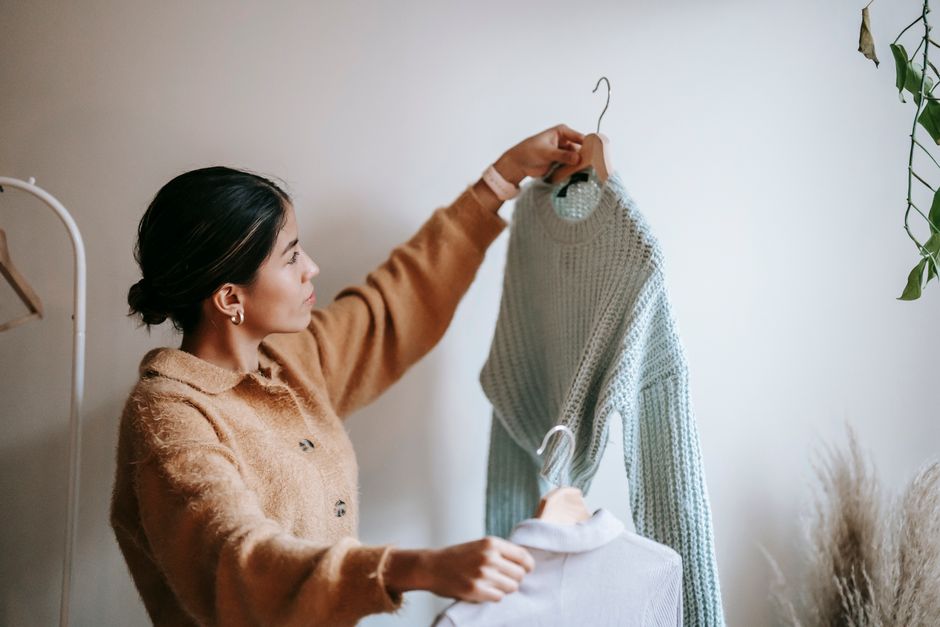
Here’s the thing about cheap sweaters: they pill immediately and lose shape after two washes. Acrylic and polyester blends are the worst offenders. They look fine on the rack and terrible after a month.
If you buy one sweater this year, make it Eileen Fisher’s Organic Cotton Crewneck ($168). Yes, it’s expensive. But Eileen Fisher has a take-back program called Renew that resells or recycles their clothes, and the cotton is substantial enough to last a decade. Cheaper alternative: Quince’s Mongolian Cashmere Crewneck ($59) — it’s thinner than premium cashmere but holds up better than anything else at that price.
Avoid: any sweater with more than 20% acrylic or nylon. It will pill within weeks.
What Most People Get Wrong About Sustainable Fashion
Buying “sustainable” brands is not the goal. Buying less is the goal. The most sustainable garment is the one already in your closet.
I see people throw away perfectly good fast fashion clothes to “start fresh” with ethical brands. That’s worse for the planet than just wearing the old stuff. The carbon footprint of producing new clothes — even “sustainable” ones — is always higher than keeping existing clothes in circulation.
The Three Mistakes I Made (So You Don’t Have To)
- Buying a whole “sustainable capsule” at once. I spent $600 on beige basics that didn’t match my existing clothes. Now I add one item per month max, and only when something wears out.
- Trusting brand marketing without checking. “Conscious” and “green” collections from fast fashion brands are usually greenwashing. H&M’s Conscious line was investigated for misleading claims. Check Good On You instead.
- Ignoring fabric composition. I bought a “sustainable” dress that was 70% viscose and 30% polyester. Viscose can be sustainable, but polyester never is. Read the label every time.
Where to Buy: New vs. Secondhand vs. Rental
| Option | Best For | Cost Range | Real Talk |
|---|---|---|---|
| New from ethical brands | Basics you’ll wear 100+ times | $25-$200 per item | Highest upfront cost, lowest cost-per-wear if you actually wear it |
| Secondhand (thredUP, Poshmark, Depop) | Trend pieces, occasion wear, trying new styles | $10-$60 per item | Best environmental choice, but sizing and quality vary — check measurements |
| Rental (Rent the Runway, Nuuly) | Formal events, work trips, seasonal statements | $50-$150 per month | Good for clothes you’d wear once, bad for daily basics |
My rule: basics come from ethical brands, everything else comes from secondhand. I’ve found Eileen Fisher and Patagonia pieces on thredUP for 70% off retail. Patagonia’s Worn Wear program is the best-kept secret in sustainable fashion — used Patagonia gear with the same lifetime guarantee.
The 7-Day Swap Plan
Don’t overhaul your closet this weekend. Do this instead:
- Day 1: Track what you wear for one week. Note which items you reach for repeatedly.
- Day 2: Identify the 3 most-worn items that are wearing out. Those are your first swaps.
- Day 3: Download Good On You and check the brands you currently buy. You might be surprised.
- Day 4: Set a monthly clothing budget. Mine is $100. It forces me to prioritize.
- Day 5: Buy one item from the list above. Just one.
- Day 6: Try selling or donating 5 items you never wear. thredUP and Poshmark make this easy.
- Day 7: Set a rule for future purchases: no buying anything you won’t wear at least 30 times.
This approach works because it’s boring. No dramatic purge, no expensive haul. Just slow replacement of the things you actually use. Six months in, you’ll have a wardrobe that’s mostly sustainable without feeling like you made any major sacrifices. That’s the whole point.