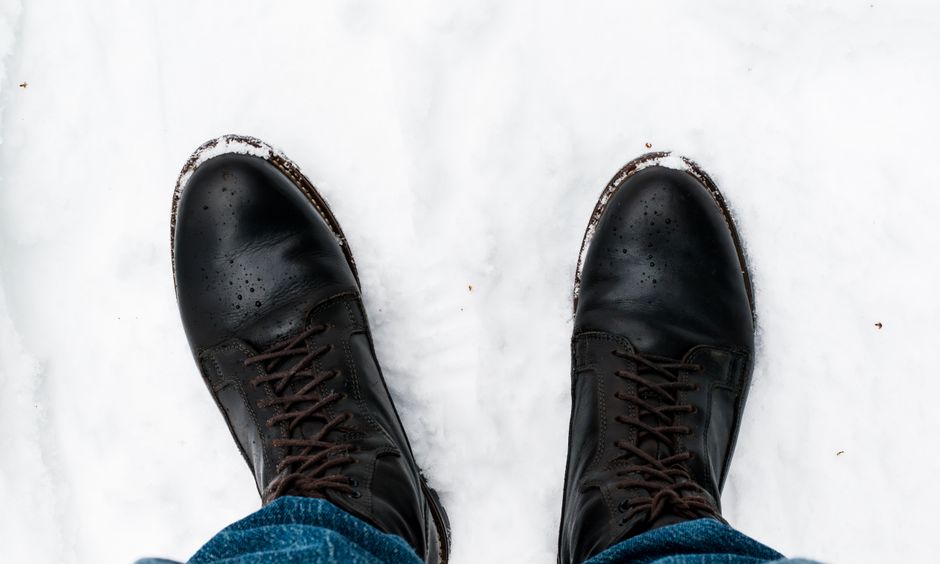
Every winter, millions of people buy boots that look warm but turn their wearers into human hockey pucks the second they hit a patch of black ice. The problem isn’t insulation. It’s the sole. A boot rated to -30°C with a smooth rubber bottom will still send you sliding. Here’s exactly what to look for in 2026 to stay upright and warm.
1. The Sole Is Everything — Ignore the Rest First
Your boot’s grip on ice comes down to two things: the rubber compound and the tread pattern. Most fashion boots use standard rubber that hardens below 7°C, turning into a slippery plastic sheet. You need a compound designed to stay flexible in cold — like Vibram Arctic Grip or the ICEKNOW brand’s proprietary rubber.
Look for these sole features
- Arctic Grip A.T. by Vibram — uses tiny glass fibers embedded in the rubber to bite into ice. Found on The North Face ThermoBall Eco Triclimate and some Merrell models.
- ICEKNOW Ice Grip — a compound that stays soft down to -40°C. Used on their own boots and some Sorel collaboration lines.
- Deep lugs (5mm minimum) with a multi-directional pattern. Straight lines = slip. Chevron or hexagonal patterns = grip.
Test this: press your thumbnail into the sole at room temperature. If it doesn’t dent, it’ll be a brick on ice. If it does, it might work.
2. Temperature Ratings Are Marketing — Here’s the Real Number
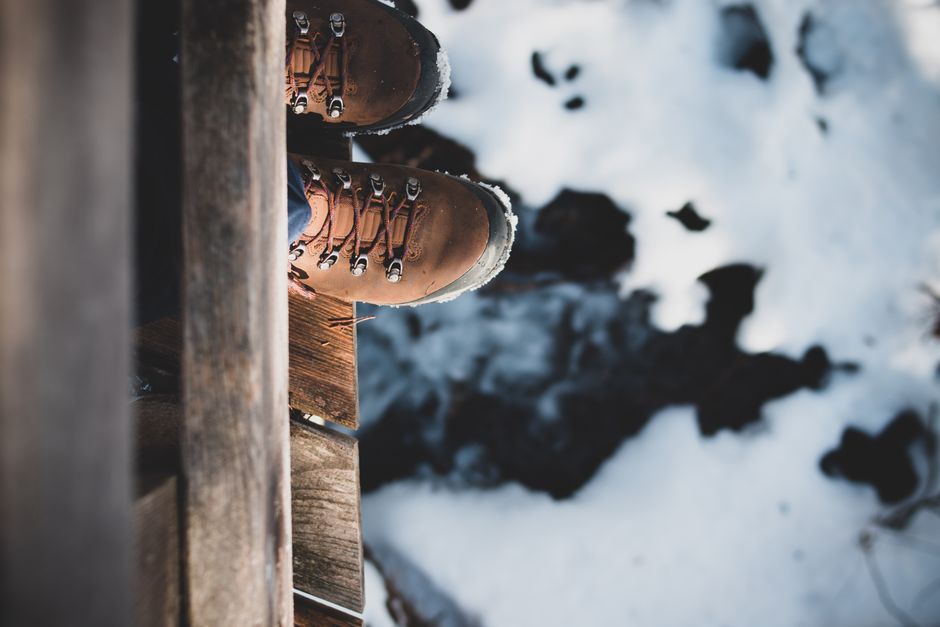
Boots that claim “rated to -40°C” often mean the foam insulation keeps your foot from freezing while standing still. That’s not the same as keeping you safe on ice. The real spec you need is the sole flexibility temperature — the point at which the rubber compound loses its grip. Most brands don’t publish this. So you have to infer it.
Rule of thumb: if the boot costs under $100 and uses a generic rubber sole, assume it fails below -5°C. Brands that test their soles at -20°C or lower include Sorel (the Caribou line uses a proprietary compound), Columbia (their Omni-Grip system), and Baffin (made for polar expeditions).
Quick temperature guide
| Condition | Minimum Sole Requirement | Example Boot |
|---|---|---|
| City sidewalks, occasional ice | Vibram Arctic Grip or equivalent | Timberland White Ledge with Vibram |
| Suburban parking lots, 2-3 ice patches per walk | Deep tread (6mm+) + flexible rubber | Columbia Bugaboot IV Omni-Grip |
| Daily outdoor work on ice (mail carriers, delivery) | ICEKNOW Ice Grip or Baffin Polar rated sole | Baffin Impact |
| Hiking on frozen trails | Vibram Arctic Grip + 7mm lugs | The North Face Chilkat 400 |
3. Insulation vs. Breathability — The Sweat-Freeze Trap
Here’s the mistake most people make: they buy the warmest boot they can find. Then they walk for 20 minutes, sweat, and the moisture freezes inside the boot. Now they’re colder than if they’d worn a thinner boot with a merino wool liner.
Look for boots with 200g to 400g of Thinsulate or equivalent. That’s enough for most winter conditions down to -15°C. Beyond that, you need a removable liner (like Sorel’s felt liner) that you can take out and dry overnight. Fixed foam insulation traps sweat.
When you don’t need heavy insulation
If you’re walking more than 30 minutes at a time, or you’re indoors and outdoors repeatedly, buy a boot with 200g insulation and wear a merino wool sock. The sock manages moisture better than any boot lining. A 400g boot + cotton sock = wet feet. A 200g boot + Darn Vermont merino hiking sock = warm and dry.
4. Ankle Height and Lacing — The Overlooked Safety Feature
Ice doesn’t just make you slip forward. It makes your ankle roll sideways when you land. A boot that’s too short (under 6 inches) offers zero lateral support. You need at least 7 inches of shaft height and a lacing system that locks your heel in place.
Test this: put the boot on and lace it tight. Grab the heel counter (the back of the boot) and try to slide your heel up and down. If it lifts more than 5mm, your ankle will roll on ice. Look for boots with a locking lace eyelet at the top — it lets you cinch the upper tight without crushing your toes.
Brands that do this well: Sorel (the Caribou has a lace lock), The North Face (their winter boots use a D-ring system), and Danner (their winter line uses a speed-lace system with a heel lock).
5. The Waterproofing Lie — Most Boots Aren’t
“Waterproof” on a boot label usually means a membrane (like Gore-Tex or its cheaper cousin) that keeps water out for about 30 minutes of standing in slush. After that, water seeps through the seams or the tongue. For icy conditions, you need a boot with a sealed tongue (gusseted) and a waterproof rating of at least 10,000mm.
Check the boot’s construction: is the tongue attached to the boot on both sides up to the top? If it’s a “bellows tongue” (attached only at the bottom), water will enter through the gap. Sorel’s Caribou uses a fully gusseted tongue. Most fashion boots from Steve Madden or UGG do not.
What to do instead
If you already own a boot that’s not waterproof, buy a tube of Nikwax Waterproofing Wax ($12) and apply it to the leather and seams. It won’t make a mesh boot waterproof, but it will buy you an extra 20 minutes in slush. That’s often enough for a commute.
6. When You Should NOT Buy Winter Boots at All

If your primary concern is walking on ice for less than 10 minutes at a time (from car to office, for example), you’re better off buying ice cleats that slip over your regular shoes. Brands like Yaktrax Pro ($25) or Kahtoola MICROspikes ($70) give you metal spikes that grip ice better than any boot sole ever will. They cost less than a new pair of boots and work with your existing footwear.
Another alternative: buy a pair of insulated rubber overshoes like the Totes Rubber Overshoe ($30). They fit over your dress shoes, provide a full rubber sole with tread, and cost a fraction of winter boots. Not fashionable, but functional.
The tradeoff is comfort. Ice cleats are noisy on concrete and can damage indoor floors. Overshoes look clunky. But if you only need ice protection for 15 minutes a day, they beat buying a $200 boot that you’ll wear 10 times a year.
7. The Two-Boot Strategy
No single boot does everything well. A boot with deep lugs for ice will feel like walking on rocks indoors. A boot with a flat, flexible sole for comfort will slide on ice. The solution: own two pairs.
For daily wear on icy sidewalks, get a boot with Vibram Arctic Grip and 200g insulation — something like the Columbia Bugaboot IV ($130). It’s comfortable for walking, has decent grip on ice, and won’t overheat you indoors.
For heavy ice days (freezing rain, black ice on parking lots), keep a pair of ICEKNOW Ice Grip boots ($180) with 400g insulation and a gusseted tongue. Wear them only when you need maximum grip. They’re heavier and warmer, but they’ll keep you upright when the Bugaboot would slide.
One boot for everything is a compromise that fails in extreme conditions. Two boots cost more upfront but save you from buying a third after you fall and break your wrist.