Most people think business casual in 2026 means the same thing it did in 2019. It doesn’t. The dress code didn’t just relax — it split into two completely different wardrobes. You have the video-call look and the in-office look. They overlap less than you’d expect.
I’ve spent the last year tracking what actually gets worn in hybrid offices. Not what HR manuals say. Not what LinkedIn influencers post. What real people wear on the two or three days they commute. The pattern is clear: the old rules are gone, and a new set of formulas replaced them.
The Split Wardrobe Problem
Hybrid work created a weird problem. You need to look polished on camera from the waist up, but comfortable enough to sit in a home chair for six hours. Then, on office days, you need a full outfit that works for meetings, lunch, and a commute. Buying separate wardrobes for each is expensive and wasteful.
The solution is a modular system. A set of pieces that work for both contexts, mixed differently. This isn’t about minimalism for its own sake. It’s about avoiding the Sunday-night panic of realizing you have nothing to wear on Tuesday’s office day.
The Three-Layer Rule for Camera Days
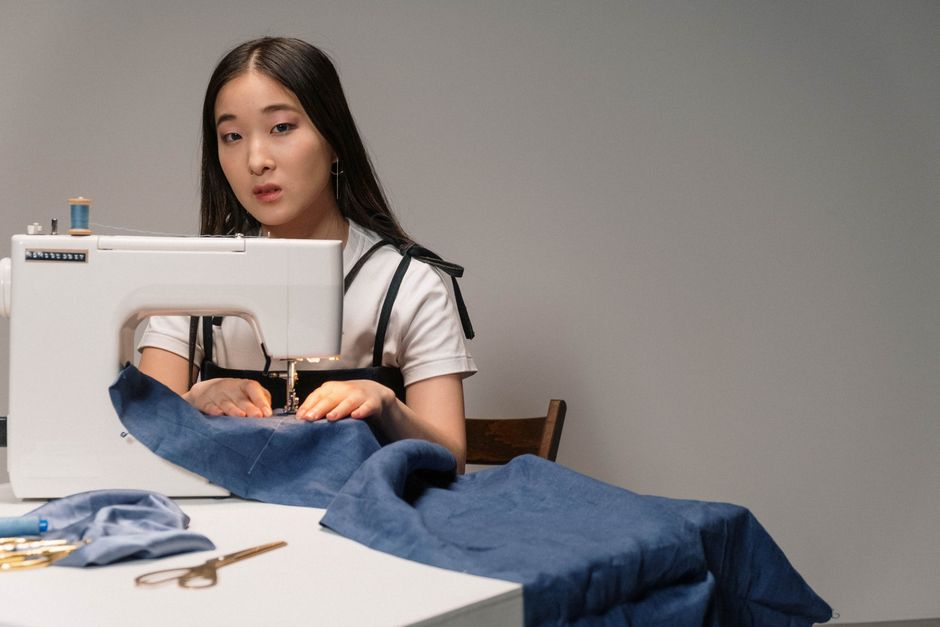
On video calls, your outfit has three visible layers: neckline, shoulder line, and collar or neck detail. That’s it. Nobody sees your pants. Nobody sees your shoes. Spending money on a full outfit for a Zoom call is wasted effort.
Invest in three to four tops with interesting necklines or collars. A Uniqlo Oxford shirt ($39.90) works. So does a Everlane Cashmere Crew ($138) for colder days. The key is that the top reads as intentional, not just present. A plain crewneck t-shirt looks like you just woke up, even if you’ve been working for three hours.
The Commute-Ready Bottom Half
For office days, the bottom half matters again. But not the way it used to. Stiff wool trousers and hard leather shoes are overkill in most 2026 offices. Unless you work in finance or law, you can wear stretch chinos, knit trousers, or even dark denim if the wash is clean and the fit is straight or tapered.
Here’s the mistake I see most often: people wear jeans that are too casual. Light wash, heavy distressing, or a baggy fit reads as weekend wear. Madewell’s 9″ Mid-Rise Skinny Jeans in black ($128) pass in most business casual offices. Everlane’s Performance Chino ($88) is even safer. The fabric has enough structure to look intentional, but enough stretch to survive a 45-minute train ride without feeling like cardboard.
Seven Formulas That Cover 90% of Hybrid Office Days
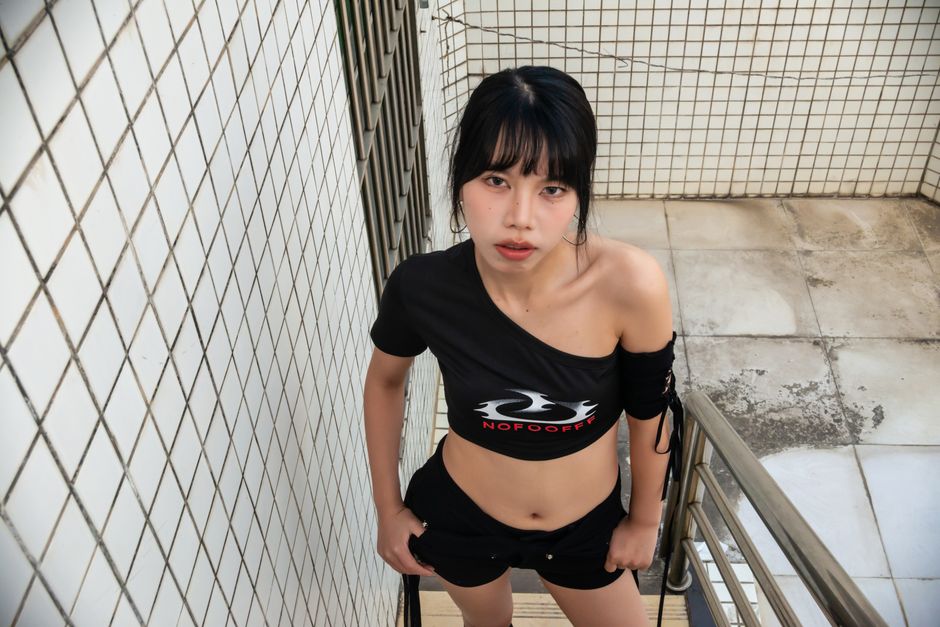
You don’t need 50 pieces. You need seven formulas. Each one is a repeatable combination that works for either camera days or office days, depending on how you adjust the bottom half.
| Formula | Top | Bottom | Footwear | Best For |
|---|---|---|---|---|
| 1. The Knit Polo | Uniqlo Dry Pique Polo ($29.90) | Everlane Performance Chino | Ecco Soft 7 Sneaker ($160) | Creative offices, casual Fridays |
| 2. The Oxford System | Uniqlo Oxford Shirt | Madewell Skinny Jeans (black) | Clarks Desert Boot ($150) | Camera days, client calls |
| 3. The Cashmere Layer | Everlane Cashmere Crew | Any dark trouser | Any | Cold offices, winter months |
| 4. The Knit Blazer | COS Knitted Blazer ($190) | Uniqlo Wide-Fit Trousers ($49.90) | Ecco Soft 7 Sneaker | Presentation days, leadership meetings |
| 5. The Dark Tee + Layer | Everlane Organic Cotton Tee ($30) | Everlane Performance Chino | Clarks Desert Boot | Home workdays, casual office days |
| 6. The Turtleneck | Uniqlo Heattech Turtleneck ($19.90) | Madewell Skinny Jeans | Any | Winter video calls, cold commutes |
| 7. The Shirt Jacket | Everlane Overshirt ($118) | Uniqlo Wide-Fit Trousers | Ecco Soft 7 Sneaker | Transitional weather, casual offices |
These aren’t the only pieces that work. But they’re the ones with the best ratio of cost to versatility. Each top works with at least two bottoms. Each bottom works with at least three tops. That’s the point of a formula system — not fewer clothes, but more combinations per piece.
The Knit Blazer Is the New Suit Jacket
If you buy one thing this year for office days, make it a knit blazer. The COS Knitted Blazer ($190) looks structured enough for a meeting but feels like a cardigan. That’s the entire value proposition. A traditional suit jacket in 2026 reads as overdressed in most hybrid offices. A knit blazer reads as intentional without trying too hard.
I’ve seen this piece save people on days when the dress code is ambiguous. You know the days — someone important is visiting, but nobody said what to wear. A knit blazer over a dark tee and chinos handles that situation better than anything else. It’s the piece that says “I care” without saying “I didn’t get the memo.”
What Actually Fails in Hybrid Offices
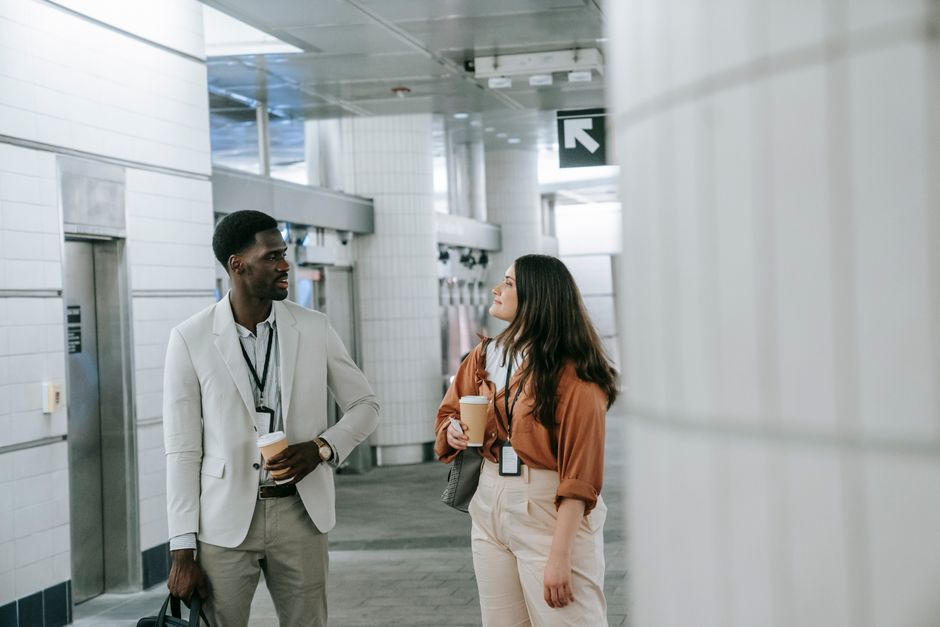
Some things consistently look wrong in 2026 hybrid offices. Here’s what I’d avoid:
- Dress shoes with rubber soles that look like dress shoes. The Clarks Desert Boot works because it’s honest about being casual. A cheap Oxford with a sneaker sole looks confused.
- Anything too tight. Commutes are back. Sitting in a car or train in skinny trousers that pinch is miserable by hour two. The Uniqlo Wide-Fit Trousers ($49.90) solve this without looking sloppy.
- Visible logos. A small polo player is fine. A large brand name across your chest is not. This hasn’t changed since 2015, but people keep making the mistake.
- Wrinkled everything. You don’t need to iron. But a steamer is worth the $30. Wrinkles read as “I slept in this” even when you didn’t.
When NOT to Follow These Formulas
If you work in a formal industry — law, banking, government — ignore most of this. Your dress code didn’t change as much as everyone else’s. You still need suits or at minimum a proper blazer and dress trousers. The formulas above are for the 70% of offices where business casual actually means casual with a collar.
Also, if your office has a written dress code, follow it. Not because it’s right, but because fighting it costs you more than the comfort you’d gain. Some companies still require closed-toe shoes or no denim. Know your rules before you experiment.
The Future of Office Dressing Is Modular
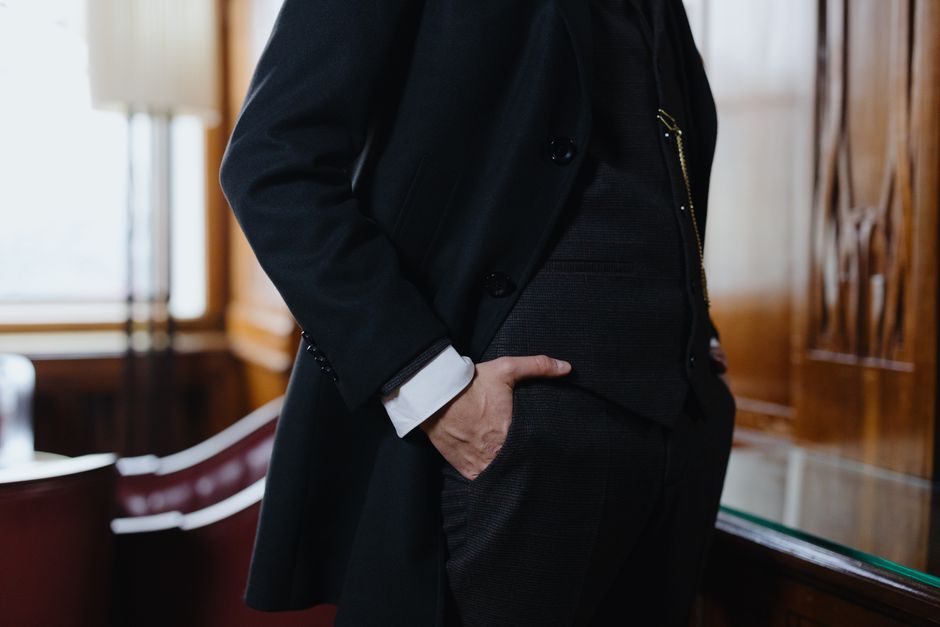
The hybrid dress code will keep evolving. Offices will keep getting more casual, but not infinitely. There’s a floor — a minimum level of intentionality that signals respect for the shared space. The formulas above hit that floor without wasting money on pieces you never wear.
The winners in 2026 are people who build a modular wardrobe: fewer pieces, more combinations, and a clear sense of what each item is for. The losers are people who still buy outfits instead of systems. An outfit is one combination. A system is twenty. Build the system.