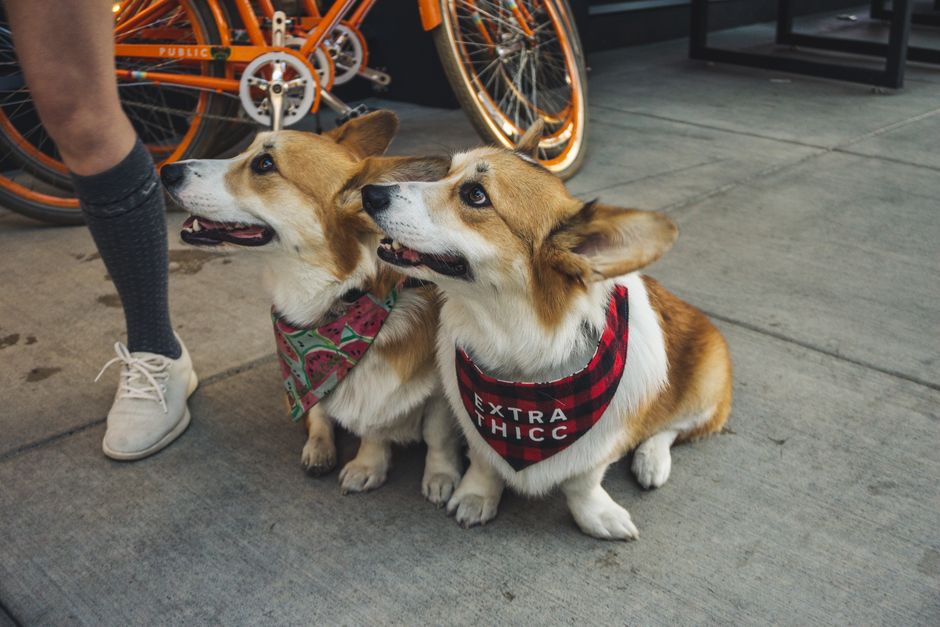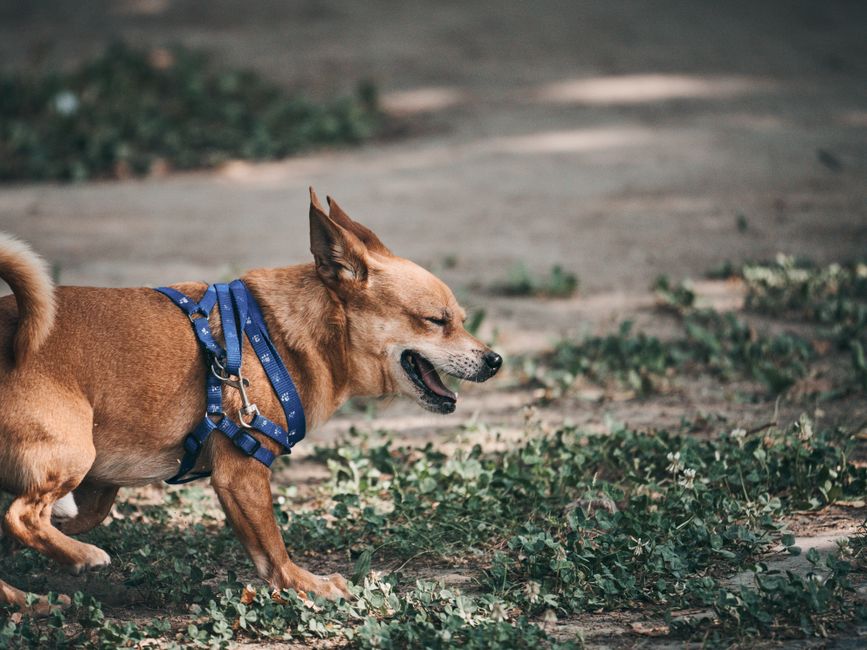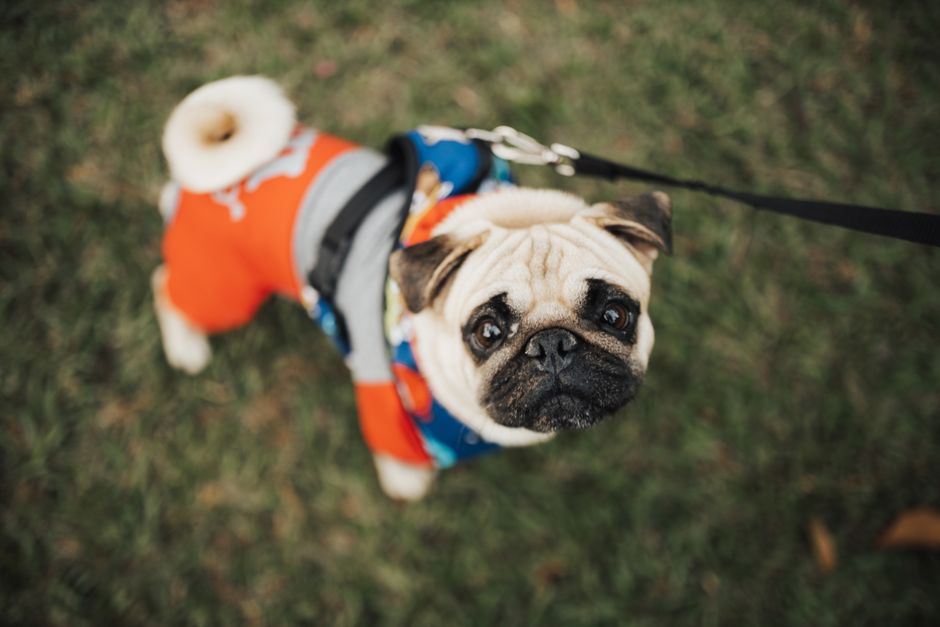
Summer pet outfits should protect your animal from sun, insects, light rain, or irritated skin without turning a ten-minute walk into a heat problem. The winning setup is usually one thin, well-fitted layer, not a full wardrobe.
Which fabric and coverage work for a short outing?
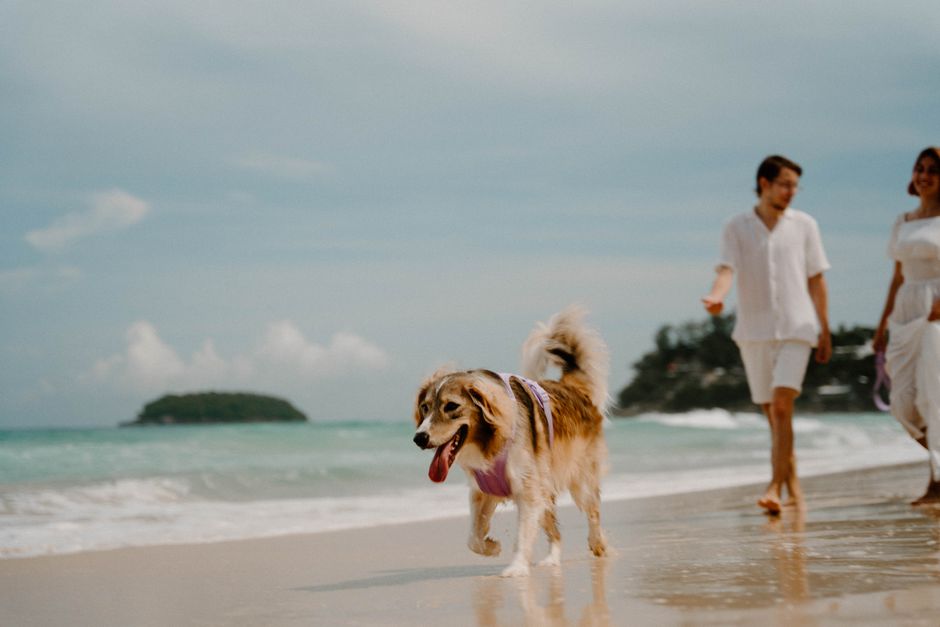
Temperature alone does not tell you what your pet should wear. Sun intensity, humidity, wind, coat density, and walking speed all change the risk. Use the table as a starting point, then watch the animal rather than trusting a product label.
| Outing condition | Best coverage | Material features | Stop the outing when |
|---|---|---|---|
| 15 to 20 minutes in mild morning sun | Back and shoulder coverage | Light knit, mesh panels, loose arm openings | Breathing becomes fast or the pet seeks shade |
| Bright sun with thin or pale fur | UPF shirt covering the back and sides | UPF rating, pale reflective fabric, no heavy lining | Skin feels hot under the shirt |
| Humid weather above 75°F | Minimal chest layer or no clothing | Open mesh, fast drying fabric, low surface area | Wet coat stays against the skin |
| Light rain on a cool summer day | Short rain shell | Water-resistant outer fabric, open belly, easy release | The shell becomes warm or restricts movement |
Why cotton is not an automatic winner
Cotton feels soft when dry, but it can hold moisture after a splash or heavy panting. That wet weight sits against the skin and dries slowly. A lightweight synthetic knit or three-dimensional mesh often works better for a brief outdoor layer because it moves moisture away from the coat and dries faster.
When less coverage is the safer choice
Skip clothing on a hot, humid walk when your pet already has a dense coat and no sun or skin issue to manage. A water break and a shaded route solve more heat than another layer. For most short outings, the clear winner is the garment with the least fabric that still covers the exposed area.
Which named summer layers are worth comparing?
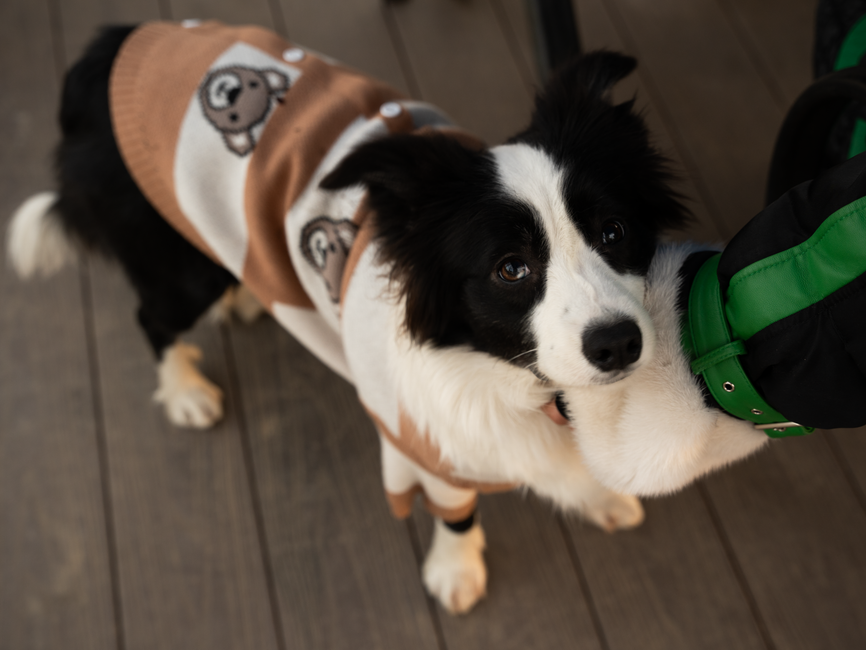
Marketing language gets vague around pet clothing. A label may say cooling, sun-safe, or breathable without telling you how the garment works. These four products show the main tradeoffs: sun coverage, evaporative cooling, wet-weather protection, and quick-dry stretch.
Best for sun and light daily coverage: Goldpaw Sun Shield Tee
The Goldpaw Sun Shield Tee lists UPF 50+ protection, 98% UV blocking, lightweight construction, and the option to add water for evaporative cooling. The strongest use case is a short sunny outing for a pet with thin fur or exposed skin. It is not a substitute for shade, and wetting it in humid weather may leave the coat damp without much cooling benefit.
It needs to be soaked, gently squeezed, and fitted before the walk. That makes it more useful for a planned outdoor trip than a quick dash from the car. The design is expensive, but the limited coverage is sensible for heat management.
Best value cooling option: Canada Pooch Max Chill Cooling Vest
It belongs on the shortlist when you want a dedicated cooling layer below the Hurtta price. Check the care instructions and fit closely because wet cooling products can become heavy or uncomfortable when they sit too low on the chest. For a short outing, this is the clear budget pick, while the Goldpaw is the better pick for dry sun protection.
Do not buy a rain shell as a cooling garment.
Which summer outfit mistakes cause the most trouble?
The most common mistake is treating pet clothing like human summer clothing. A cute cut, pale color, or thin-looking fabric does not prove that an animal can lose heat while wearing it. The safest decision for many hot short outings is no outfit at all.
Failure modes to catch before leaving
- Too much coverage: Full legs, a covered belly, and a high neck create more contact with the coat and more places for heat to build.
- Wrong cooling method: Ice packs placed directly against skin can be painfully cold, while a wet garment can stay heavy in humid air.
- Loose straps: A loose vest can rotate under the front legs, rub the armpits, or catch on shrubs.
- Dark dense fabric: Dark fabric is not automatically unsafe, but a dense black layer in direct sun has a smaller margin for error than a reflective, open fabric.
- Ignoring behavior: Scratching, freezing, trying to back away, drooling, and repeated shade-seeking mean the outfit is failing even if the size chart says it fits.
When not to buy a summer outfit
Do not buy one just for a photo if your pet dislikes handling or already overheats quickly. Do not use clothing to extend a walk that should have ended. A shaved patch, a medical wound, or severe sun sensitivity may need a veterinarian’s plan rather than an off-the-shelf garment. Keep the first test indoors and limit the first outdoor trial to five or ten minutes near home.
Verdict: If the outfit causes resistance, rubbing, dampness, or faster breathing, remove it. The correct alternative may be shade, a shorter route, a portable water bowl, or staying indoors.
What do summer pet outfits really cost?
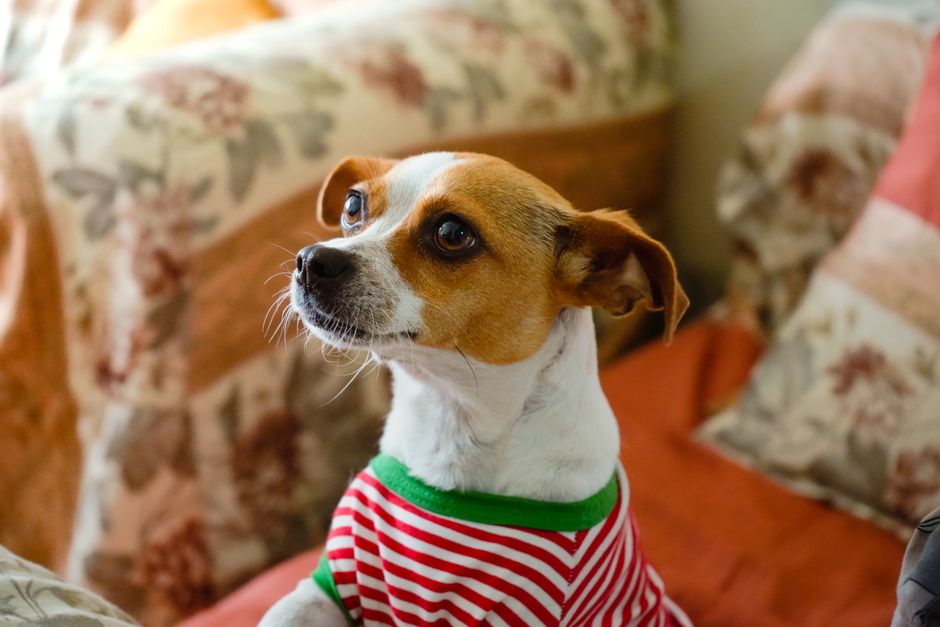
Sticker price is only part of the decision. A garment used twice costs more per outing than a cheaper layer used every week, but a bargain is not a bargain if it causes rubbing or fails after one wash.
Use cost per outing instead of the lowest price
That does not make the wrap a bad purchase; it means the cooling need must be real. If the pet only needs shade for a ten-minute walk, the cheaper and safer choice may be no garment.
Fees can matter more than the product difference
Paying upfront usually means 0% APR and no finance fee. A deferred-payment plan can advertise no interest during a short promotion, then apply a high APR or late fee after the due date. This is not financial advice. The practical point is simple: avoid turning a small pet-clothing purchase into a payment problem.
Bottom Line: The best value is the layer that solves a specific heat, sun, or rain problem and survives repeated washing.
Should a pet wear clothes in hot weather?
Is a breathable shirt safe for a short walk?
It can be, if the shirt fits, the fabric dries quickly, the route has shade, and the pet shows normal breathing and movement. Start with five to ten minutes. A shirt should never be used to justify a longer walk in peak heat. For a pet with pale skin or a thin coat, the Goldpaw Sun Shield Tee is the clearest type of solution because its purpose is sun coverage rather than heavy insulation.
Are cooling vests better than regular shirts?
They are better only when cooling is the actual need. A wet cooling vest may help during a planned outing, but it adds moisture and weight. In humid weather, evaporation slows, so the expected cooling effect can be smaller.
What should the final decision be?
For a normal short outing, choose one light layer or none. Stop immediately for heavy panting, weakness, confusion, vomiting, stumbling, or unusual drooling, and move the pet to a cool place. Clothing is a small tool; water, shade, timing, and route length do more work.
- Dry sun: Goldpaw Sun Shield Tee is the clearest match.
- No specific risk: Skip the outfit and choose shade.