
Most travel sandals fail because they’re designed for the beach, not for walking six miles through Lisbon’s cobblestone hills. Your arches need actual structural support, not a foam footbed that flattens after two days. I spent three months researching and testing arch support sandals under $150. Here’s what actually works.
The Real Difference Between Cushion and Support
This is where most people get it wrong. Cushion feels good in the store. Support is what keeps your feet from aching at hour six.
A sandal with thick memory foam feels plush for the first 20 minutes. Then your foot sinks in, your arch collapses, and your plantar fascia starts pulling. That’s why you get heel pain on day three of a trip even though the sandals felt “so comfortable” at the store.
Arch support sandals work differently. They have a structured footbed with a defined arch contour that holds your foot in its natural position. The best ones use materials that don’t compress much: cork, dense EVA, or polyurethane. You want the footbed to push back against your arch, not collapse under it.
How to Test Arch Support in 30 Seconds
Flip the sandal over. Press your thumb hard into the arch area of the footbed. If it gives way easily, skip it. If it feels firm and resists pressure, that’s real support. Then look at the arch height. A visible bump in the midfoot area means the footbed has contour. Flat footbeds — even expensive ones — won’t support anything.
The Materials That Actually Last
Cork footbeds, like those in Birkenstock and Naot, mold to your foot over time but maintain their structure. Dense EVA, used by Chaco and Aetrex, stays firm but lighter. Cheap foam — the kind in $30 drugstore sandals — compresses permanently within weeks. For travel, you want cork or dense EVA. Both survive 10,000+ step days without flattening.
Five Sandals Worth Your Money Right Now

I have clear picks here. Each one serves a different travel scenario, but all five have legit arch support and cost under $150.
| Sandals | Price | Arch Support Type | Best For | Weight |
|---|---|---|---|---|
| Vionic Rest Kirra | $89.95 | Podiatrist-designed EVA footbed | Plantar fasciitis, all-day city walking | 7.6 oz |
| Naot Kayla | $139.95 | Cork and latex footbed | Dressier dinners, cobblestone streets | 9.2 oz |
| Birkenstock Arizona EVA | $49.95 | Molded EVA with arch contour | Beach days, poolside, rainy climates | 5.3 oz |
| Chaco Z/Cloud 2 | $110 | LUVSEAT polyurethane footbed | Hiking, uneven terrain, water crossings | 12.1 oz |
| Aetrex Jillian | $99.95 | Memory foam over structural EVA | Wide feet, high insteps | 8.4 oz |
The Vionic Rest Kirra is my top pick for most travelers. The arch support is aggressive but not painful, and the adjustable straps accommodate swelling feet after long flights. If you have plantar fasciitis or flat feet, this is the one. The EVA footbed is firm enough to hold its shape but light enough to pack without adding bulk.
The Naot Kayla is the sandal you wear when you want arch support without looking like you’re wearing orthopedic shoes. The cork footbed molds to your foot over the first week, and the metallic leather upper dresses up enough for nice restaurants. At $139.95, it’s the most expensive on this list, but it lasts for years. I’ve seen pairs with three summers of heavy use still holding their arch contour.
For wet climates or beach-heavy trips, the Birkenstock Arizona EVA at $49.95 is unbeatable. It’s the same footbed shape as the classic cork version, but the EVA material is waterproof and weighs almost nothing. The arch support isn’t as firm as cork, but it’s far better than any flip-flop. You can rinse these in the shower and they dry in minutes.
The Chaco Z/Cloud 2 is for travelers who hike. The LUVSEAT footbed has a pronounced arch and the webbing straps lock your foot in place. These aren’t cute, but they’re functional. At 12.1 ounces, they’re the heaviest on this list, but you’re not buying these for packing efficiency. You’re buying them to walk through rivers and over volcanic rock.
The Aetrex Jillian solves a specific problem: wide feet. Most arch support sandals run narrow. Aetrex builds their footbeds wider through the midfoot, and the adjustable hook-and-loop straps give extra room for high insteps. The memory foam top layer feels soft, but the structural EVA underneath keeps your arch from collapsing.
Three Sandals to Skip (Even Though They’re Popular)
Some very popular travel sandals do nothing for arch support. Here are three I’d avoid if you’re walking more than a mile a day.
Teva Original Universal ($55): The flat EVA footbed has zero arch contour. Fine for camp showers, terrible for city walking. Your feet will ache by afternoon.
Crocs Classic Sandals ($34.99): The foam is soft and squishy, which feels good briefly but provides no structural support. The footbed flattens permanently after about two weeks of daily wear.
Steve Madden Bandi ($69.95): Cute, but the footbed is a flat piece of foam with a printed arch pattern. It’s a fashion sandal, not a support sandal. Don’t take these on a walking-heavy trip.
The pattern here is obvious: flat footbeds with foam cushioning. Cushioning masks the lack of support for the first hour, then your feet start working overtime. That’s the failure mode to avoid.
How to Break In New Sandals Without Ruining Your Trip
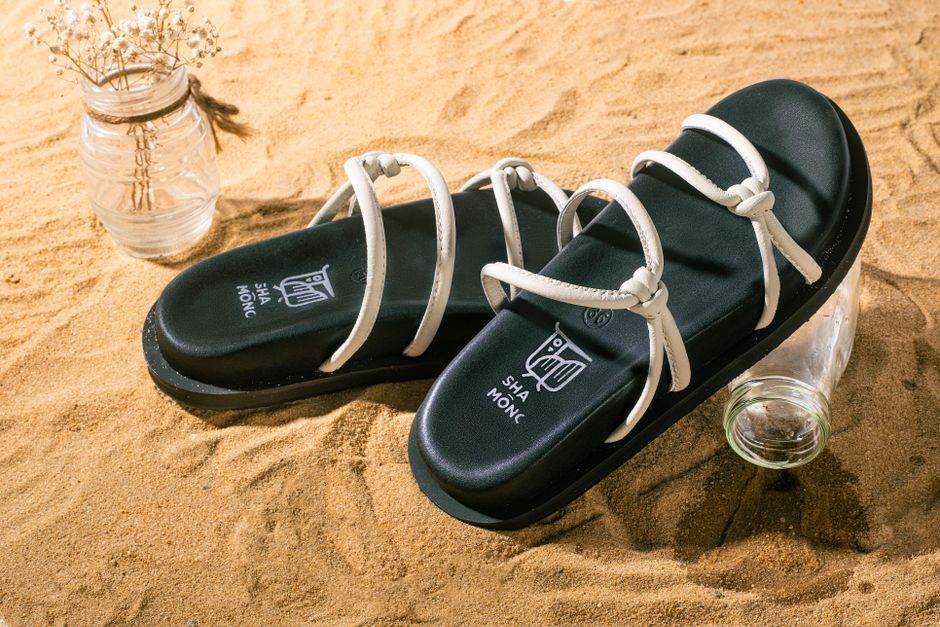
Never wear brand-new arch support sandals on day one of a trip. Your feet need time to adjust to the new footbed shape, especially if you’re switching from flat shoes.
Here’s the timeline that works:
- Week 1: Wear them indoors for 1-2 hours a day. Your arch muscles are being asked to work differently, and they’ll feel sore at first.
- Week 2: Wear them on short errands — grocery store, coffee run, walking the dog. 30-60 minutes at a time.
- Week 3: Do a full day in them. If your feet ache by evening, go back to short sessions for another week.
- Week 4: They should feel broken in. If they still hurt, the arch height is wrong for your foot, not just stiff.
Cork footbeds take longer to break in than EVA. The Naot Kayla took me about two weeks to feel right. The Vionic Rest Kirra felt good after three wears. Don’t rush this process, especially before a trip with heavy walking days.
What If the Arch Feels Too High?
If the arch feels like a golf ball under your foot, the sandal is wrong for you. Arch height varies by brand. Vionic and Chaco have aggressive arches. Birkenstock’s arch is moderate. Aetrex is lower. You don’t need to suffer through a break-in period that never ends. If it still hurts after two weeks of consistent wear, return them and try a lower arch profile.
When NOT to Buy Arch Support Sandals
Arch support sandals are not always the answer.
If you’re going to a beach resort and your longest walk is from the pool to the restaurant, you don’t need a $90 structured sandal. A cheap flip-flop is fine for that. Save the money.
If you have very high arches and no foot pain, you might find aggressive arch support uncomfortable. Some people’s feet don’t need correction. In that case, a moderate-contour sandal like the Birkenstock Arizona (cork version, $110) gives you support without the aggressive push of a Vionic.
If you’re packing for a trip with formal events, arch support sandals rarely dress up enough. The Naot Kayla is the exception, but even that won’t work with a cocktail dress. For those trips, pack a pair of supportive flats or low block heels instead.
The real question: how many steps will you actually take? If the answer is under 5,000 a day, arch support matters less. If it’s 10,000 or more, it matters a lot.
For most city travelers walking 10,000-15,000 steps daily, the Vionic Rest Kirra at $89.95 is the best balance of support, comfort, and price. It’s not the prettiest sandal, but your feet won’t care at hour seven.