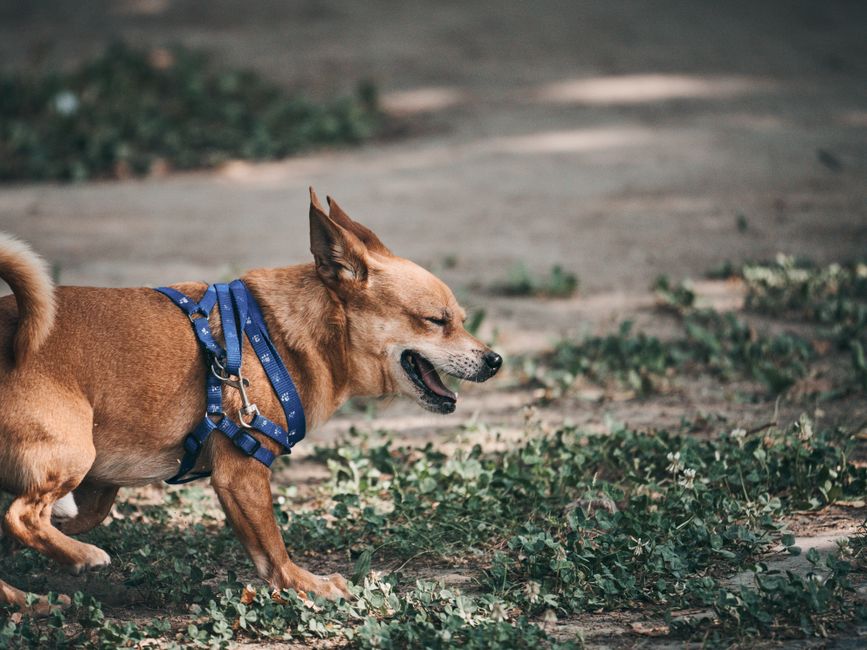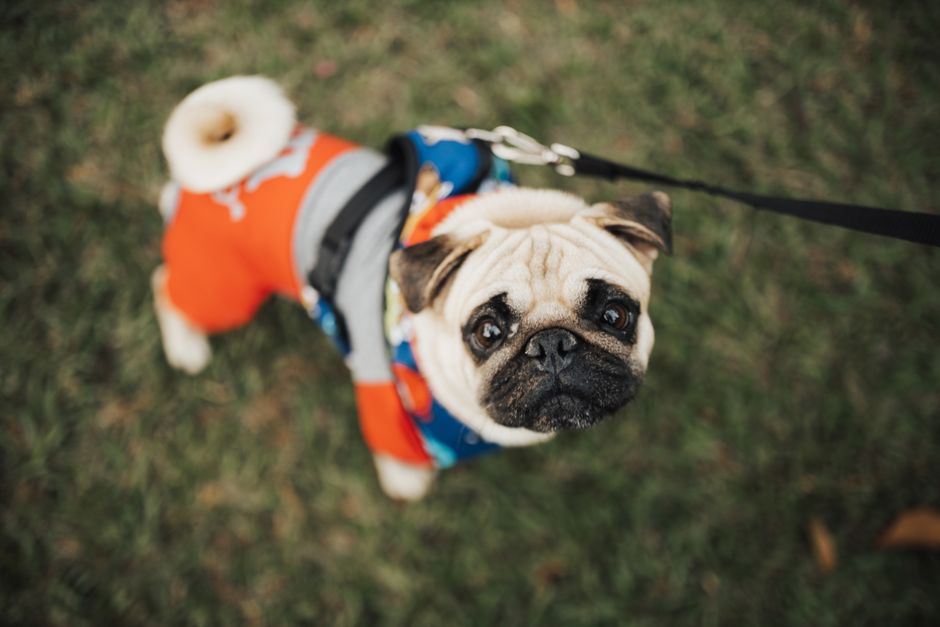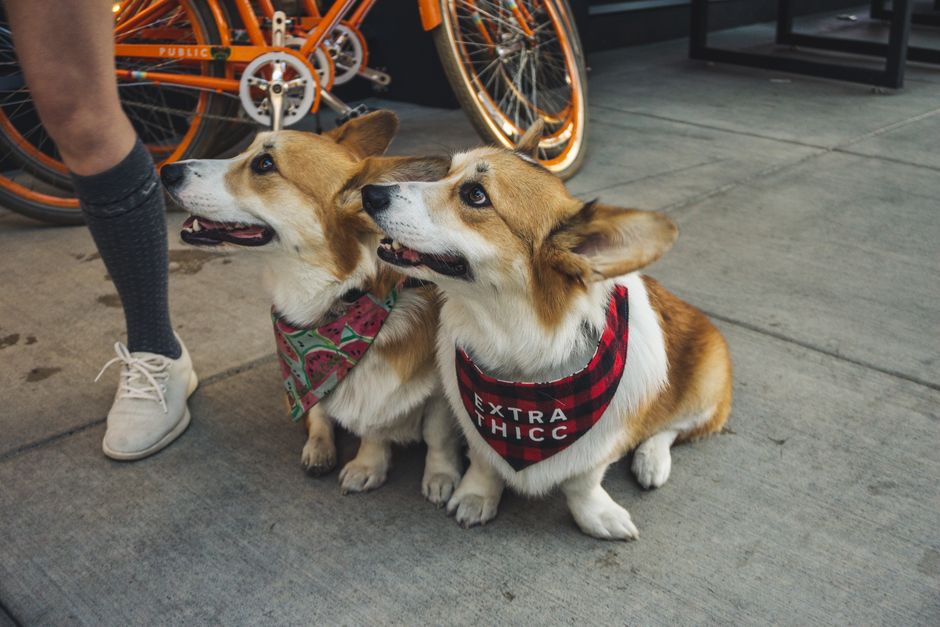
Your dog leaves the house looking sharp, then returns with the bandana twisted under one ear after the first block. The problem usually is not the fabric. It is the fit, knot position, collar movement, or a triangular shape that catches on branches and leash hardware. A lightweight dog bandana can stay centered on a walk, but only when you match the construction to your dog’s neck and walking style.
Which lightweight dog bandanas hold their position best?
Verdict: for a calm dog on short neighborhood walks, a thin tie-on bandana offers the lightest and most comfortable fit. For a dog that pulls, shakes, rolls, or spends time in brush, a collar-attached or harness-compatible design is the safer choice because a knot alone can loosen.
These prices are useful for comparing construction, not for predicting long-term value.
Choose weight before decoration
Thin cotton or light polyester creates less drag than layered fabric, metal charms, large patches, or thick faux-leather labels. The pointed section should rest on the chest without reaching the front legs. If the point brushes the ground, catches on a leash, or becomes wet with every drink, the design is too large for active walks.
Pick a clear winner for your walking routine
The Foggy Dog is the strongest choice for a calm dog whose owner wants soft cotton and clear neck sizing. The Frisco Go Sports bandana wins on price, but its tie-only design needs more frequent checks. For energetic dogs, neither a low knot nor a loose triangle deserves automatic trust; choose a bandana that works with the collar or harness.
How should you measure a dog for a secure bandana?
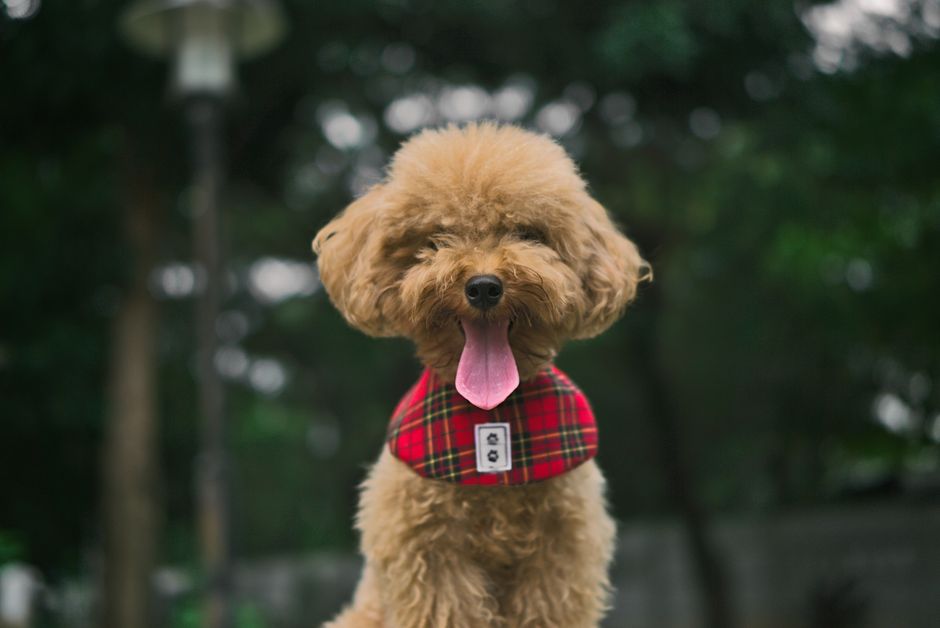
Verdict: measure the neck where the bandana will sit, not the widest part of the head and not the collar’s stated size. Place a soft tape around the middle of the neck, keep it flat against the coat, and add room for two fingers; if the fabric leaves no room to slide two fingers under it, the fit is too tight for a walk.
Measure twice: once with the coat lying naturally and once after gently lifting long fur away from the skin. Record the larger number. A fluffy coat can compress outdoors, while a wet coat can become heavier and change the way a tied triangle sits. If the measurement falls between sizes, choose the larger size only when the bandana can be folded or rolled without creating a loose, dangling point.
Check the collar and leash together before leaving. The bandana should not cover identification tags, press against the trachea, block a harness strap, or sit under the leash clip. Put it on indoors for five minutes, then walk across the room, ask for a sit, and let the dog turn both directions. If the knot slides toward the throat, retie it behind the side of the neck or select a different construction.
Fit is also a breathing test. The dog should pant, swallow, sniff, and turn the head normally. A bandana is decorative clothing, not a restraint, so never attach the leash to its fabric. Remove it during crate time, unsupervised yard time, rough play, and sleep.
Why do dog bandanas slip, twist, or come off during walks?
My recommendation is simple: treat “stays put” as a retention problem, not a fabric problem. A bandana moves when the neck changes shape, the knot is pulled by the point, or the collar and accessory compete for the same space. The most reliable fix is a stable anchor plus a short, light triangle.
Knots loosen when the fabric is too smooth
Silky fabric can look polished but may slide against itself after repeated head turns. Cotton with a little texture usually grips better, while a double knot reduces movement. Do not tighten the knot until the fabric pinches the skin. Tie it snug enough to hold the triangle in place, then check the two-finger gap again. A knot that feels secure in the kitchen can become tight when the dog pants on a warm walk, so comfort matters more than visual symmetry.
Collars and harnesses create competing pressure
A bandana placed under a collar may bunch at the back of the neck. Placed over the collar, it can hide tags or change how the collar sits. A harness adds another source of movement across the shoulders, especially on dogs with narrow necks and deep chests. Keep the bandana above the harness line, or use a design with a collar sleeve that lets the collar pass through the fabric. The fabric should never sit beneath the leash clip where repeated tension can pull it sideways.
Common failure modes deserve a pre-walk test
- Oversizing: the pointed end reaches the forelegs, collects water, and swings into the leash.
- Undersizing: the knot sits too close to the throat and leaves no room for natural panting.
- Wet fabric: a soaked cotton triangle becomes heavier and pulls the knot downward.
- Long fur: the bandana looks tight on the surface but is loose against the actual neck.
- Rough play: rolling, wrestling, and scratching create forces that ordinary tie-on styles cannot handle.
Run a ten-minute test on a quiet route before using a new bandana on a crowded trail. Check it at the five-minute mark and again at the end. If it rotates more than a quarter turn, slides toward the throat, or needs retightening, the construction is wrong for that activity.
When should you skip a tie-on bandana?
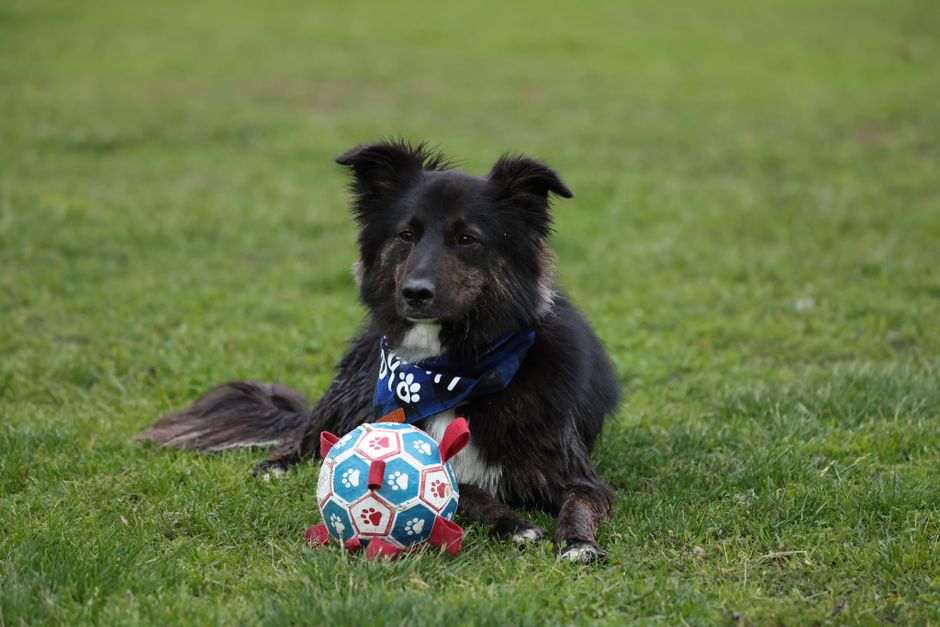
Skip a traditional tie-on bandana when your dog is active, reactive, or likely to catch the fabric on the environment. A collar sleeve, harness-mounted neckerchief, or no neck accessory at all can provide a better risk profile than a loose triangle that repeatedly shifts.
- Choose a collar sleeve for steady walks. This design spreads movement along the collar instead of asking one knot to hold the entire bandana. It is a strong option for dogs that turn their heads often or pull lightly.
- Choose a harness-mounted style for dogs that pull. The harness gives the accessory a wider anchor, but inspect the placement so the fabric does not rub behind the front legs or interfere with buckles.
- Choose no bandana for brush, water, or rough play. Wet cotton becomes heavier, and a pointed corner can snag on low branches. A clean, uncovered coat is the correct choice for these walks.
- Choose a smaller triangle for warm weather. A bandana should not cover a large area of the chest when the dog is panting in heat. Light fabric helps, but surface area still affects comfort.
- Choose a grooming bib at home, not on the trail. A bib can protect the coat from food or drool, but it is not a secure walking accessory and should not replace a properly fitted collar or harness.
The mistake is treating style as the primary requirement. A bandana earns its place on a walk only when it stays clear of the airway, leash hardware, legs, and identification tags. If it fails any of those checks, the right purchase is a different attachment system or no bandana.
Can a lightweight dog bandana stay on for a full walk?
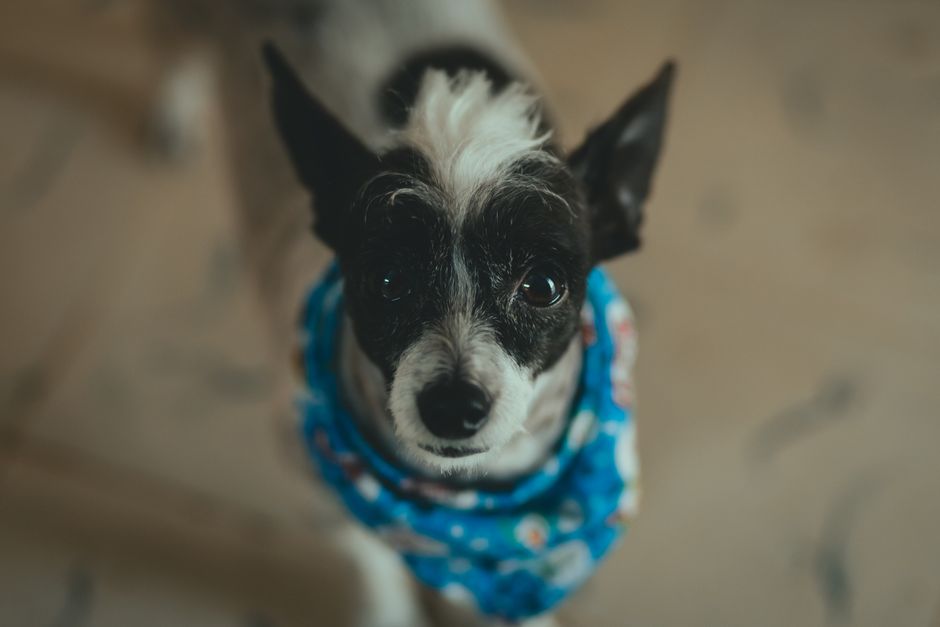
Yes, but only after a controlled fit test and only for the activity it can handle. A calm dog on a 20-minute pavement walk presents a different challenge from a dog sprinting through a field, so the same accessory should not be treated as universal walking gear.
What is the safest knot position?
Place the knot on the side or upper back of the neck rather than directly over the throat. Keep the pointed fabric centered on the chest, then turn the dog’s head left and right. If the knot moves toward the airway or the point swings under the chin, loosen the triangle and retie it higher.
How often should you check the fit?
Check a new bandana after five minutes, again halfway through the walk, and whenever the dog shakes, rolls, drinks, or changes from a loose leash to a pulling gait. Inspect the skin after removal. Red marks, damp mats, broken hairs, or repeated scratching show that the accessory is causing friction.
What is the final buying rule?
For short, calm walks, choose the lightest fabric that fits the measured neck and keeps the point above the front legs. For active walks, choose a collar- or harness-attached alternative. The category is moving toward lighter fabrics, better size charts, and attachment systems that treat comfort and retention as equal design goals; that is the direction worth watching as dog fashion becomes more practical.